Summarize with:
read in < 1 min


Renewable energy for data centers is no longer optional as facilities consume more power than ever. This guide explains why clean energy matters, compares buying renewable power versus generating it on-site, and covers the challenges of adoption.
The key to understanding the growing energy demand of data centers is recognizing that overall demand is rising.
For example, the Internet of Things (IoT) has increased the volume of data they process. The adoption of artificial intelligence (AI) is increasing the processing load. The expansion of time-critical applications and services is requiring data centers to process data at ever faster speeds.
This means that data center facilities typically require more energy than ever to operate even though they have become significantly more energy-efficient over recent years. Current trends suggest this pattern is likely to continue for the foreseeable future. That being so, it’s vital that data centers use clean, sustainable energy as much as possible.
For modern data center operators, the key question is not whether or not they should use renewable energy but how they can integrate renewable energy into their operations. Renewable energy powers 30% of global data center electricity consumption, with a target to reach 100% by 2030 in leading markets. At a high level, there are two main options. These are buying renewable energy from providers and generating renewable energy on-site.
The option to buy renewable energy is available to most, if not all, data center operators. Moreover, it is usually very straightforward to go down this route.
All data centers have contracts to purchase electricity. These contracts need to be periodically updated. This means that data center operators can simply integrate (more) renewable energy into their operations as they update their contracts.
The option to generate renewable energy on-site is not available to all data centers. Moreover, where it is available, it can be complex and involve high upfront costs.
This option does, however, offer the prospect of a significant return on investment. By making data centers less reliant on purchased electricity, it increases their resilience and lowers their running costs.
Currently, the main renewable energy options are solar, wind, hydro, and geothermal energy. Here is a quick overview of each of these options and what they can mean for data centers.
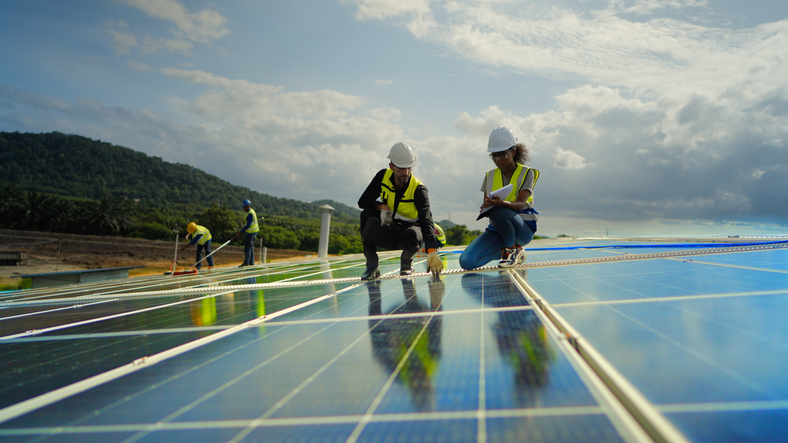
Solar energy for data centers involves the installation of photovoltaic (PV) solar panels to capture sunlight and convert it into electricity. Smaller data centers may simply put panels on their roofs or in adjacent areas. Larger ones may implement large-scale solar farms.
Although solar energy can only be generated in the daytime, solar power systems can be integrated with battery storage systems. This makes it possible to store excess energy generated during the day for use at night or during cloudy periods.
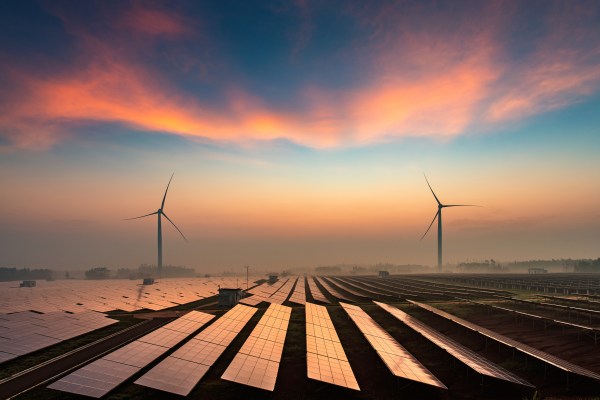
Wind energy can be harnessed by installing on-site wind turbines, particularly effective in regions with consistent and strong wind patterns. These turbines convert kinetic energy from the wind into electricity, providing a renewable power source for data centers.
To address intermittency, wind energy can be combined with energy storage solutions or hybrid systems, integrating wind power with other renewable sources like solar to maintain a stable energy supply.
Hydro energy for data centers can be obtained by situating facilities near hydroelectric plants, where the flow of water generates electricity. This method offers a consistent and reliable power source, crucial for data center operations. Small-scale hydropower systems can also be utilized, harnessing energy from nearby rivers or streams.
These systems convert the kinetic energy of flowing water into electrical energy. Additionally, hydroelectric power can be combined with pumped-storage systems. These store energy by pumping water to a higher elevation during low-demand periods and releasing it to generate electricity during peak-demand times.
Traditional geothermal power plants are typically located in areas with geothermal hotspots, where the Earth’s heat is closer to the surface. These plants drill wells to access reservoirs of hot water and steam situated several miles underground. The steam extracted from these wells is used to drive turbines connected to electricity generators, producing a steady flow of electricity.
Enhanced geothermal systems (EGS) are an innovative technology that extends the potential of geothermal energy beyond naturally occurring geothermal hotspots. EGS involves injecting water into deep underground hot rocks that lack sufficient permeability or water content. The injected water is heated by the rocks and returns to the surface as steam, which can then be used to generate electricity.

Sign Up For Our Resource Library
Enjoying our resource? Get the latest news and articles delivered straight to your inbox.
Can’t see the form? Click here.
Share Article
Popular Categories
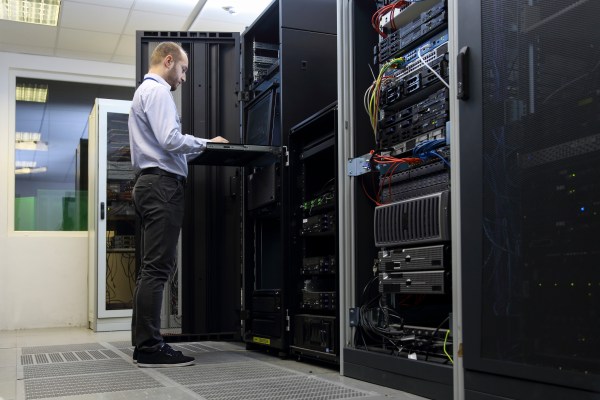
Learn about how colocation vendors are working to make their facilities more eco-friendly through green initiatives such as sustainable colocation power management. Find out what this means for the future of the industry and its role in supporting developments such as hybrid IT.
(Originally published in Data Center Frontier magazine) By: Jenny Gerson, senior director of sustainability, DataBank There’s a lot of confusion about renewable energy use in the data center, what electricity...
Global Initiative Unites Digital Infrastructure Leaders in Historic Climate Agreement
Discover the DataBank Difference today:
Hybrid infrastructure solutions with boundless edge reach and a human touch.
Tell us about your infrastructure requirements and how to reach you, and one of our team members will be in touch shortly.
Can’t see the form? Click here.
Let us know which data center you'd like to visit and how to reach you, and one of our team members will be in touch shortly.
Please understand that we might not be able to accommodate every request for a physical data center tour.
Please allow a minimum of 24-48 hours for a response.
Can’t see the form? Click here.
Enjoying our resource? Get the latest news and articles delivered straight to your inbox.
Can’t see the form? Click here.
Can’t see the form? Click here.