Summarize with:
read in < 1 min


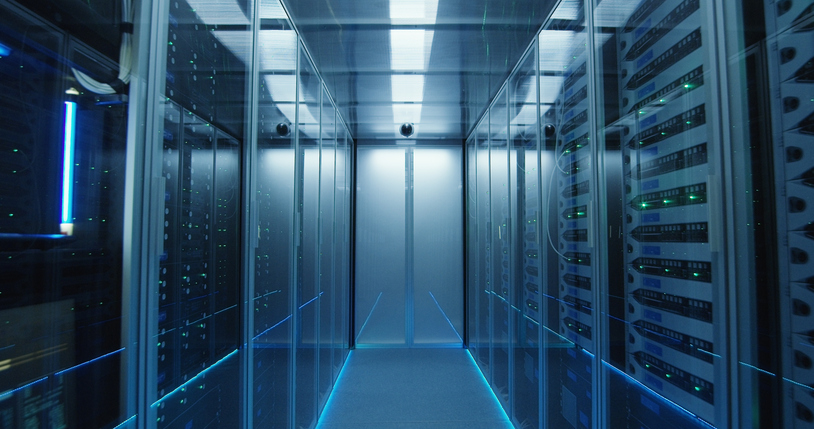
Multi-tenant data centers (also often known as colocation data centers) have become popular for many good reasons. With that in mind, here is an overview of the benefits of multi-tenant data centers in Denver.
A multi-tenant data center is a facility that provides computing, storage, and networking resources to multiple organizations or customers within a shared infrastructure.
These data centers are designed to maximize efficiency, scalability, and cost-effectiveness by allowing multiple tenants to operate within a single facility while maintaining strict security and isolation measures.
They are commonly used by enterprises, cloud service providers, and colocation customers looking for reliable infrastructure without the expense of building and maintaining a private data center.
Here are 7 key features of multi-tenant data centers.
Shared infrastructure: Resources such as power, cooling, and networking are distributed among multiple tenants, optimizing costs and efficiency.
Security through isolation: Physical and virtual security controls ensure tenant data and operations remain isolated and, therefore, benefit from maximum security. These controls include firewalls, VLAN segmentation, and access controls with authentication.
Compliance certifications: Data centers adhere to industry standards such as ISO 27001, SOC 2, and HIPAA to ensure regulatory compliance.
Scalability: Tenants can scale their resources up or down based on demand without investing in additional infrastructure.
Extensive redundancy: Features like redundant power supplies, backup generators, and failover mechanisms ensure high availability.
Interconnectivity: Tenants can leverage direct connections to cloud providers, ISPs, and business partners for better performance and reliability.
Cost efficiency: No upfront costs and consumption-based operational expenses make multi-tenant facilities more cost-effective than private data centers.
One of the main selling points of multi-tenant data centers is that they are highly cost-effective solutions. Here are 10 of the ways that they help businesses make the most of their budget.
Shared infrastructure: Multi-tenant data centers distribute essential resources like power, cooling, and networking across multiple tenants. This eliminates the need for businesses to invest in expensive infrastructure, significantly reducing both capital expenditures (CapEx) and operational expenditures (OpEx).
Economies of scale: By purchasing hardware, bandwidth, and power in bulk, data centers achieve cost savings that are passed on to tenants. This ensures high performance at a lower cost per unit of resource, making enterprise-grade infrastructure more accessible to businesses of all sizes.
Consumption-based pricing: Unlike traditional data centers, multi-tenant facilities have few to no upfront costs. Their ongoing costs are based on consumption. Moreover, data center providers generally offer a range of pricing options, including subscription-based and on-demand options for maximum flexibility.
Reduced maintenance costs: Data center operators handle all hardware maintenance, security updates, and system upgrades. This eliminates the need for tenants to maintain an in-house IT team for infrastructure management, reducing labor costs and operational complexity.
Energy efficiency: Modern multi-tenant data centers utilize advanced cooling techniques, optimized power distribution, and energy-efficient hardware to minimize electricity consumption. This reduces environmental impact while lowering energy costs for tenants.
Redundant systems: Redundant power supplies, backup generators, and failover networking ensure continuous uptime. This prevents costly business interruptions due to power outages, hardware failures, or natural disasters.
Interconnectivity and peering: Direct access to multiple internet service providers (ISPs), cloud platforms, and network carriers improves performance while reducing data transfer and latency costs, enhancing business efficiency.
Compliance and security: Data centers adhere to stringent regulations such as ISO 27001, SOC 2, and HIPAA, ensuring data protection and legal compliance. This reduces the risk of fines, security breaches, and reputational damage.
Scalability: Businesses can scale resources up or down as needed without making costly infrastructure investments. This flexibility supports growth while controlling expenses.
Disaster recovery and backup services: Many multi-tenant data centers offer built-in disaster recovery and automated backup solutions, reducing the need for businesses to invest in separate backup infrastructure while ensuring data resilience.
Here are the five main advantages of multi-tenant data centers in Denver.
Denver’s central position in the U.S. makes it an excellent hub for data distribution across the Mountain West, Southwest, and Midwest regions. This reduces latency and improves connectivity for businesses serving a national customer base.
Denver has a very low risk of natural disasters. In particular, it is extremely unusual for it to experience hurricanes, earthquakes, or major flooding. This makes it a safer location for critical infrastructure, apps, and data.
Denver is a major fiber network hub with direct connections to national and international markets. Businesses benefit from low-latency links to cloud providers, ISPs, and edge computing services.
Colorado has a strong commitment to clean energy, with increasing investments in wind and solar power. Multi-tenant data centers in Denver can utilize renewable energy sources, reducing operational costs and supporting sustainability goals.
Denver’s relatively cool and dry climate allows for more efficient data center cooling, reducing energy consumption and lowering costs compared to facilities in hotter regions.

Sign Up For Our Resource Library
Enjoying our resource? Get the latest news and articles delivered straight to your inbox.
Can’t see the form? Click here.
Share Article
Popular Categories

The factors affecting the cost of colocation in Denver are much the same as the factors affecting the cost of colocation in other cities. Here is a quick overview of them, along with Denver-specific considerations.
Explore the top reasons why businesses choose colocation. Discover benefits for startups, SMBs, medium-sized businesses, and enterprises.

For customers requiring a wide range of fast connectivity options in Denver, DataBank has key interconnection points at our carrier hotel data center in downtown Denver. Deploying your technology in a carrier hotel data enables you to speed your time-to-market for new services, reduce latency, scale your applications without switching data centers, and lower your carrier costs.
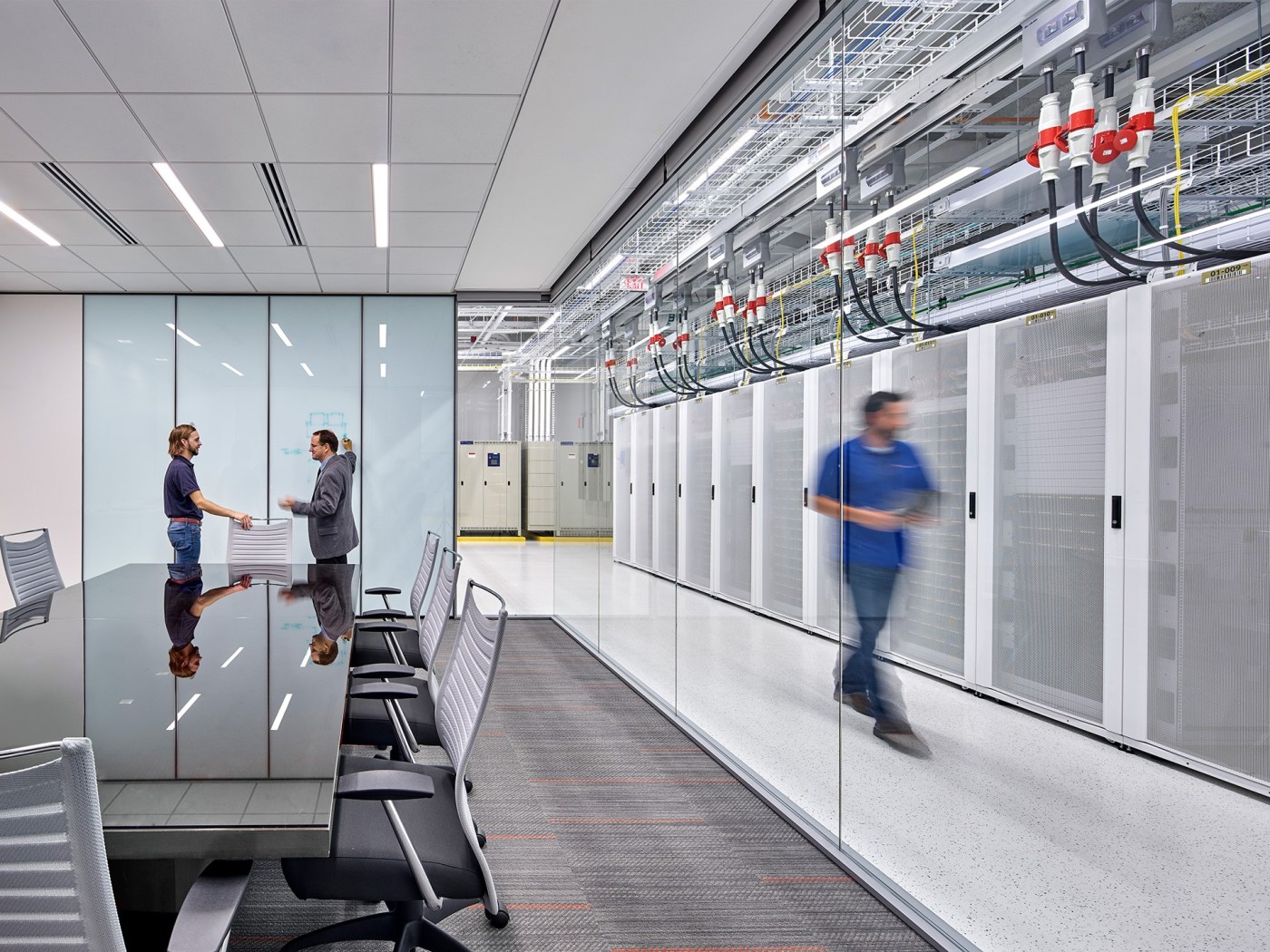
Discover the DataBank Difference today:
Hybrid infrastructure solutions with boundless edge reach and a human touch.
Tell us about your infrastructure requirements and how to reach you, and one of our team members will be in touch shortly.
Can’t see the form? Click here.
Let us know which data center you'd like to visit and how to reach you, and one of our team members will be in touch shortly.
Can’t see the form? Click here.
Enjoying our resource? Get the latest news and articles delivered straight to your inbox.
Can’t see the form? Click here.
Can’t see the form? Click here.