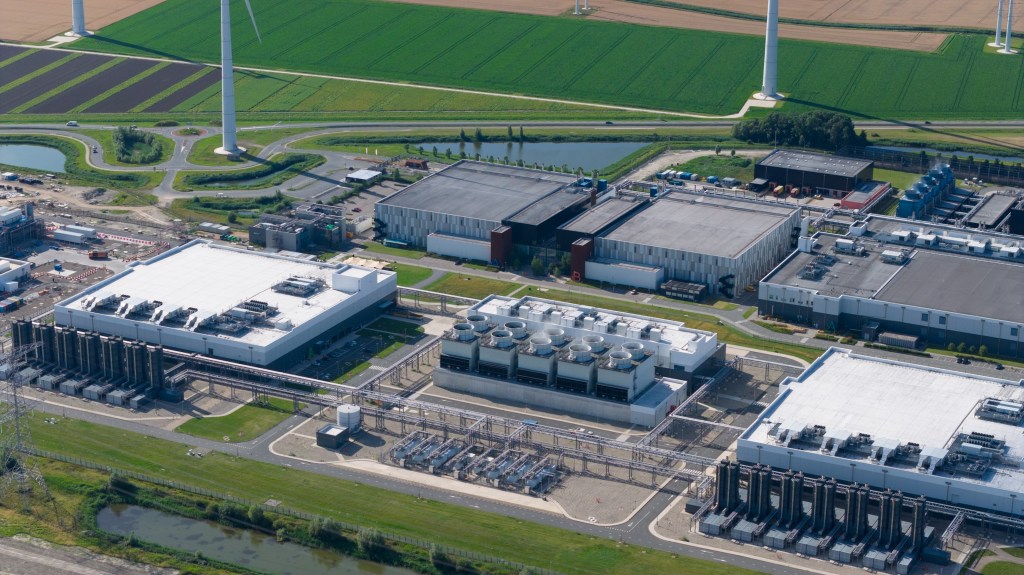
Data centers have evolved from small server rooms to AI-era utilities powering global digital infrastructure, with capacity needs exploding from 2 MW deployments a decade ago to modern hyperscale projects exceeding 90 MW. In this article, DataBank CEO Raul Martynek discusses how the industry is managing this unprecedented transformation.
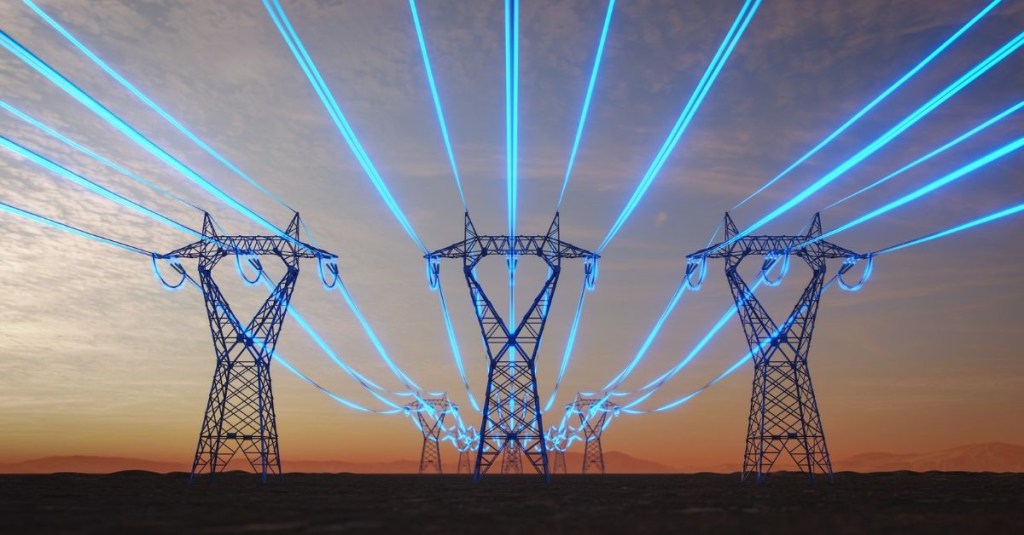
AI workloads consume 5-10 times more power than traditional CPUs while creating volatile demand patterns with sudden spikes and frequency fluctuations that stress electrical grids. Construction costs have surged to $11-13 million per MW, [https://www.databank.com/resources/blogs/what-it-takes-to-build-the-infrastructure-building-ai/] up from $8.5 million just years ago, driven by materials shortages, skilled labor scarcity, and higher financing costs.
“Growth and sustainability must move together. At DataBank, our goal is 100% renewable energy by 2030 because AI’s future depends on it.”
— Raul Martynek, CEO, DataBank
The industry is responding through innovation in chip architectures promising 5-10 times better energy efficiency, advanced cooling systems including rear-door heat exchangers and direct-to-chip water cooling, and partnerships with utilities to accelerate clean energy adoption. D
Modern data centers now require entirely different management approaches, with some sites employing 4,000-5,000 workers—the size of small cities. Efficiency improvements have brought power usage effectiveness from legacy 2.0 ratings down to 1.2-1.3 in modern facilities, though next-gen AI clusters may push rack densities beyond 900 kW.
For the complete discussion on data center evolution, power challenges, and sustainability strategies, read the full article at FutureScaleX.