
In this first article of a three-part series, DataBank CEO Raul Martynek examines the edge from the perspective of hyperscale cloud providers, exploring how they are driving decentralized computing. The article highlights that IT infrastructure has historically oscillated between centralized and distributed models, and edge computing represents the latest phase of decentralization, bringing compute resources closer to end users.
Contrary to the popular image of micro data centers beneath 5G towers, the hyperscale edge is developing in a more ubiquitous, application-specific, and performance-driven manner. Hyperscalers like AWS, Microsoft, and Google are deploying “local” or “near edge” zones in tier 1 and tier 2 metros, where most consumers of digital content reside. This approach addresses latency requirements, network connectivity, and geographic redundancy.
Multi-tenant enterprise data centers (MTDCs) such as DataBank play a key role in this strategy by providing multiple facilities in metro areas, interconnect hubs, and scalable power capacity. This allows hyperscalers to quickly deploy local zones with redundancy, high-density computing, and fiber connectivity. Ultimately, the hyperscale edge leverages MTDCs to extend services closer to users, optimize application delivery, and integrate seamlessly with cloud, carrier, and enterprise networks.

Sign Up For Our Resource Library
Enjoying our resource? Get the latest news and articles delivered straight to your inbox.
Can’t see the form? Click here.
Share Article

In this article, DataBank's CEO, Raul Martynek, will explore the current problem with network interconnection and fiber redundancy in secondary markets.
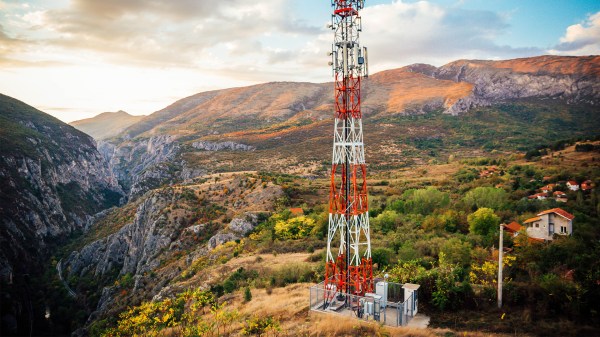
This third article of our three-part series discusses how the edge is more than just micro data centers beneath cell towers. It’s ubiquitous, spans tier 1 cities and rural markets, and exists in many forms.

In this edition of Voices of the Industry via Data Center Frontier, Raul Martynek, CEO at DataBank, refines the definition of edge computing.
Discover the DataBank Difference today:
Hybrid infrastructure solutions with boundless edge reach and a human touch.
Tell us about your infrastructure requirements and how to reach you, and one of our team members will be in touch shortly.
Can’t see the form? Click here.
Let us know which data center you'd like to visit and how to reach you, and one of our team members will be in touch shortly.
Please understand that we might not be able to accommodate every request for a physical data center tour.
Please allow a minimum of 24-48 hours for a response.
Can’t see the form? Click here.
Enjoying our resource? Get the latest news and articles delivered straight to your inbox.
Can’t see the form? Click here.
Can’t see the form? Click here.