

InformationWeek explored the feasibility of space-based data centers as a sustainability solution, featuring insights from DataBank COO Joe Minarik on current terrestrial challenges. The article examined the European Commission-funded ASCEND study led by Thales Alenia Space, which found promising results for deploying data centers in Earth’s orbit using solar power and eliminating water cooling requirements entirely.
Minarik highlighted the capacity constraints facing the industry even before generative AI entered the picture. With AI’s advent, those constraints have intensified, creating two- to three-year lead times for new facility construction. The article explored how space-based data centers could address critical resource challenges including power consumption, water usage, land requirements, and environmental impact.
“Even before GenAI joined the equation, we began to have data center capacity constraints. With the advent of AI, those constraints are amplified, and we now see data center operators facing a two- to three-year lead time in building a data center.”
— Joe Minarik, COO of DataBank
The comprehensive piece examined both the technical feasibility of orbital data centers and the hurdles to overcome, including development costs, manufacturing challenges, and latency concerns. InformationWeek positioned this exploration within broader industry efforts to achieve sustainability goals while meeting explosive AI-driven infrastructure demand.
Explore the full InformationWeek analysis of space-based data center possibilities.

Sign Up For Our Resource Library
Enjoying our resource? Get the latest news and articles delivered straight to your inbox.
Can’t see the form? Click here.
Share Article
AI has moved beyond experimentation to deliver real ROI. This video explores how enterprises are rethinking infrastructure: balancing cloud, colocation, and on-prem, while overcoming integration and scaling challenges. Discover how customized models and decentralized inference are shaping the next phase of enterprise AI.
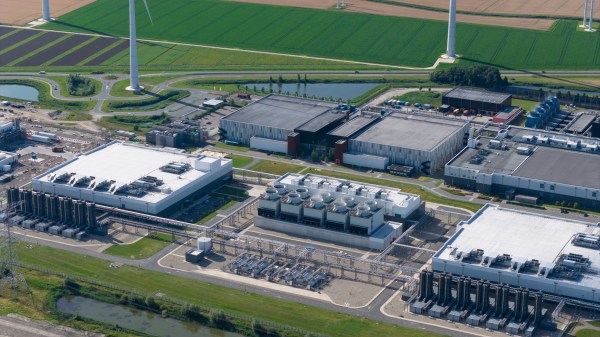
The fundamentals that worked for decades no longer apply in data center construction. Single campuses now require 4,000 workers instead of 750 as the industry adapts to unprecedented scale.
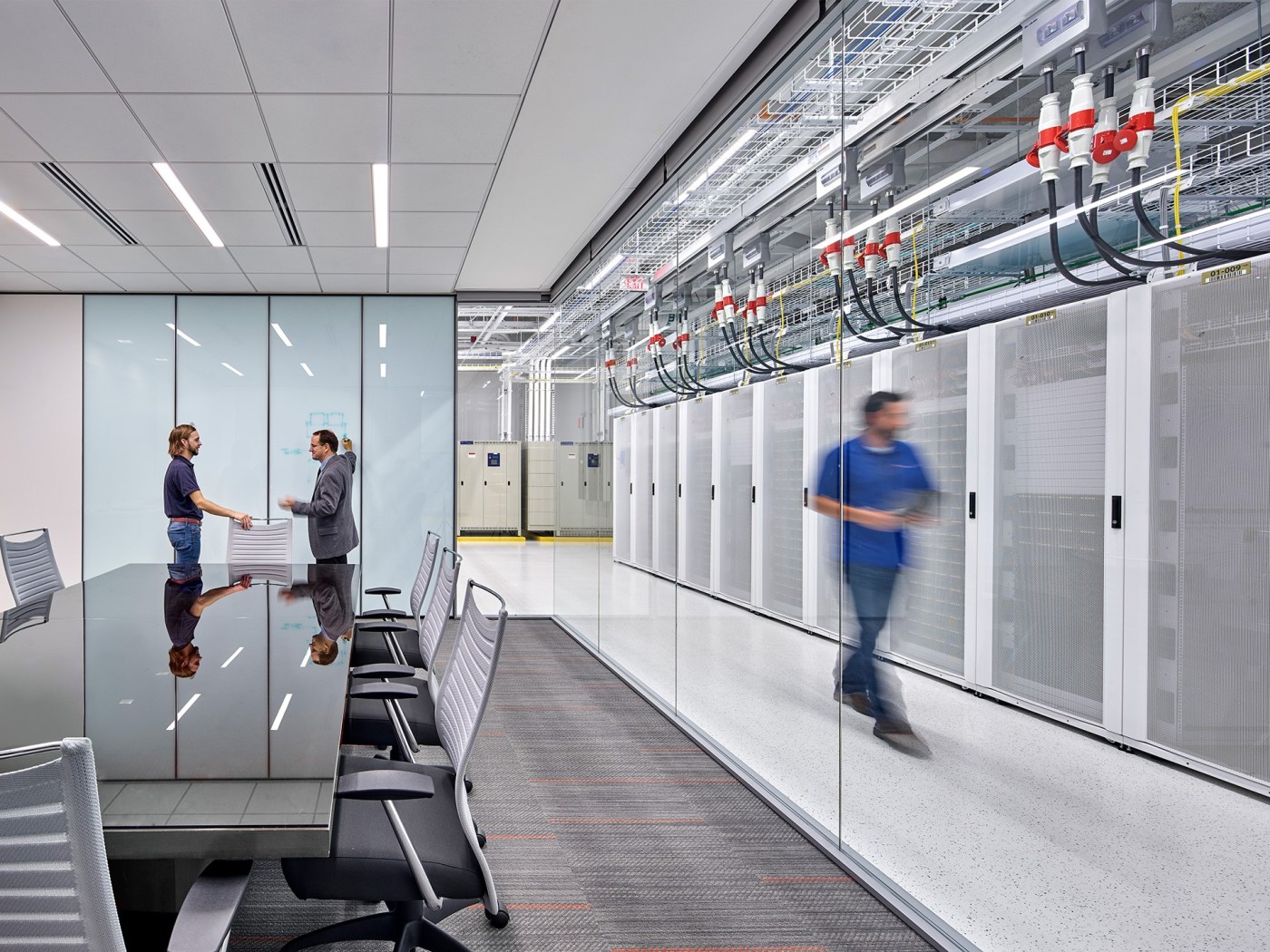
Discover the DataBank Difference today:
Hybrid infrastructure solutions with boundless edge reach and a human touch.
Tell us about your infrastructure requirements and how to reach you, and one of our team members will be in touch shortly.
Can’t see the form? Click here.
Let us know which data center you'd like to visit and how to reach you, and one of our team members will be in touch shortly.
Please understand that we might not be able to accommodate every request for a physical data center tour.
Please allow a minimum of 24-48 hours for a response.
Can’t see the form? Click here.
Enjoying our resource? Get the latest news and articles delivered straight to your inbox.
Can’t see the form? Click here.
Can’t see the form? Click here.