LATEST NEWS

DataBank and Goodman Group Partner to Open Los Angeles Data Center. Read the press release.

How AI-Driven Data Centers Are Boosting Technological Efficiency and Innovation
  • DataBank
  • Resources
  • Blog
  • How AI-Driven Data Centers Are Boosting Technological Efficiency and Innovation
How AI-Driven Data Centers Are Boosting Technological Efficiency and Innovation

How AI-Driven Data Centers Are Boosting Technological Efficiency and Innovation

  • Updated on March 25, 2024
  • /
  • 3 min read

The synergy between Artificial Intelligence (AI) and data centers is transforming the technological landscape, ushering in an era of unprecedented efficiency and innovation. As AI continues to evolve, its integration into data center operations is not just beneficial but essential. AI-driven data centers enable real-time energy monitoring, reducing carbon footprints and operational costs. This blog explores how AI enriches data center capabilities and the remarkable impact of this integration on industries worldwide.  

The Evolution of AI in Data Centers 

Data centers, the backbone of the digital world, and the human-digital experience are seeing a paradigm shift thanks to AI. This collaboration is enhancing operational efficiencies, reducing energy consumption, and optimizing data management.
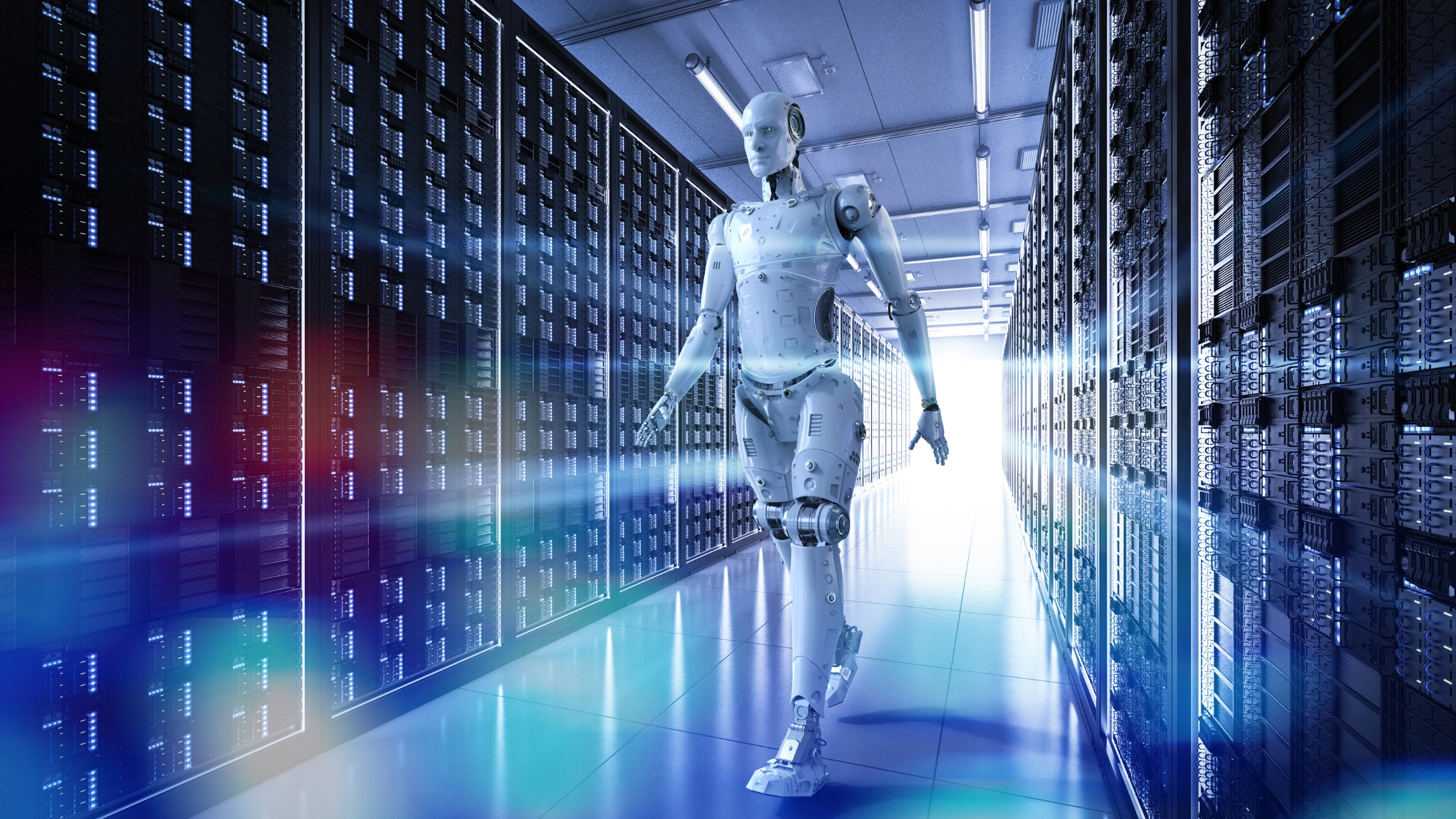
  • Smart Operations: AI algorithms predict and manage data center workload distribution, significantly improving operational efficiency. 
  • Energy Efficiency: AI’s predictive analytics help in reducing energy consumption by optimizing cooling systems based on real-time data

 The Numbers Speak: AI’s Impact on Data Centers 

Statistics reveal the compelling advantages of integrating AI into data center operations: 

  • AI can improve overall operational efficiency by up to 45% (source: IDC). 
  • Predictive maintenance powered by AI can reduce downtime by 35% (source: Gartner). 
  • AI-driven energy optimizations can lead to a 40% reduction in cooling costs (source: DOE).

Breaking Down the Integration 

Enhancing Security with AI

Data centers house sensitive information, making security paramount. AI elevates security measures by:

  • Automated Threat Detection: Real-time monitoring to identify and neutralize threats before they escalate. 
  • Access Control: Using biometrics and behavior analysis for secure, authorized access. 

Predictive Maintenance

Downtime in data centers is costly. AI anticipates potential failures, allowing for: 

  • Early Problem Identification: Detecting issues before they cause outages. 
  • Scheduled Maintenance: Minimizing operational disruptions. 

Data Management and Analysis

The volume of data managed by data centers is colossal. AI simplifies this task through: 

  • Efficient Data Storage: Optimizing storage solutions based on usage patterns. 
  • Advanced Data Analysis: Extracting valuable insights from large datasets in real-time. 

Navigating the Challenges 

Despite the benefits, integrating AI into data center operations comes with its hurdles: 

  • Complex Implementation: Tailoring AI solutions to specific data center needs requires expertise. 
  • Data Privacy: Balancing AI’s data analysis capabilities with stringent privacy regulations.

The Road Ahead 

The fusion of AI and data centers is just beginning. AI‑optimized infrastructure enables dynamic resource orchestration: digital twins for load simulation, predictive cooling, and adaptive energy reuse. Data centers will transition into autonomous infrastructure platforms by 2027. As AI technologies advance, their integration into data center operations will become more sophisticated, driving innovations that we can only begin to imagine: 

  • Autonomous Data Centers: A future where data centers self-manage, adapting to changing demands in real-time. 
  • AI in Edge Computing: Bringing AI closer to the source of data for faster processing and analysis. 

Embracing AI within data centers is not just a trend; it’s a strategic move towards building smarter, more efficient, and secure infrastructures. As we navigate this exciting confluence of technology, the potential for innovation is limitless. 

Eager to explore how DataBank can transform your data center operations? Click here for more information.

Be sure to follow us on LinkedIn to stay informed.

DataBank

Sign Up For Our Resource Library

Enjoying our resource? Get the latest news and articles delivered straight to your inbox.

Can’t see the form? Click here.


Share Article


Popular Categories
Frequently Asked Questions


  • How does AI optimize data center efficiency?
    AI optimizes data center efficiency by continuously monitoring and analyzing operational data to adjust cooling, power usage, and workload distribution in real time. Machine learning algorithms predict hardware failures, optimize energy consumption, and balance computing loads across servers for peak performance. This automation minimizes downtime and reduces human error. AI also helps identify inefficiencies, such as underutilized equipment or excessive power draw, and automatically corrects them. By streamlining resource management and predictive maintenance, AI ensures that data centers operate at maximum capacity while minimizing operational costs and environmental impact.
  • What innovations are emerging in AI-driven data centers?
    AI-driven data centers are adopting innovations such as digital twins, predictive analytics, and autonomous infrastructure management. Digital twins create virtual models of physical systems, allowing real-time simulation and optimization. Predictive analytics uses AI to forecast demand, anticipate equipment issues, and improve uptime. Other emerging innovations include intelligent cooling systems, AI-powered workload orchestration, and edge integration for faster data processing. Additionally, self-healing networks are becoming a reality because AI can detect and resolve issues automatically without human intervention. Together, these innovations are reshaping data centers into intelligent, adaptive ecosystems that enhance performance and scalability.
  • What are the key benefits of AI in data center management?
    The key benefits of AI in data center management include improved energy efficiency, predictive maintenance, and operational automation. AI reduces downtime by identifying and addressing potential failures before they occur. It dynamically manages workloads, optimizes cooling, and reduces power consumption, leading to lower costs and higher sustainability. AI also enhances decision-making by providing real-time insights into performance metrics. Additionally, it reduces human error, increases equipment lifespan, and supports scalability as data demands grow. Ultimately, AI enables data centers to run more intelligently, reliably, and efficiently, aligning with both performance and environmental goals.
  • How does AI enhance data center cybersecurity?
    AI strengthens data center cybersecurity by continuously analyzing network traffic and user behavior to detect anomalies or potential threats in real time. Machine learning models can identify patterns linked to cyberattacks far faster than traditional systems. This means it can provide a robust defense against threats such as malware, phishing, or unauthorized network access. Moreover, AI also enables automated incident response, reducing reaction time and minimizing damage. Predictive algorithms help anticipate vulnerabilities and reinforce defenses before breaches occur. Additionally, AI assists in managing compliance, intrusion detection, and access control. By combining speed, adaptability, and precision, AI provides a proactive layer of protection against evolving cyber threats.
  • What future trends are shaping AI-driven data centers?
    Future trends in AI-driven data centers include the rise of fully autonomous operations, deeper integration with edge computing, and the use of digital twin technology for predictive optimization. AI will increasingly drive energy-efficient “green” data centers through real-time sustainability analytics and intelligent cooling systems. Quantum computing and neuromorphic processors may further accelerate data processing capabilities. Enhanced interoperability between AI systems and multi-cloud environments will also become standard. Ultimately, these trends point toward self-managing, carbon-conscious data centers that adapt dynamically—balancing performance, cost, and sustainability to meet growing global data demands.

Get Started

Discover the DataBank Difference today:
Hybrid infrastructure solutions with boundless edge reach and a human touch.