Summarize with:
read in < 1 min


Edge computing solutions are becoming increasingly widespread. They are gaining ground anywhere there is a need (or want) to process data at maximum speed. That said, edge computing does bring important considerations. Here is a quick guide to what you need to think about if you are considering edge computing solutions.
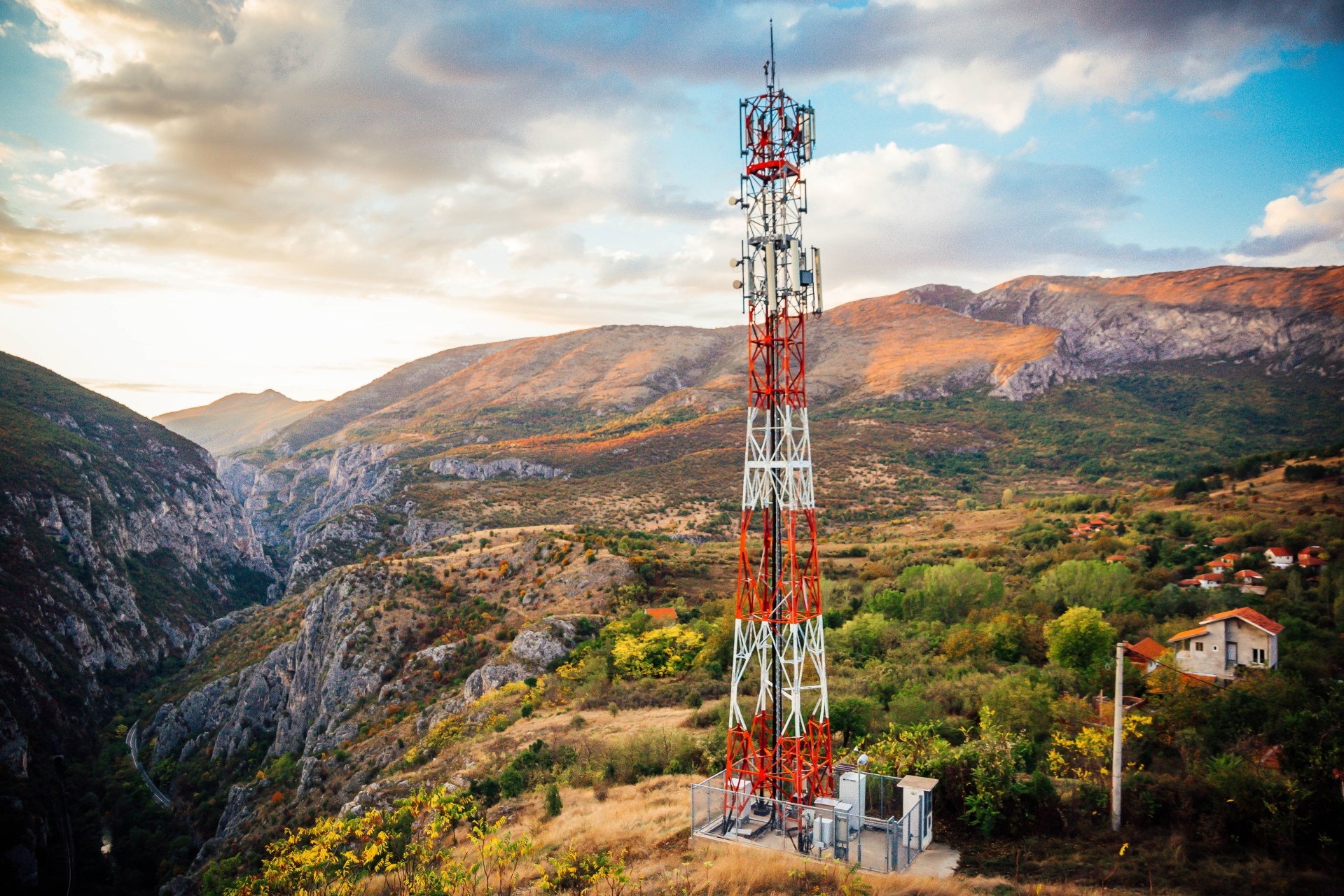
Edge computing solutions are solutions that process some or all data at the edge of a network. The processing may be done by the edge devices themselves. Alternatively, the edge devices may connect to a local server.
These local servers are generally known as edge servers. They provide more computing power than individual devices can. They do not (and cannot), however, provide the same kind of power as a full cloud data center.
This means that many edge solutions are run in combination with cloud computing solutions. For example, a large-scale edge computing solution may process some data on end devices, some on edge servers, and some in the cloud.
Looking at some of the areas where edge computing is commonly used can give you an idea of why it is appealing.
Industrial Internet of Things (IIoT)
Agriculture
Security (especially retail store monitoring)
Healthcare
Smart cities
Assisted driving/autonomous vehicles
The common factor in all of these use cases is that they benefit from data being processed quickly. For example, if a retail store detects a potential crime in progress, it is very much in their interest to prevent it from happening. If they cannot do that, then they want to report it to the police as quickly as possible.
Another unifying factor is that, at present, edge computing solutions are still very much orientated towards businesses. With that said, healthcare, smart cities and assisted driving/autonomous vehicles all touch on the consumer sector.
Given the general progress of technology, it seems fair to assume that edge solutions will start to spread out more into the consumer sector. In fact, this is already happening as homes (and vehicles) become smarter.
Edge computing solutions and cloud computing solutions are both forms of distributed computing. They just approach the distribution in different ways.
Edge computing solutions process as much data as possible locally. This can mean on the devices themselves or on edge servers. Cloud computing solutions are accessible from anywhere a device can go online. The processing, however, is done at a central point.
This difference results in some very important, practical differences between edge solutions and cloud computing solutions. Here is a quick guide to the main ones.
Speed is a clear win for edge computing solutions. In fact, speed is the unique selling point of edge solutions. With that said, the speed benefit mainly applies to tasks that require limited power to process.
As the processing burden of tasks increases, so the benefit of edge computing decreases. If it continues to increase then, at some point, edge computing solutions will become slower than cloud computing solutions.
Whether the edge is more reliable than the cloud largely depends on your perspective.
On the one hand, you could argue that edge solutions are the more reliable option because they eliminate a single point of failure.
On the other hand, you could argue that cloud computing solutions are the more reliable option because it is easier to deal with failures. Data centers have staff on-site 24/7/365. This may not be the case in locations with edge devices.
The economies of the edge versus the cloud really have to be analyzed on a case-by-case basis.
Edge computing solutions reduce the amount of data being sent to a cloud. In fact, it may be possible for them to eliminate it. This may not reduce the costs of running a network. It should, however, decrease the costs of using a cloud.
On the other hand, the edge requires more powerful end devices than the cloud. This means that they have a relatively high up-front cost. What’s more, they will need more electrical power to complete their tasks. This, again, has a cost.
Using the edge reduces the need to transmit data between endpoints. It, therefore, reduces the opportunities for intercepting data while it is in transit. On the other hand, it can be much harder to protect distributed edge devices than it is to protect centralized cloud servers.
Furthermore, at present, the challenges of managing end devices are compounded by a lack of standardization. This will probably be addressed over time, somehow. At present, however, it is not clear how it will be addressed, let alone when.
Read More:

Sign Up For Our Resource Library
Enjoying our resource? Get the latest news and articles delivered straight to your inbox.
Can’t see the form? Click here.
Share Article
Popular Categories
Discover the DataBank Difference today:
Hybrid infrastructure solutions with boundless edge reach and a human touch.
Tell us about your infrastructure requirements and how to reach you, and one of team members will be in touch shortly.
Can’t see the form? Click here.
Let us know which data center you'd like to visit and how to reach you, and one of team members will be in touch shortly.
Can’t see the form? Click here.
Enjoying our resource? Get the latest news and articles delivered straight to your inbox.
Can’t see the form? Click here.
Can’t see the form? Click here.