

Summarize with:
read in < 1 min


The manufacturing sector has embraced smart technology to improve its operational efficiency (and, hence, its profits). Leveraging smart technology in manufacturing requires ensuring robust manufacturing data connectivity. Interconnection strategies can play a key part in this. Here is a quick guide to what you need to know.
Manufacturing data connectivity refers to the seamless integration and exchange of data between various systems, machines, and devices within a manufacturing environment. Here are 7 of the key benefits it delivers.
Real-time monitoring and control: Data connectivity allows for real-time monitoring of manufacturing processes, enabling immediate adjustments to ensure optimal performance and reduce downtime.
Enhanced operational efficiency: Connected systems streamline data flow across production lines, reducing manual interventions and automating processes, which leads to increased operational efficiency and productivity.
Improved decision-making: By integrating data from various sources, manufacturing data connectivity provides a comprehensive view of operations, allowing for data-driven decisions that enhance production quality and efficiency.
Predictive maintenance: Connected systems can analyze machine data to predict failures before they occur, minimizing unexpected downtime and reducing maintenance costs.
Supply chain optimization: Seamless data exchange between manufacturing and supply chain systems ensures better inventory management, timely procurement, and reduced lead times, optimizing the entire supply chain.
Compliance and quality assurance: Data connectivity ensures that manufacturing processes adhere to regulatory standards by tracking and recording quality metrics in real-time, facilitating compliance and quality assurance.
Scalability and flexibility: A well-connected data system allows for easy scalability and integration of new technologies, enabling manufacturers to adapt quickly to market changes and demands. As plants expand, scalable interconnection for growing manufacturing facilities ensures capacity keeps pace.
Manufacturing data systems benefit from resilient interconnection solutions that bridge OT and IT networks. Here is an overview of the 7 key interconnection strategies for manufacturing data systems.
Direct interconnection involves establishing dedicated data links between manufacturing systems, allowing for fast, reliable communication. This strategy minimizes latency and reduces the complexity of data routing but requires strong cybersecurity measures to protect against potential vulnerabilities in direct connections.
Edge computing places data processing closer to the manufacturing equipment, reducing latency and bandwidth demands on central servers. This approach is crucial for real-time applications, such as automated quality control and process adjustments, where immediate data feedback is necessary to maintain efficiency.
Cloud interconnectivity links manufacturing systems to cloud-based platforms, offering scalable storage, advanced analytics, and machine learning capabilities. This strategy supports centralized data management and enhances global collaboration, making it easier to access and analyze data from multiple locations.
Hybrid integration combines on-premises infrastructure with cloud services, providing the flexibility to choose the best environment for different data processing needs. It allows manufacturers to maintain control over critical operations while leveraging the scalability and innovation of cloud technologies.
IoT integration connects a network of sensors, machines, and devices across the manufacturing floor, enabling continuous data collection and real-time monitoring. This strategy improves operational visibility, supports predictive maintenance, and enhances the overall efficiency of the production process.
APIs facilitate seamless communication between different manufacturing systems and software applications, enabling better system interoperability. This approach simplifies the integration of third-party tools and enhances the ability to customize and scale operations.
A data bus architecture creates a unified communication framework for exchanging data across multiple systems within the manufacturing environment. By standardizing communication protocols, this strategy reduces integration complexity and ensures consistent and reliable data flow across the enterprise, improving overall system efficiency and performance.
Manufacturing data connectivity has to be secure to be useful. Here are 7 measures that help to ensure your interconnection strategies are implemented securely.
Network segmentation: Network segmentation divides the manufacturing network into isolated segments. This limits the spread of potential breaches and reduces the attack surface, enhancing overall security.
Encryption: Encrypting data in transit and at rest ensures that sensitive information remains unreadable to unauthorized users. This protects data integrity and confidentiality during interconnection.
Access control: Implementing strict access control policies, including role-based access, ensures that only authorized personnel and devices can access specific systems or data, minimizing the risk of insider threats.
Multi-factor authentication (MFA): MFA adds an extra layer of security by requiring multiple forms of verification before granting access to systems. This reduces the likelihood of unauthorized access due to compromised credentials.
Secure API management: Securing APIs with strong authentication, encryption, and regular monitoring prevents unauthorized access and data leaks. This is crucial for protecting interconnected systems from external threats.
Regular security audits: Conducting regular security audits identifies vulnerabilities and ensures that security measures are up to date. This proactive approach helps maintain a secure interconnection environment.
Incident response plan: Having a well-defined incident response plan allows for quick action in case of a security breach. This minimizes damage and ensures a rapid return to normal operations.

Sign Up For Our Resource Library
Enjoying our resource? Get the latest news and articles delivered straight to your inbox.
Can’t see the form? Click here.
Share Article
Popular Categories
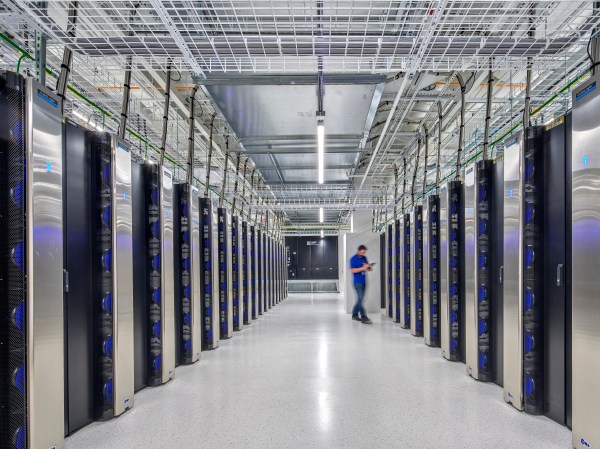
With the growth of technology, businesses are facing new challenges that require a comprehensive approach to IT management. This article will explore the benefits of managed IT services for manufacturing companies, the different types of services available, and how to choose the right provider for your business.

Even today, the word “manufacturing” may conjure up images of large, heavy, cumbersome machinery. It’s true that some of this is still in use in certain industries. Overall, however, manufacturing is converging with IT. The use of the cloud for manufacturing is a case in point and offers many benefits.

Discover how edge computing cloud and edge computing bare metal integrations can revolutionize industries. From autonomous vehicles to healthcare wearables and smart manufacturing, explore how these technologies minimize latency, enhance real-time data processing, and improve efficiency.
Discover the DataBank Difference today:
Hybrid infrastructure solutions with boundless edge reach and a human touch.
Tell us about your infrastructure requirements and how to reach you, and one of team members will be in touch shortly.
Can’t see the form? Click here.
Let us know which data center you'd like to visit and how to reach you, and one of team members will be in touch shortly.
Can’t see the form? Click here.
Enjoying our resource? Get the latest news and articles delivered straight to your inbox.
Can’t see the form? Click here.
Can’t see the form? Click here.