
Analysis of the latest trends and developments from DataBank’s own thought-leaders and experts.

Start-ups may operate on a pure-cloud or cloud-first approach. Scale-ups and mature organizations, however, need to make mindful choices between the cloud and on-prem infrastructure. With that in mind, here are 10 critical questions to answer in every cloud workload assessment.

At a high level, cloud repatriation is, essentially, the reverse of cloud migration. At a more detailed level, however, the processes are significantly different. With that in mind, here is an overview of the 10 most critical differences between cloud repatriation vs cloud migration. It’s vital that organizations understand these before starting the cloud repatriation process.

Although the public cloud has become a key part of business IT, there are still many instances of workloads that do better on private hardware. These are particularly common in certain industries. Here is an overview of the 10 main ones.

If applications are not delivering the necessary (or desirable) level of performance and/or value in the public cloud, then cloud repatriation may be an astute move. That said, it may not be the right move in every situation. With that in mind, here are 10 points to consider whether or not it’s right for you.

Master the art of DevOps with this essential guide to best practices for both cloud and bare metal environments. Discover how automation, continuous monitoring, and robust security practices can enhance your workflows. Learn the key tools and cultural shifts needed to excel in DevOps cloud and DevOps bare metal implementations.

A large part of the skill of modern IT management is the skill of placing the right workload in the right environment for maximum individual and overall performance. With that in mind, here are 10 points businesses should consider when deciding how to balance workloads.

When the public cloud does not deliver the results businesses need (or just want), businesses have two options. They can undertake cloud repatriation, or they can undertake public cloud optimization. With that in mind, here are 10 points businesses should consider when choosing between these two options.

Hosting workloads in the public cloud sometimes works out very well. At other times, however, it becomes clear that the workloads really need to be repatriated back to on-prem hardware. With that in mind, here is a complete guide to cloud repatriation covering why it happens and how to prevent painful migrations.

Probably the biggest downside to undertaking cloud repatriation is the need to undertake a migration. This downside can, however, be substantially mitigated by having a robust plan in place for making the move. With that in mind, here is an overview of the 10 most essential components of a successful cloud repatriation strategy.
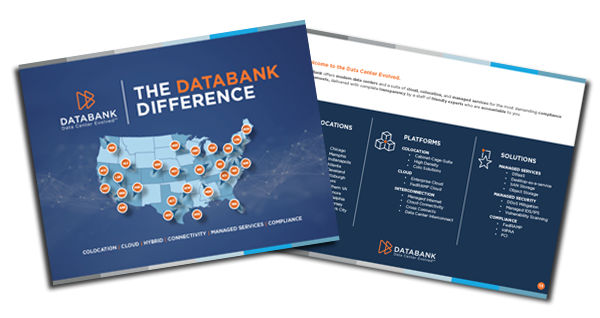

Discover the DataBank Difference today:
Hybrid infrastructure solutions with boundless edge reach and a human touch.
Tell us about your infrastructure requirements and how to reach you, and one of team members will be in touch shortly.
Can’t see the form? Click here.
Let us know which data center you'd like to visit and how to reach you, and one of team members will be in touch shortly.
Can’t see the form? Click here.
Enjoying our resource? Get the latest news and articles delivered straight to your inbox.
Can’t see the form? Click here.
Can’t see the form? Click here.