

Summarize with:
read in < 1 min


Edge data centers vs traditional data centers come down to location and purpose: edge facilities are small and decentralized, placed close to users to cut latency, while traditional data centers are large, centralized hubs. This guide breaks down the 10 key differences.
Edge data centers are decentralized facilities located close to end-users or devices that generate and consume data. This is known as the “edge” of the network. Processing data locally improves data processing speed by minimizing the distance data needs to travel. It therefore benefits applications where speed is of the essence. This includes many Internet of Things (IoT) applications.
Traditional data centers are centralized facilities designed to store, process, and manage large volumes of data and applications for organizations. They typically feature extensive infrastructure, including servers, storage systems, networking equipment, and cooling mechanisms, housed within a single location or a few centralized locations.
Here are the 10 key differences between edge data centers vs traditional data centers.
Edge data centers are strategically distributed closer to end-users or devices, often at the “edge” of the network, reducing latency and improving data processing speed. Traditional data centers are typically located in centralized, remote locations, leading to potential latency issues for users accessing resources.
Edge data centers usually focus on compact and efficient designs to accommodate the distributed nature of their deployment. Traditional data centers are characterized by large-scale infrastructure setups capable of handling vast amounts of data and compute workloads.
Edge data centers offer faster data processing as their proximity to end-users and devices minimizes the distance data needs to travel and, hence, the impact of latency. Edge data centers are expected to grow at a CAGR of 15.7%, driven by demand for low-latency processing near end users. Traditional data centers may introduce higher latency due to the longer network distances between the centralized location and end-users or devices.
Edge data centers rely on distributed network architectures, often employing edge computing technologies and content delivery networks (CDNs) to optimize data delivery and interconnectivity. Traditional data centers typically utilize more centralized network architectures, potentially leading to bottlenecks and congestion in data transmission, especially for geographically dispersed users.
Edge data centers present challenges in ensuring consistent data governance and compliance across distributed locations. They require particularly robust policies and monitoring mechanisms to maintain regulatory compliance. Traditional data centers may have established governance frameworks and compliance measures centralized within a single location. This can greatly simplify enforcement and oversight.
Edge data centers often require robust security measures at each distributed location to protect data and infrastructure, considering the diverse environments in which they operate. Traditional data centers typically implement centralized security protocols but may face higher risks due to their single-point-of-failure nature.
Edge data centers may incur higher deployment costs per location due to the need for distributed infrastructure. On the other hand, they can potentially reduce overall operational costs by optimizing resource usage and improving user experience. Traditional data centers may offer economies of scale in terms of infrastructure investments. On the other hand, they can incur higher operational costs for long-distance data transmission and maintenance.
Edge data centers are designed to be highly scalable and flexible, allowing for rapid deployment and adaptation to changing demands in distributed environments. Traditional private data centers may face challenges in scalability due to their centralized nature, requiring significant investments and planning for expansions. Colocation data centers are, however, designed to offer both scalability and flexibility.
Edge data centers often employ redundancy and failover mechanisms at each distributed location to ensure high availability and reliability of services, mitigating risks associated with localized failures. Traditional data centers also incorporate redundancy but typically focus on centralized redundancy strategies. This may lead to longer downtimes in the event of failures.
Edge data centers are designed with more energy-efficient systems and cooling solutions to accommodate smaller-scale infrastructure deployments and optimize power consumption. Traditional data centers, due to their larger size and capacity, may require more intensive power and cooling systems, resulting in higher operational costs and environmental impacts.
Edge data centers are best used for undertaking simple processing tasks on relatively small volumes of data. A typical use case for edge data centers is for the Internet of Things.
Traditional data centers, by contrast, are best used for more complex processing tasks and/or for large volumes of data. A typical use case for traditional data centers is for big data analytics.
It is, however, worth noticing that edge data centers and traditional data centers can be used in tandem. The edge data centers handle basic processing tasks quickly. Tasks they cannot handle are forwarded to traditional data centers with more power.

Sign Up For Our Resource Library
Enjoying our resource? Get the latest news and articles delivered straight to your inbox.
Can’t see the form? Click here.
Share Article
Popular Categories
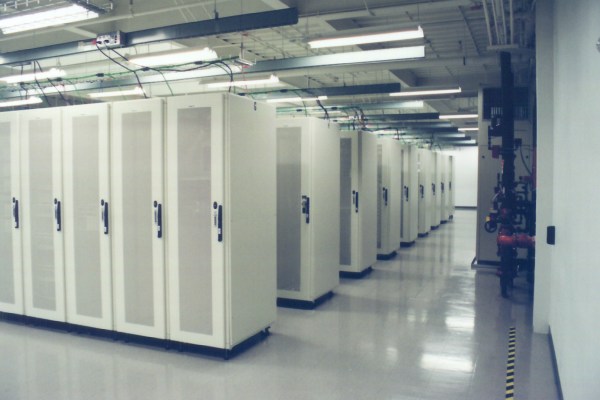
Explore the key considerations in choosing between colocation and on-premises data center strategies. Compare cost implications, upfront and operational costs, scalability benefits, and security measures to make an informed decision for your organization's IT infrastructure.

Key Takeaways: Demand for colocation is growing due to cloud expansion and data needs Edge computing and hybrid IT are shaping future colocation strategies Sustainability and energy efficiency are becoming...
Strategic, Technical, and Future alignment gives you the best possible data center experience today and tomorrow.
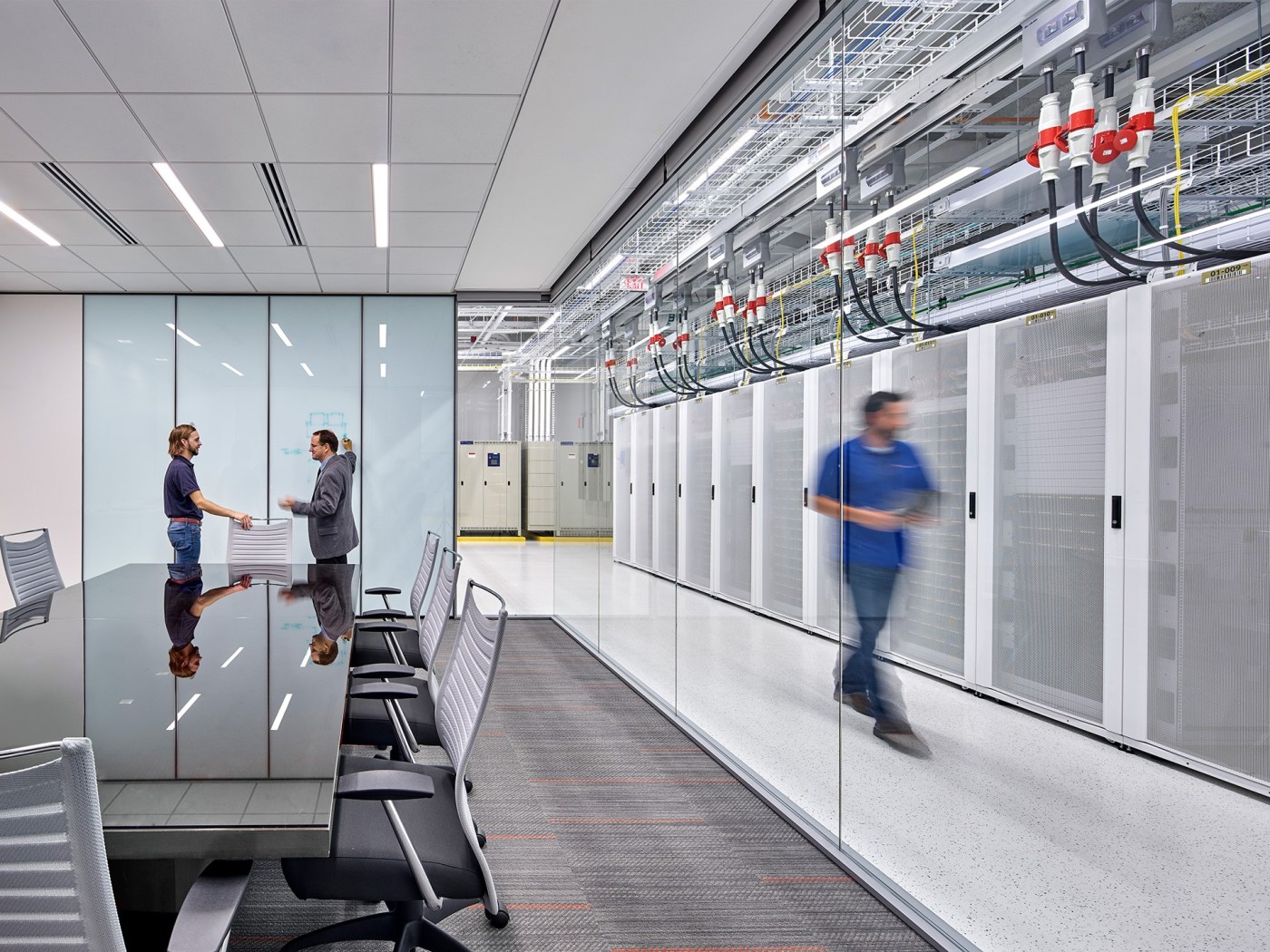
Discover the DataBank Difference today:
Hybrid infrastructure solutions with boundless edge reach and a human touch.
Tell us about your infrastructure requirements and how to reach you, and one of our team members will be in touch shortly.
Can’t see the form? Click here.
Let us know which data center you'd like to visit and how to reach you, and one of our team members will be in touch shortly.
Please understand that we might not be able to accommodate every request for a physical data center tour.
Please allow a minimum of 24-48 hours for a response.
Can’t see the form? Click here.
Enjoying our resource? Get the latest news and articles delivered straight to your inbox.
Can’t see the form? Click here.
Can’t see the form? Click here.