Summarize with:
read in < 1 min


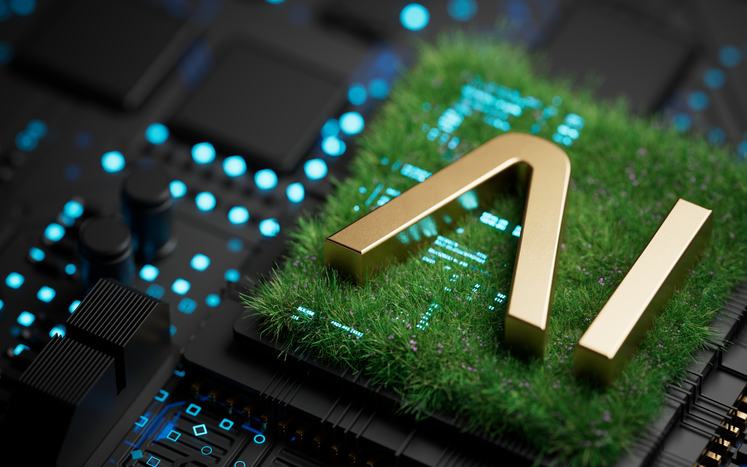
One of the many benefits of artificial intelligence (AI) is that it has helped data centers to become more sustainable. AI-powered green data centers are more efficient and, hence, more sustainable (and more cost-efficient) than traditional data centers. With that in mind, here is a straightforward guide to what you need to know about AI and energy efficiency.
Data centers house IT infrastructure that needs constant power to process, store, and/or disseminate data. In addition to the energy requirements of this power, data centers need to power the infrastructure required to support it.
For example, the equipment in data centers often generates significant amounts of heat, so data centers need robust cooling systems.
Furthermore, modern data centers often operate 24/7/365. This means that the need for power is ongoing.
There are three main reasons why it’s important to maximize energy efficiency in data centers. These are sustainability, safety, and cost-effectiveness.
Sustainability: All energy has an environmental price (even renewable energy). Maximizing energy efficiency, therefore, minimizes the environmental impact of data center operations.
Safety: The more energy-efficient a data center is, the lower its operating temperature is. The lower its operating temperature is, the less risk of fire there is.
Cost-effectiveness: Maximizing energy efficiency minimizes energy costs. This can result in significant savings.
The role of AI in energy efficiency in data centers is to optimize the use of power. Using predictive analytics, AI can anticipate fluctuations in demand and adjust energy consumption accordingly, reducing waste. Additionally, AI algorithms can identify inefficiencies, like underutilized servers, and reallocate workloads to maximize resource efficiency.
Here are 7 defining characteristics of AI-powered green data centers.
Predictive energy management: AI-powered systems use predictive analytics to forecast energy needs based on historical data and real-time conditions. This allows data centers to anticipate power demand and allocate resources accordingly, preventing unnecessary energy consumption.
Automated cooling control: AI monitors temperature, humidity, and airflow throughout the data center and adjusts cooling systems in real time. This automated control ensures optimal cooling efficiency by targeting specific areas that require cooling, rather than applying uniform cooling across the facility.
Dynamic workload distribution: AI can dynamically distribute workloads to minimize energy usage by optimizing server utilization. By assigning tasks to servers that are running more efficiently and powering down idle ones, AI helps maintain optimal performance while conserving energy.
Renewable energy integration: AI systems in green data centers help manage renewable energy sources, such as solar or wind, by analyzing availability patterns and balancing them with grid energy. This feature ensures a steady energy supply from renewable sources, maximizing their use while maintaining consistent operations.
Real-time monitoring and alerts: AI-powered data centers continuously monitor key metrics like power usage, temperature, and equipment health. Real-time alerts notify administrators of potential issues before they escalate. This facilitates timely interventions and reduces the energy waste associated with equipment faults.
Advanced resource virtualization: AI enables efficient use of virtualized resources, allowing data centers to share hardware resources across multiple applications. This maximizes the use of physical infrastructure and reduces the need for additional hardware, ultimately lowering overall energy consumption.
Predictive maintenance: By analyzing equipment performance data, AI can predict when servers or cooling systems will require maintenance. Predictive maintenance reduces unplanned downtime and energy spikes associated with failing equipment, maintaining efficient operations.
While AI-powered green data centers offer many benefits, they can also present some challenges. Here are 5 of the main ones.
High initial investment: Implementing AI-powered systems requires substantial upfront costs for AI infrastructure, such as advanced hardware, sensors, and specialized software. These investments can be a barrier, particularly for smaller organizations with limited budgets.
Data privacy and security concerns: AI systems require access to large volumes of data, including sensitive operational information. Ensuring data privacy and securing this data against cyber threats is a challenge, as any breach can compromise both operations and sensitive information.
Complex integration with legacy systems: Many data centers still rely on older, legacy systems that may not easily integrate with AI-powered tools. Updating or replacing these systems to support AI-driven efficiency measures can be time-consuming and costly.
Technical expertise requirements: Operating and managing AI-powered systems require specialized skills, including data science, machine learning, and systems engineering. Finding and retaining skilled personnel to design, implement, and maintain these systems can be challenging.
Reliability of AI predictions: While AI predictions can greatly improve efficiency, they’re not infallible. External factors, such as sudden demand spikes or equipment malfunctions, can affect predictions. This makes it important to monitor AI’s decisions and maintain backup plans.

Sign Up For Our Resource Library
Enjoying our resource? Get the latest news and articles delivered straight to your inbox.
Can’t see the form? Click here.
Share Article
Popular Categories

Many factors are changing our perceptions and approaches to data center design and use, especially when it comes to meeting customers’ changing requirements with clean energy sources. Understanding these trends and their implications can help data center operators anticipate the future to design much more intelligent data centers today.
DataBank provides the Density, Reach, and Scale your organization’s HPC infrastructure will need to meet the challenge of AI.
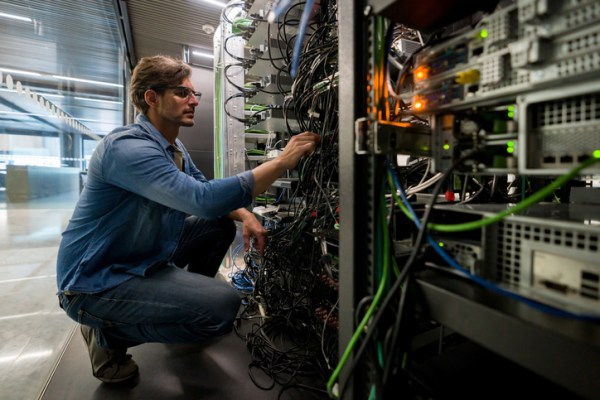
Explore the use of artificial intelligence in data center management. Gain an overview of artificial intelligence, data centers, and data center management. Find out what tasks are best suited for AI-powered automation. Learn five key best practices for successfully implementing AI in data center management.
Discover the DataBank Difference today:
Hybrid infrastructure solutions with boundless edge reach and a human touch.
Tell us about your infrastructure requirements and how to reach you, and one of team members will be in touch shortly.
Can’t see the form? Click here.
Let us know which data center you'd like to visit and how to reach you, and one of team members will be in touch shortly.
Can’t see the form? Click here.
Enjoying our resource? Get the latest news and articles delivered straight to your inbox.
Can’t see the form? Click here.
Can’t see the form? Click here.