Summarize with:
read in < 1 min


Over recent years, edge computing has become increasingly widely regarded as an essential component of modern hybrid IT systems. With that in mind, here is a straightforward guide to how Chicago data centers are embracing edge computing.
Edge computing is the practice of storing and/or processing data near where it is generated and/or used. This is typically at the periphery (or “edge”) of a network rather than in a centralized data center.
Here are the five main options for implementing edge computing.
These are local computing resources deployed at the physical site where data is generated, such as IoT gateways, routers, or micro data centers. They process data close to the source, reducing latency and bandwidth usage.
Devices such as smartphones, drones, or embedded systems process data directly on the device. This approach supports mobility and real-time data processing in scenarios like augmented reality or field diagnostics. It also improves privacy by limiting data transmission to external servers.
These are small-scale data centers placed near end users or IoT devices. They provide more computing power than embedded devices and are used in applications requiring substantial processing without sending data to the cloud. Examples include content delivery networks or smart retail systems.
Cloud providers offer edge computing infrastructure located close to users. These “cloudlets” allow for offloading processing from devices while still maintaining low latency. It’s ideal for scalable applications such as streaming services, online gaming, or AI inference workloads.
This model extends cloud capabilities to the edge by using a layered architecture. It distributes data processing across multiple nodes between the cloud and edge devices, supporting complex and distributed IoT systems like smart cities or utility grids.
Here is an overview of the five main ways that edge computing enhances data centers.
By processing data closer to the source, edge computing reduces the time it takes for data to travel to and from the data center. This is crucial for real-time applications such as video analytics, industrial automation, and autonomous systems that require immediate responses.
Edge computing minimizes the need to transmit large volumes of raw data to centralized data centers. Instead, only relevant or summarized data is sent, reducing network congestion and lowering operational costs, especially for data-intensive services like IoT sensor networks or surveillance systems.
With edge nodes capable of operating independently, systems can continue functioning even if the central data center experiences downtime or connectivity issues. This enhances overall system reliability and is vital for critical infrastructure and remote deployments.
Edge computing distributes processing tasks across multiple locations, easing the load on central data centers. This distributed model supports better scalability, allowing data centers to manage growing data demands without overprovisioning core resources.
By processing and filtering sensitive data locally, edge computing minimizes or even eliminates the window of opportunity for data to be attacked in transit. It also keeps the data within the same legal jurisdiction. Using edge computing, therefore, enhances security and may help businesses meet compliance and legal obligations.
Edge computing delivers numerous significant benefits to businesses in Chicago. Here are just five of the main ones.
Chicago is home to many industries that aim (or need) to make data-based decisions as quickly as possible. For example, traders in the Chicago Mercantile Exchange (CME) depend on ultra-low latency for high-frequency trading. Edge computing enables local data processing near trading floors, reducing delay and enhancing competitive performance.
As Chicago expands its smart city initiatives—including intelligent traffic systems, connected utilities, and public safety monitoring—edge computing enables faster data processing and responsiveness, improving public services and creating opportunities for tech-focused businesses.
Although Chicago has a low risk of climate disasters, it can have very severe weather conditions. In particular, it is notorious for cold and snowy winters. Edge computing enhances operational continuity by ensuring local systems can operate even if central data centers or network connections are temporarily disrupted.
Many of Chicago’s businesses need to manage large volumes of data quickly. This includes financial services firms, manufacturing firms, and logistics firms (particularly the ones serving O’Hare International Airport). Edge computing reduces the need to send raw data to remote data centers. It therefore reduces the cost of data transmission.
Edge computing allows sensitive data to be processed and filtered locally. This facilitates compliance with industry-level compliance programs as well as state and federal privacy laws.

Sign Up For Our Resource Library
Enjoying our resource? Get the latest news and articles delivered straight to your inbox.
Can’t see the form? Click here.
Share Article
Popular Categories
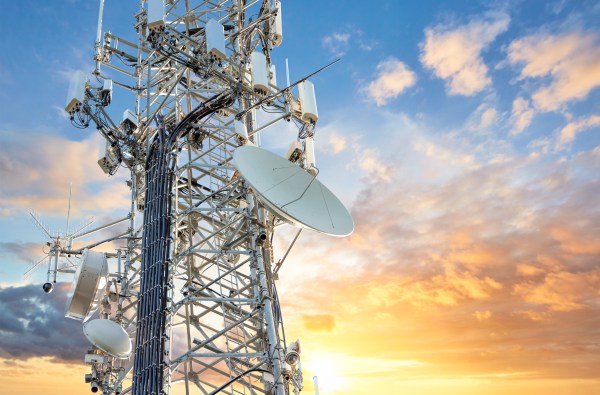
All types of edge computing adhere to the same basic principle. They aim to process as much data as possible at the edge of a network. As edge computing is developing, however, different types of edge computing are implementing this principle in different ways.
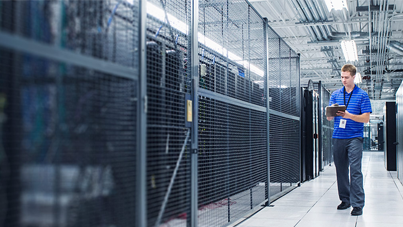
The edge is already here in second tier data center markets where cloud and content deployments are happening today.

Get a closer look at the data centers in DataBank’s Chicago metro market.
Discover the DataBank Difference today:
Hybrid infrastructure solutions with boundless edge reach and a human touch.
Tell us about your infrastructure requirements and how to reach you, and one of team members will be in touch shortly.
Can’t see the form? Click here.
Let us know which data center you'd like to visit and how to reach you, and one of team members will be in touch shortly.
Can’t see the form? Click here.
Enjoying our resource? Get the latest news and articles delivered straight to your inbox.
Can’t see the form? Click here.
Can’t see the form? Click here.