

Summarize with:
read in < 1 min


All data center managers aim to deliver maximum performance using minimum resources. Using machine learning for data center performance can significantly boost the results they achieve. With that in mind, here is a straightforward guide to what you need to know about machine learning optimization in data centers.
Data centers are challenging environments to manage because they require fine judgment at both the macro and the micro levels. At the macro level, data center managers have to think about the overall development of the data center. In particular, they need to think about what technological developments to adopt and when to adopt them.
At the micro level, they require attention to the finest details. For example, the individual components in data centers all contribute to its functionality and standard of performance. Misjudging even one of these could start a chain reaction that leads to significant problems in the data center.
Machine learning (ML) is a branch of artificial intelligence (AI) that enables systems to learn and improve from data without being explicitly programmed. Instead of relying on predefined rules, ML algorithms analyze patterns in data, build predictive models, and refine their performance over time as they process new information.
Here are five of the most valuable benefits of using machine learning for data center performance.
Machine learning optimizes energy usage by dynamically adjusting power and cooling systems based on real-time demand. ML algorithms analyze temperature, workload patterns, and energy consumption data to ensure resources are used efficiently. This reduces electricity costs and minimizes the environmental impact of data centers.
ML enables predictive maintenance by identifying patterns in equipment performance that indicate potential failures. By analyzing historical and real-time data from sensors and logs, ML models can predict when hardware is likely to fail. This proactive approach reduces downtime, avoids costly repairs, and extends the lifespan of equipment.
ML models help optimize the allocation of computing, storage, and network resources. By predicting workload demands and analyzing usage trends, ML ensures resources are distributed efficiently, preventing over-provisioning and under-utilization. This enhances performance and reduces operational waste.
By improving energy efficiency, reducing downtime, and optimizing resource use, ML lowers operational costs. For instance, smarter cooling strategies and workload management reduce unnecessary expenses, while predictive analytics prevent expensive unplanned outages.
ML algorithms allow data centers to scale operations seamlessly by forecasting future requirements and adjusting resources accordingly. As workloads grow or fluctuate, ML systems adapt to maintain performance, ensuring data centers remain responsive to user needs without manual intervention.
Applying the following 7 best practices for ML optimization will help you to get the most out of machine learning for data center performance.
Before implementing ML, establish specific goals aligned with business needs, such as improving energy efficiency, reducing downtime, or enhancing scalability. Clear objectives guide model development and evaluation, ensuring the ML solution addresses the most critical challenges effectively.
ML models rely on accurate and relevant data to perform well. Ensure data from sensors, logs, or workloads is clean, comprehensive, and up-to-date. Preprocessing techniques like normalization, feature selection, and handling missing values improve the quality of data, leading to better model accuracy and reliability.
Selecting an appropriate ML algorithm is crucial for optimization. For example, supervised learning models are ideal for predictive maintenance, while reinforcement learning can dynamically adjust resource allocation. The algorithm should match the problem type and data characteristics.
Regularly monitor ML models to ensure they continue to meet performance benchmarks. Use evaluation metrics like accuracy, precision, recall, or mean squared error (depending on the application) to assess effectiveness. Continuous evaluation helps identify when retraining or fine-tuning is needed.
Data centers operate in dynamic environments. Incorporating feedback loops allows ML models to learn from new data, adapting to changing patterns over time. This ensures the models remain effective and responsive to evolving operational needs.
Ensure the infrastructure can support the computational demands of ML. Use specialized hardware like GPUs or TPUs for faster processing, and leverage cloud or edge computing resources if needed. A well-optimized infrastructure reduces latency and improves real-time decision-making.
Protect the data used in ML models by implementing robust security protocols and complying with data privacy regulations. Encrypt data during storage and transmission and limit access to authorized personnel to safeguard sensitive information.

Sign Up For Our Resource Library
Enjoying our resource? Get the latest news and articles delivered straight to your inbox.
Can’t see the form? Click here.
Share Article
Popular Categories
Discover how colocation enhances AI and machine learning with customizable hardware, efficient infrastructure, excellent connectivity, and robust security. Learn how GPU acceleration and high-performance computing offer scalability and real-time processing. Optimize your AI infrastructure with colocation today!
Explore the topic of AI data center solutions. Gain an understanding of the main drivers behind the demand for AI hosting. Find out the key features of AI and machine learning infrastructure. Learn five recommended best practices when using AI data center solutions.

Digital infrastructure is continually evolving and the development of artificial intelligence (AI) is speeding the pace of that evolution. Discover the state of digital infrastructure in 2024. Find out the top 10 digital infrastructure trends of 2025 and beyond (and learn what role AI plays in them).
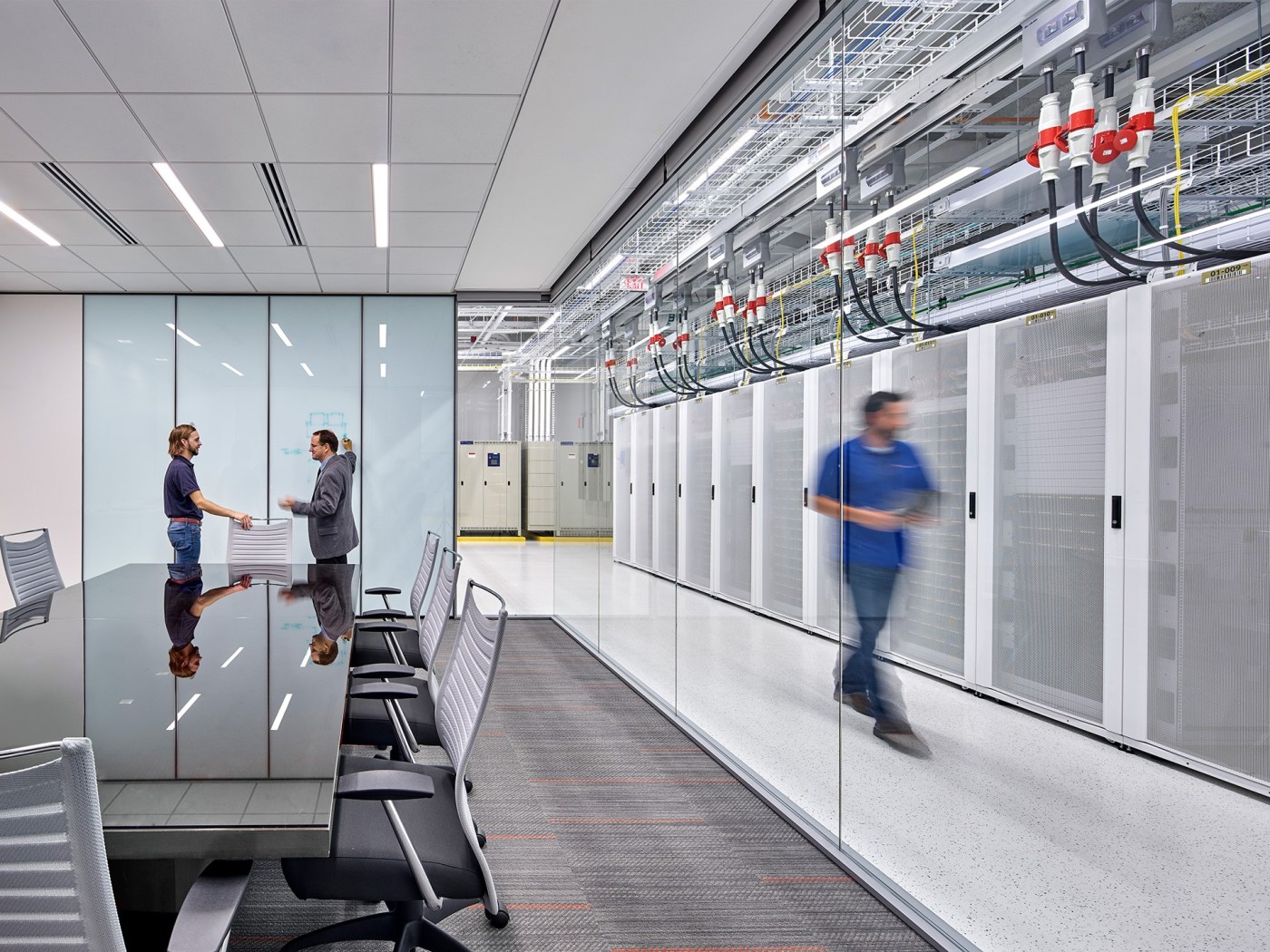
Discover the DataBank Difference today:
Hybrid infrastructure solutions with boundless edge reach and a human touch.
Tell us about your infrastructure requirements and how to reach you, and one of our team members will be in touch shortly.
Can’t see the form? Click here.
Let us know which data center you'd like to visit and how to reach you, and one of our team members will be in touch shortly.
Please understand that we might not be able to accommodate every request for a physical data center tour.
Please allow a minimum of 24-48 hours for a response.
Can’t see the form? Click here.
Enjoying our resource? Get the latest news and articles delivered straight to your inbox.
Can’t see the form? Click here.
Can’t see the form? Click here.