LATEST NEWS

DataBank and Goodman Group Partner to Open Los Angeles Data Center. Read the press release.

Logix Extends Fiber Network to DataBank’s DFW3 Data Center

Logix Extends Fiber Network to DataBank’s DFW3 Data Center

  • Updated on August 6, 2019
  • /
  • 1 min read

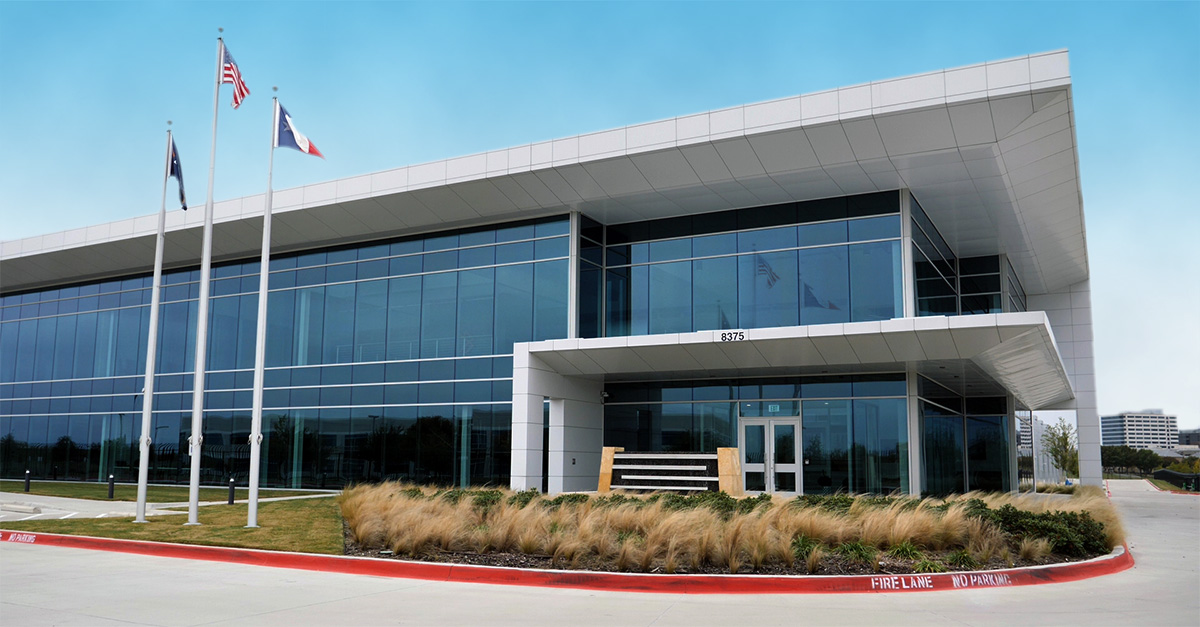
Logix Fiber Networks, the largest independent fiber network provider in Texas, has now extended its fiber network to DataBank’s DFW3 facility, bringing Dallas’s premier data center one step closer to thousands of Texas enterprises.

LOGIX has more than 6,200 route miles of network spanning 225,000 fiber miles, connecting more than 2000 office buildings, 100+ data centers, and 12,000 potential enterprise-class customers.

With the build into DFW3, Logix will now have a presence at all three of Databank’s Dallas-area data centers, giving customers on-net access to all of DataBank’s colocation, cloud and managed services capabilities. In DFW1 and DFW3, Logix is in the MeetMe room. In DFW2, Logix can a fiber drop on the campus.

Hyperscale and enterprises will now have access to low-latency, layer 2 or wave connectivity between their Dallas offices and all of DataBank’s facilities in the area, making it an ideal place to build, scale and collocate the most demanding applications or establish robust cloud connectivity strategies.

If you visit the DFW3 location, be sure to pick up some literature on Logix and learn more.

DataBank

Sign Up For Our Resource Library

Enjoying our resource? Get the latest news and articles delivered straight to your inbox.

Can’t see the form? Click here.


Share Article


Popular Categories
Frequently Asked Questions


  • Why does adding a new fiber provider to a data center matter for enterprise customers?
    Each additional carrier in a facility expands the options enterprises have for diverse paths, competitive pricing, and direct routing to specific markets without relying on a single provider. For IT leaders, more carrier diversity in a colocation site directly translates to better redundancy, lower transit costs, and faster turn-up times for new circuits. It is one of the clearest quality signals when evaluating a colocation provider.
  • What is the value of carrier-neutral colocation in a major metro like Dallas-Fort Worth?
    DFW is one of the most important interconnection markets in North America because it sits at the crossroads of major fiber routes between coasts and into Latin America. A carrier-neutral facility there gives enterprises access to a deep pool of carriers, cloud on-ramps, and content networks from a single footprint. That density is what makes the metro a strategic choice for hybrid IT, content delivery, and disaster recovery anchors.
  • How does fiber network diversity reduce risk for enterprise workloads?
    Having multiple physically diverse fiber paths into a facility means a cable cut, carrier outage, or routing event on one path does not take down your connectivity. For enterprises running production workloads or compliance-sensitive systems out of colocation, that diversity is the practical difference between a brief reroute and an extended outage. The most resilient designs use cross-connects to at least two carriers with provably diverse physical paths.
  • What should IT leaders look for when evaluating a colocation provider's connectivity ecosystem?
    The carrier list matters, but the deeper signals are how easy it is to add new providers, what cloud on-ramps are present in the facility, and how transparent the cross-connect pricing is over time. A facility actively adding carriers, expanding cloud reach, and maintaining clear interconnection pricing is one that will keep working for you as your topology evolves. Static carrier lists and opaque pricing are red flags.
  • How does adding fiber capacity affect long-term scalability for tenants?
    More fiber into a facility means more bandwidth headroom for tenants to grow into without facing supply constraints, plus more competitive pressure on pricing as carriers compete for customers. For enterprises planning multi-year growth in AI, data analytics, or hybrid cloud workloads, this kind of supply-side investment is what keeps a facility viable as a long-term host. It is one of the less visible but more important factors in colocation due diligence.

Get Started

Discover the DataBank Difference today:
Hybrid infrastructure solutions with boundless edge reach and a human touch.