

Summarize with:
read in < 1 min


Using managed security services (MSS) can be an effective and convenient way to protect retail IT infrastructure. Here is a straightforward guide to what you need to know about how MSS can protect your retail business.
Here is an overview of the 7 main current threats to retail IT infrastructure.
Point-of-Sale (POS) attacks: POS systems are prime targets for attackers who seek to inject malware that captures payment card data during transactions. These attacks exploit outdated software or unpatched vulnerabilities in POS terminals.
Ransomware: Ransomware locks retail IT systems and demands payment to restore access. Retailers are particularly vulnerable due to their reliance on continuous operations, making them more likely to pay ransoms to avoid downtime.
Phishing attacks on retail employees: Retail employees often receive phishing emails designed to steal credentials or install malware. Inadequate security awareness training allows attackers to compromise retail systems through employee accounts, leading to data breaches.
Distributed denial-of-service (DDoS) attacks: DDoS attacks flood retail websites and IT systems with excessive traffic, causing service outages. Retailers suffer from downtime and potential sales losses, especially during high-traffic periods like holidays or sales events.
Supply chain attacks: Retailers depend on third-party vendors for services like payment processing and logistics. Cybercriminals target these vendors to compromise the retailer’s network by exploiting vulnerabilities in the supply chain.
IoT vulnerabilities: Many retailers use IoT devices, such as smart cameras and inventory management systems. Poorly secured IoT devices provide entry points for attackers to infiltrate retail networks and compromise sensitive data.
Data skimming: Attackers use hardware or software skimmers to capture payment information during transactions. These skimmers often bypass security measures, leading to significant data breaches.
Managed security services (MSS) are third-party service providers that manage cybersecurity on behalf of other businesses. Here are 7 core elements of their service offering.
Security monitoring and incident response: Continuous monitoring detects suspicious activities in real-time. When threats are identified, MSS providers investigate, contain, and respond to minimize damage.
Firewall and VPN management: MSS providers configure and manage firewalls and virtual private networks (VPNs) to protect against unauthorized access and secure data transmitted across networks.
Vulnerability management: Regular vulnerability assessments identify weaknesses in IT systems. MSS providers apply patches and updates to eliminate security gaps before attackers can exploit them.
Threat intelligence and analytics: Providers use global threat intelligence to analyze emerging threats. This allows proactive defense by identifying patterns and warning of new attack vectors targeting retail systems.
Endpoint security management: MSS covers endpoint devices like computers, mobile devices, and POS systems. Providers implement antivirus, antimalware, and encryption to secure endpoints against infections and breaches.
Compliance management: MSS ensures that retail businesses comply with industry standards like PCI-DSS. This includes monitoring and reporting on security measures required for regulatory compliance.
Penetration testing: MSS providers perform simulated attacks to test the retailer’s defenses. Penetration testing reveals vulnerabilities in systems, allowing businesses to strengthen weak points.
Here are just five of the most important benefits of using managed security services to protect retail IT infrastructure.
Managed security services provide round-the-clock monitoring of retail IT infrastructure, covering vital components like point-of-sale (POS) systems, payment gateways, and inventory management systems.
This real-time monitoring helps detect and mitigate cyber threats instantly, preventing major disruptions to store operations and reducing the risk of lost sales or customer dissatisfaction. Continuous surveillance allows retailers to respond to threats as they arise, avoiding downtime and mitigating potential financial and reputational damage.
MSS providers leverage advanced threat intelligence, behavioral analysis, and machine learning to identify patterns indicative of a cyberattack. These proactive detection methods allow retailers to spot potential threats before they materialize into active breaches.
This helps avoid the exposure of sensitive customer data, including payment card information, ensuring compliance with privacy regulations and protecting the retailer’s reputation. Proactive defense is critical for retailers handling high transaction volumes and sensitive consumer data.
MSS ensures retailers comply with regulatory standards like PCI DSS, GDPR, and CCPA by conducting continuous audits and maintaining security best practices. This helps retailers avoid penalties for non-compliance and demonstrates a commitment to protecting customer data, which can boost customer trust.
Managed security services scale easily as retail businesses grow, whether by expanding physical locations or increasing online presence.
MSS providers ensure that security tools are implemented across all systems without compromising performance, even during high-traffic periods like holidays or sales events. This flexibility allows retailers to focus on growth without worrying about security gaps.
Outsourcing security management to MSS eliminates the need for in-house cybersecurity teams. MSS providers deliver expert-level protection and advanced security tools at a fraction of the cost, reducing overhead while ensuring cutting-edge protection.

Sign Up For Our Resource Library
Enjoying our resource? Get the latest news and articles delivered straight to your inbox.
Can’t see the form? Click here.
Share Article
Popular Categories

As we all know, selecting the right managed services provider (MSP) is crucial. It is the key for businesses seeking efficient IT infrastructure, support, and security solutions. However, with numerous...
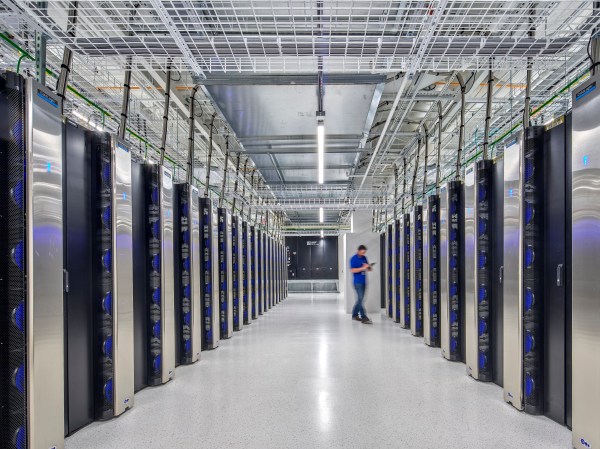
Colocation center managed services are a popular choice for businesses seeking reliable and secure IT infrastructure without the cost and hassle of building and maintaining their own data centers. This article will provide an overview of colocation center managed services so that you can decide whether or not they are right for your business.

Fraud remains a pressing concern in retail. Discover how managed security services can enhance your retail fraud prevention strategy. This guide covers key fraud threats, effective prevention principles, and the top benefits of managed security services for robust, cost-effective retail fraud protection.

Discover the DataBank Difference today:
Hybrid infrastructure solutions with boundless edge reach and a human touch.
Tell us about your infrastructure requirements and how to reach you, and one of team members will be in touch shortly.
Can’t see the form? Click here.
Let us know which data center you'd like to visit and how to reach you, and one of team members will be in touch shortly.
Can’t see the form? Click here.
Enjoying our resource? Get the latest news and articles delivered straight to your inbox.
Can’t see the form? Click here.
Can’t see the form? Click here.