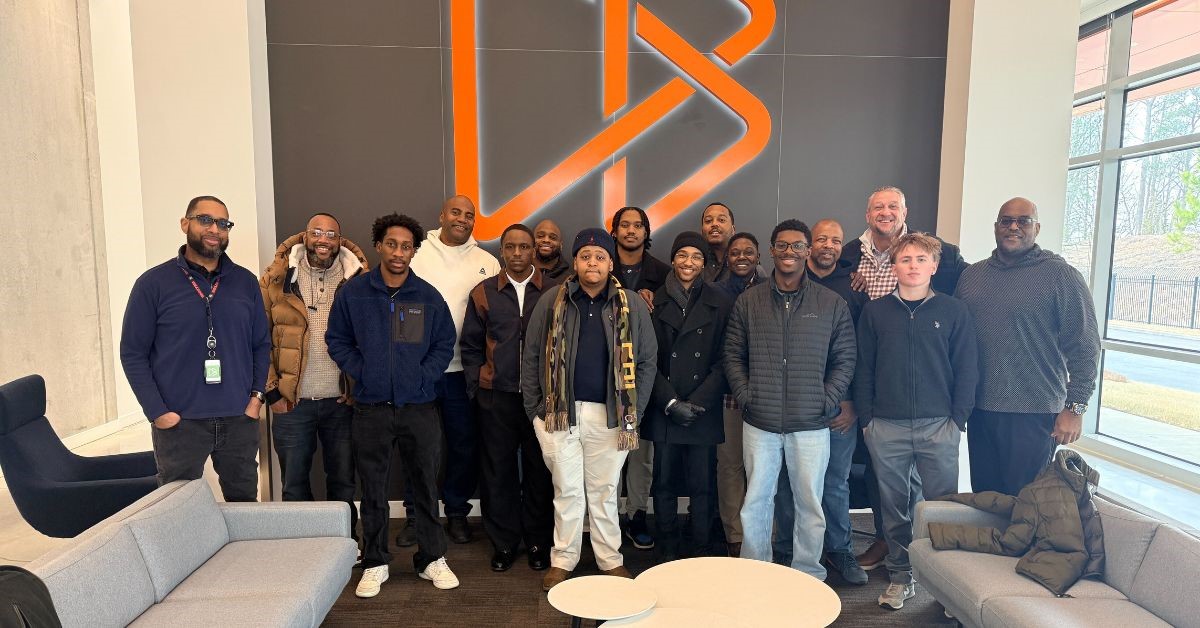
When Anthony Hayes, DataBank’s Critical Facility Manager in Atlanta, received a call from Dexter Edmonds of Opportunity Runway asking if DataBank would host a career exploration event, he didn’t hesitate.
The mission was simple but powerful: Open DataBank’s doors to young people, pull back the curtain on what data centers are, and show them that lucrative, fulfilling careers exist beyond the traditional four-year college path.
The event served two purposes. It would counter misconceptions about the data center industry while opening doors for the next generation. It also gave Hayes a chance to give back in a meaningful way. “What good is it for me to have this knowledge and these skills if I don’t share them?” Hayes said. “I wanted to tell my story, share my journey, and give young people different paths to success.”
The event, held on a Saturday at one of DataBank’s Atlanta facilities, drew nearly 20 young people eager to learn about an industry many had never considered.
For Hayes, it was a chance to move past the headlines and misconceptions about data centers –especially those related to water consumption and environmental impact— and focus on what matters most: the opportunities these facilities create for communities.
“A lot of the rhetoric about data centers comes from people who don’t understand the technology,” Hayes explained. “We wanted to show them real examples: what closed-loop cooling systems actually mean, how modern data centers operate, and most importantly, the career paths available in this industry.”
The day featured multiple components designed to give attendees a comprehensive view of data center careers.
A data center industry expert from Method Experts, a training organization dedicated to equipping operators and technicians in mission-critical environments with essential skills for safety and operational excellence, delivered an educational session on data center fundamentals, their diverse applications, and the wide range of career paths available. He covered everything from physical security and cybersecurity to MEP (mechanical, electrical, and plumbing), operations, and rack-and-stack positions.
Brian Wilkerson from PRT Staffing, a placement service that works with the industry, provided lunch for attendees and even brought his 15-year-old son to the event—a powerful statement about the real conversations families are having about alternative career paths.
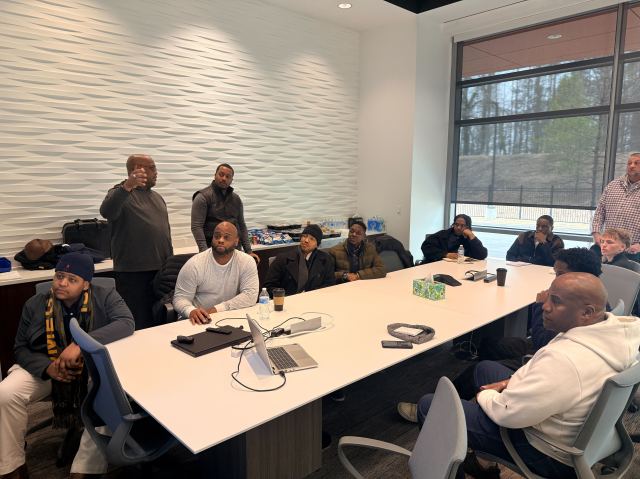
Hayes also invited members of his own team, Leon LaMar III and Clyde Ward, to share their personal journeys into the data center field. “Everybody in a data center has a unique story about how they got there,” Hayes said. “We’re in a field that didn’t exist 30 years ago, and now it’s exploding with opportunities young people may not even know exist.”
Hayes made a compelling case when he compared career paths side by side. The traditional college route often means four years of debt accumulation for a degree that might yield a $60,000 starting annual salary. Meanwhile, trade paths like becoming a journeyman or full electrician offer a dramatically different trajectory.
“You can join the IBEW, pay union dues, and get paid to learn,” Hayes told the group. “In the same four years someone else is in college, you can complete your training and come out making $45 to $55 an hour, which is close to six figures right from the gate.”
Hayes was also careful to note that choosing technical training doesn’t mean abandoning education entirely. Workers can return to school later to develop other skills like professional communication and presentation abilities. “The hard part is the technical knowledge,” he explained. “Once you have that, you can focus on perfecting your soft skills and positioning yourself for bigger roles over the years.”
The message clearly struck a chord. Many attendees connected with Hayes on LinkedIn after the event, staying behind to ask questions about what he looks for when hiring, whether he hires people without experience, and how they could break into the industry.
“The eye-opening realization that you don’t have to go to college but can still make real money,” Hayes said. “That was the biggest thing they took away.”
The event held special significance for Hayes. His own children are in high school, navigating similar decisions about their futures.
“It was an opportunity to show them that community is important, and that it’s important to have leaders who don’t gatekeep,” he said. “Your path might be different from mine, but it doesn’t hurt for you to understand my path and see there’s opportunities for you.”
Hayes also appreciates working for a company that actively supports community initiatives like this. “I really enjoy working for DataBank,” he said. “I’ve worked in toxic work environments before. This is so far from that. There’s a strong culture here that values giving back and investing in the communities where we operate, and that matters.”
The Atlanta event is just the beginning. Hayes continues to represent DataBank at career fairs and community events, partnering with organizations like Opportunity Runway to connect with young people exploring their career options.
“When we open our doors and share our story, we create pathways for others and strengthen the communities we call home,” Hayes said. “That’s what being a good neighbor really means.”
Want to see more stories about DataBank’s community involvement and industry leadership? Check out DataBank Digest for more insights on data center industry trends and infrastructure strategy.

Sign Up For Our Resource Library
Enjoying our resource? Get the latest news and articles delivered straight to your inbox.
Can’t see the form? Click here.
About the Author

Share Article
Popular Categories
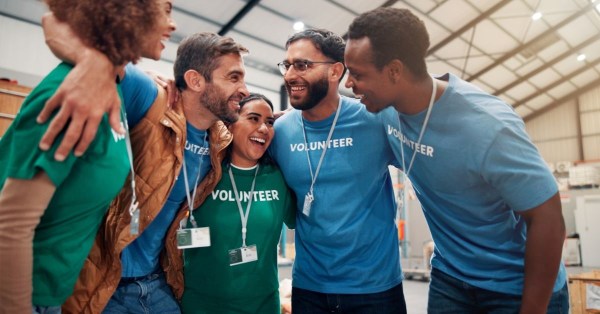
DataBank employees contributed 857 volunteer hours in 2025, supporting communities nationwide through food drives, educational initiatives, military support, and a groundbreaking employee hardship fund.
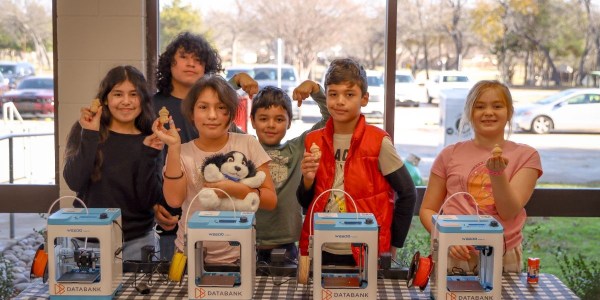
DataBank recently partnered with the Red Oak Library in Texas to bring take-home 3D printer kits to students, removing barriers to technology access in our community.

DataBank teams across eight data centers recently united to send more than 500 letters of gratitude and encouragement to U.S. troops.
Discover the DataBank Difference today:
Hybrid infrastructure solutions with boundless edge reach and a human touch.
Tell us about your infrastructure requirements and how to reach you, and one of our team members will be in touch shortly.
Can’t see the form? Click here.
Let us know which data center you'd like to visit and how to reach you, and one of our team members will be in touch shortly.
Please understand that we might not be able to accommodate every request for a physical data center tour.
Please allow a minimum of 24-48 hours for a response.
Can’t see the form? Click here.
Enjoying our resource? Get the latest news and articles delivered straight to your inbox.
Can’t see the form? Click here.
Can’t see the form? Click here.