Summarize with:
read in < 1 min


Multi-tenant data centers (often known as colocation data centers) are an attractive option for businesses of all sizes. With that in mind, here is an overview of the advantages of multi-tenant data centers in Chicago.
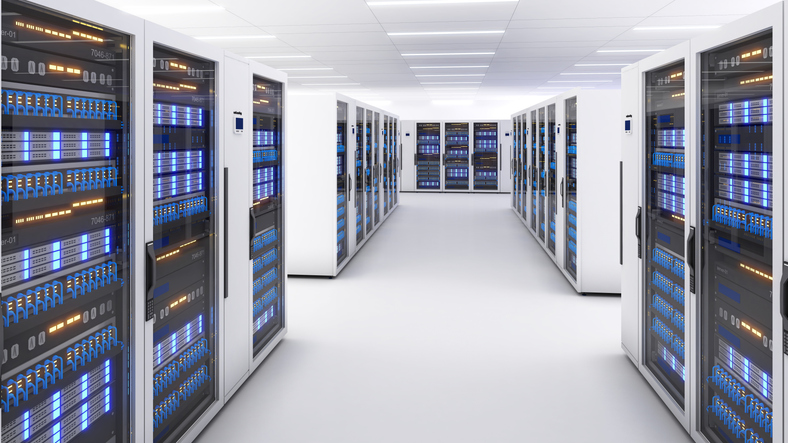
A multi-tenant data center is a data center facility that is run by a specialist vendor but made available for use by multiple organizations. In essence, it’s the real-world counterpart of a public cloud.
The core functionality of a multi-tenant data center is the same as the functionality of a single-tenant data center. There are, however, numerous differences in the details of how multi-tenant data centers are designed and run.
Here are 10 key features of multi-tenant data centers that differentiate them from single-tenant data centers.
Tenant isolation mechanisms: Logical (e.g., VLANs, virtual routing) and physical (e.g., caged racks) separation to securely host multiple clients in the same facility.
Shared infrastructure model: Facilities, such as power, cooling, and core networking equipment, are used by multiple tenants concurrently.
Resource pooling across tenants: Hardware and virtual resources are allocated dynamically among different organizations using orchestration tools.
Multi-tenant orchestration platforms: Centralized management systems support provisioning, monitoring, and billing per tenant.
Self-service tenant portals: Interfaces for individual tenants to manage services, view usage, and request support independently.
Per-tenant network segmentation: Use of private VLANs, virtual firewalls, and routing instances to separate tenant traffic securely.
Tenant-specific access control policies: Customizable security profiles governing physical and digital access per tenant.
Usage-based metering and billing systems: Automated tracking of compute, storage, and bandwidth consumption for each tenant.
Cross-tenant visibility restrictions: Built-in enforcement to prevent any tenant from accessing or seeing another tenant’s data or services.
Multi-tenant SLA tracking: Internal systems monitor SLA compliance on a per-tenant basis rather than per-facility or per-customer basis.
The reason multi-tenant data centers have become so popular is that they offer numerous benefits. Here are 7 of the most important ones.
Cost effectiveness: Tenants are spared the high upfront cost of building or buying their own facility. Instead, they can just pay for the resources they use as long as they use them. They may even be able to unlock economies of scale by pooling their buying power with other tenants.
Operational efficiency: In multi-tenant data centers, the vendor takes care of everything related to the facility itself. This significantly reduces the management burden on the tenants. It therefore makes it easier for them to focus on their own core business.
Guaranteed availability: Multi-tenant data centers will typically guarantee a certain level of availability (or uptime). The current baseline standard is 99.999% uptime. They ensure they can meet this guarantee by implementing high levels of redundancy.
Straightforward compliance: These facilities offer enterprise-grade physical and cybersecurity measures. They will also often have major compliance certifications that their tenants can leverage.
Connectivity options: Modern multi-tenant data centers tend to be carrier-neutral environments. This means they offer tenants access to multiple ISPs, cloud providers, and internet exchanges.
Scalability: Tenants can scale resources up or down quickly without investing in new hardware. The data center’s modular design and pooled resources support dynamic growth and contraction as business needs evolve.
Faster deployment: Prebuilt infrastructure and standardized service models enable tenants to deploy workloads and services rapidly, reducing time to market for IT initiatives.
As previously mentioned, multi-tenant data centers are very cost-effective. Here are just 7 examples of what that means in practice.
Reduced CapEx requirements: Because the vendor provides the facility and the core infrastructure, all the tenants have to buy is their own equipment. They may even choose to lease this.
Shared infrastructure costs: Tenants are spared the need to invest in dedicated infrastructure. They just need to pay for their share of the communal resources.
Shared labor costs: Similarly, the costs of recruiting and retaining the staff needed to run the facility itself are shared by the tenants.
Resource-based pricing: In multi-tenant data centers, pricing is based on the use of resources. Tenants generally have the choice of subscription-based pricing or on-demand pricing (or they may combine both options). Many multi-tenant data centers also offer value-add services (e.g., remote hands support) that can help tenants save even more money.
Economies of scale: Providers purchase key resources (e.g., electricity) in bulk. This lowers unit costs and results in more attractive fees for tenants.
Energy efficiency: Consolidated environments allow for optimized power and cooling management. This reduces energy consumption per tenant compared to isolated environments.
Rapid deployment and scaling: Tenants avoid delays and costs related to provisioning and configuring hardware. Resources can be quickly adjusted, reducing downtime and associated opportunity costs.

Sign Up For Our Resource Library
Enjoying our resource? Get the latest news and articles delivered straight to your inbox.
Can’t see the form? Click here.
Share Article
Popular Categories

Discover the 7 key steps for an effective colocation agreement setup. From defining business needs to finalizing legal terms, this guide ensures a strategic approach. Maximize the benefits of colocation with this comprehensive roadmap.
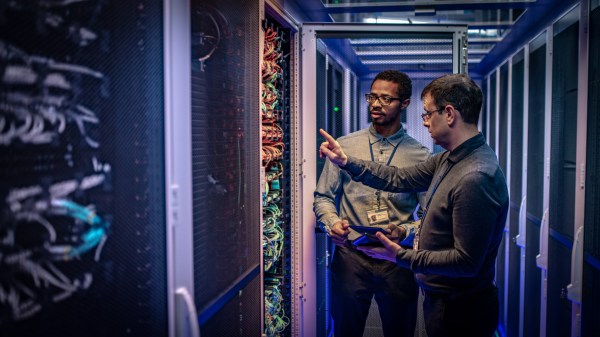
Unlock the potential of 5G with colocation. Explore how colocation adapts to 5G through network densification, collaborative partnerships, and enhanced edge computing. Discover the impact on data center architecture, scalability, and energy efficiency, ushering in a new era of connectivity.

The main benefits of colocation in Chicago are cost-effectiveness, scalability, and flexibility. The main consideration is resilience. Here is a closer look at each of these points as they apply to colocation in Chicago.
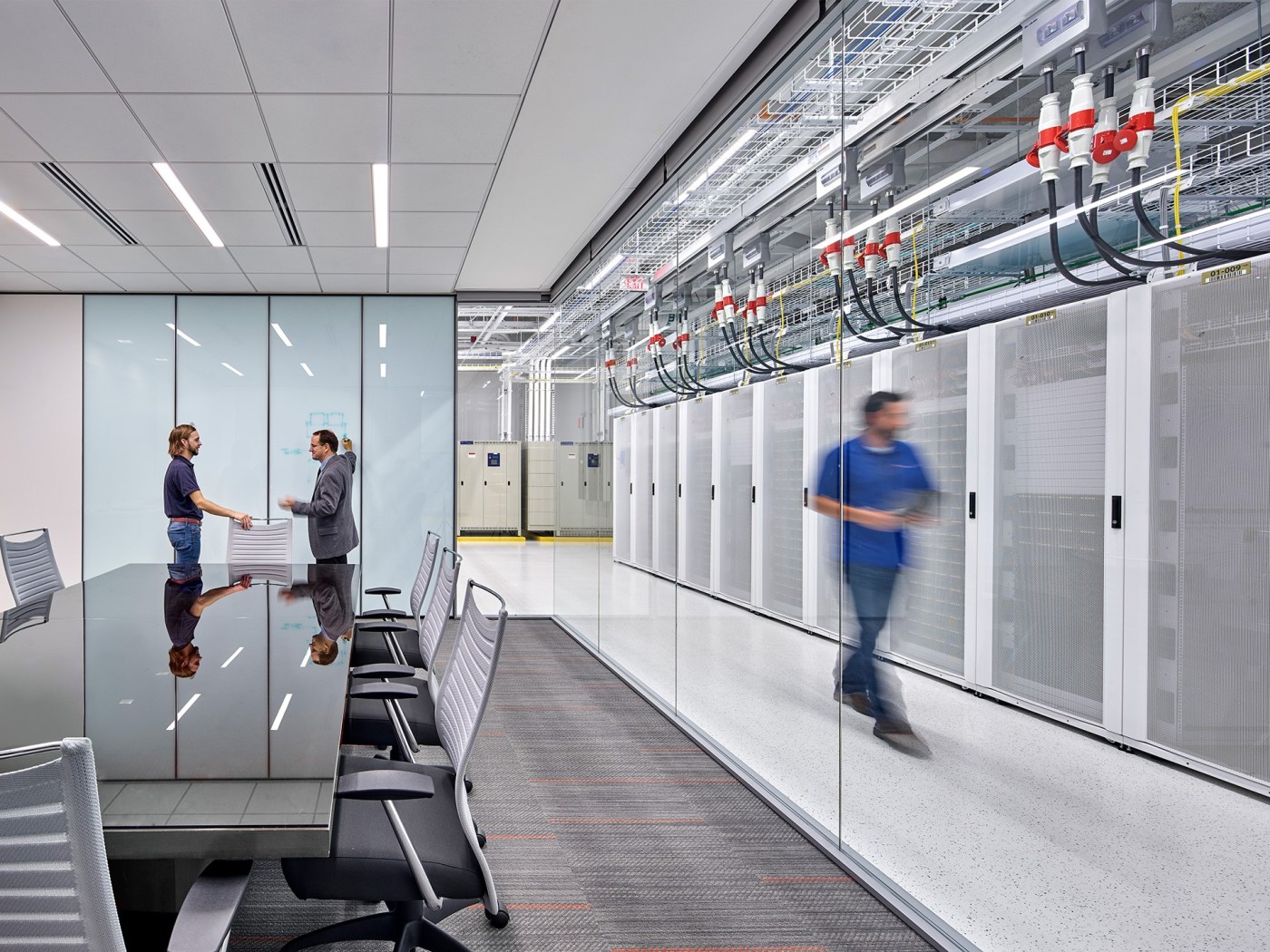
Discover the DataBank Difference today:
Hybrid infrastructure solutions with boundless edge reach and a human touch.
Tell us about your infrastructure requirements and how to reach you, and one of team members will be in touch shortly.
Can’t see the form? Click here.
Let us know which data center you'd like to visit and how to reach you, and one of team members will be in touch shortly.
Can’t see the form? Click here.
Enjoying our resource? Get the latest news and articles delivered straight to your inbox.
Can’t see the form? Click here.
Can’t see the form? Click here.