

Summarize with:
read in < 1 min


As artificial intelligence (AI) and generative AI (GenAI) transition from experimental initiatives to core business systems, CIOs are reassessing the infrastructure decisions made during the initial cloud-first era. While public cloud platforms accelerated early AI innovation, they are increasingly misaligned with the operational, financial, and governance demands of enterprise-scale AI in 2026.
Rising GPU costs, unpredictable consumption pricing, data gravity, regulatory exposure, and performance constraints are forcing CIOs to confront a critical reality: AI workloads are no longer elastic, short-lived, or disposable. They are persistent, data-heavy, latency-sensitive, and financially material.
As a result, CIOs are strategically shifting long-running, production-grade AI workloads from public cloud environments to colocation-based infrastructure, where they gain deterministic performance, cost predictability, compliance control, and architectural sovereignty, without sacrificing hybrid cloud flexibility.
In 2026, AI workloads now underpin:
These workloads:
AI is no longer a “burst workload.” It is foundational infrastructure.
Public cloud GPU pricing in 2026 has become one of the largest line items in enterprise IT budgets.
CIO pain points include:
For always-on AI workloads, cloud GPUs often cost 2-4x more annually than equivalent dedicated infrastructure in colocation.
CIO insight: Cloud pricing works for experimentation, not for production-grade AI at scale.
Public cloud economics assume workloads can:
Enterprise AI workloads, however:
Colocation allows CIOs to:
AI workloads follow data. And enterprise data is growing exponentially.
Challenges in cloud:
In colocation environments:
AI regulation is no longer theoretical.
Enterprises must comply with:
Public cloud introduces:
Colocation provides:
For AI workloads such as:
Milliseconds matter.
Colocation enables:
Cloud abstractions introduce:
CFO concerns with cloud AI in 2026:
Colocation transforms AI spending into:
This is where CIOs gain CFO trust.
CIOs are not abandoning the cloud, they are re-architecting intelligently.
This hybrid model delivers:
Modern colocation environments now support:
Colocation is no longer “just space and power.”
It is AI-ready enterprise infrastructure.
Industry: Financial Services
Challenge: Exploding cloud GPU costs + compliance exposure
Action: Migrated production AI models to colocation
Outcome:
Consider colocation if:
If you answered “yes” to more than two, your AI belongs outside the public cloud.
AI infrastructure decisions made in 2026 will define:
Public cloud launched the AI revolution, but colocation will sustain it.
The most successful CIOs are not choosing sides.
They are choosing architectural control, financial discipline, and long-term scalability.

Sign Up For Our Resource Library
Enjoying our resource? Get the latest news and articles delivered straight to your inbox.
Can’t see the form? Click here.
Share Article
Popular Categories

Executive Summary Vendor sprawl has quietly become one of the most expensive and operationally risky problems inside enterprise IT. Years of rapid cloud adoption, SaaS proliferation, point-solution security tools, and...
DataBank's Data Center Evolved Ecosystem enables a truly Hybrid IT Infrastructure.
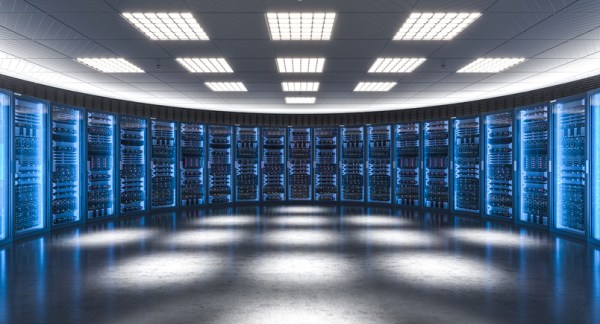
Hybrid cloud architecture is now the default for mature businesses (and many scale-ups). In fact, it’s arguably fair to say that hybrid cloud architecture is the foundation for 2026 IT (and probably IT well beyond that). With that in mind, here are 10 trends shaping infrastructure decisions.
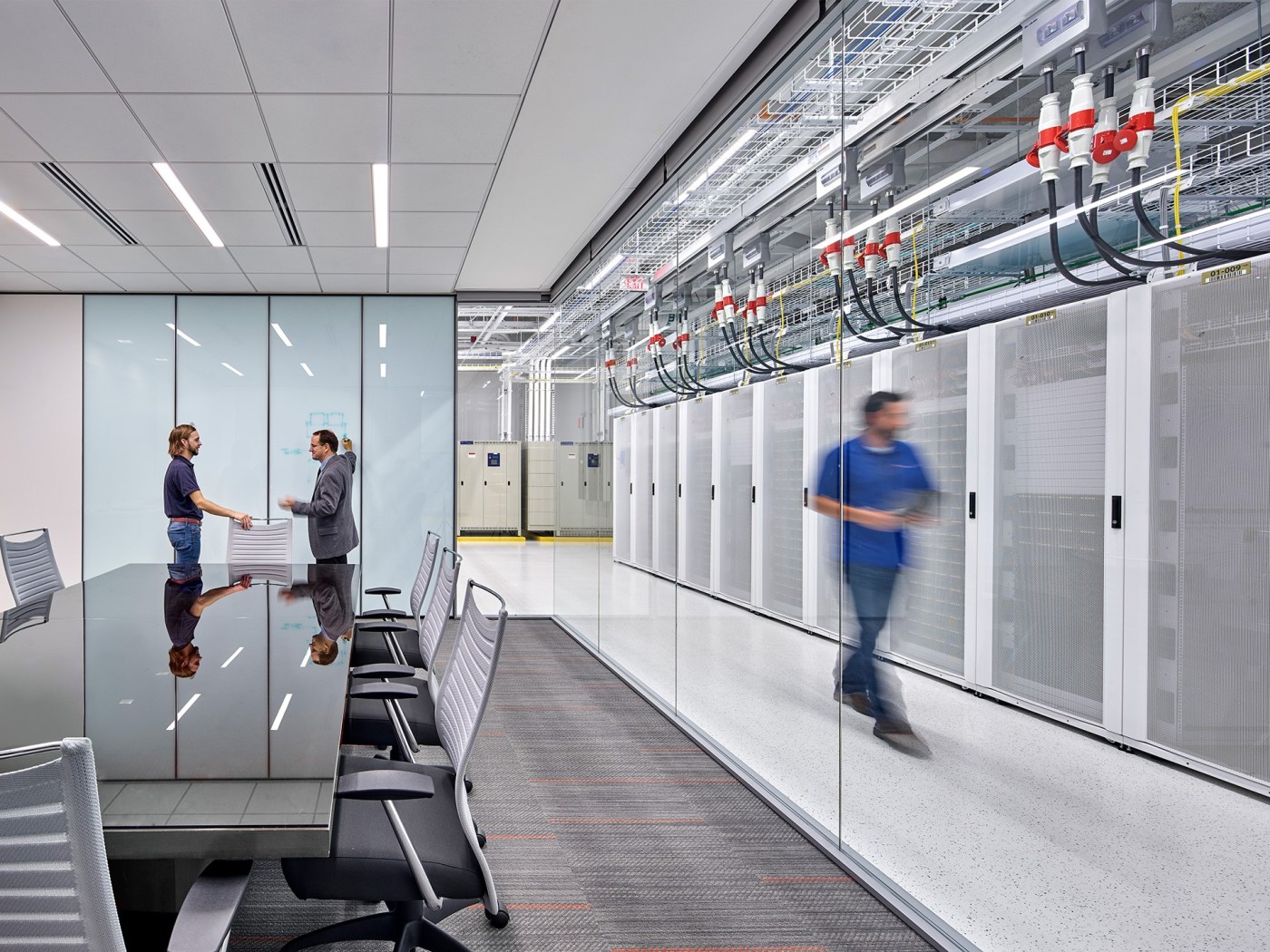
Discover the DataBank Difference today:
Hybrid infrastructure solutions with boundless edge reach and a human touch.
Tell us about your infrastructure requirements and how to reach you, and one of our team members will be in touch shortly.
Can’t see the form? Click here.
Let us know which data center you'd like to visit and how to reach you, and one of our team members will be in touch shortly.
Can’t see the form? Click here.
Enjoying our resource? Get the latest news and articles delivered straight to your inbox.
Can’t see the form? Click here.
Can’t see the form? Click here.