LATEST NEWS

DataBank and Goodman Group Partner to Open Los Angeles Data Center. Read the press release.

DataBank’s Minneapolis Carrier Hotel Data Center:  the Easy Alternative for Carrier Selection and Low-Latency Performance
  • DataBank
  • Resources
  • Blog
  • DataBank’s Minneapolis Carrier Hotel Data Center:  the Easy Alternative for Carrier Selection and Low-Latency Performance
DataBank’s Minneapolis Carrier Hotel Data Center:  the Easy Alternative for Carrier Selection and Low-Latency Performance

DataBank’s Minneapolis Carrier Hotel Data Center:  the Easy Alternative for Carrier Selection and Low-Latency Performance

  • Updated on March 28, 2024
  • /
  • 3 min read

Minneapolis Area Technology is Driven by DataBank Carrier Hotel

Minneapolis is a bustling scientific research, healthcare, and financial center. It claims the largest economy in the Midwest region behind Chicago. Additionally, it is a key player in the technology ecosystem supporting these industries is the DataBank MSP2 East Twin Cities Data Center, located in the city of Eagan.

Along with three other DataBank data centers in greater Minneapolis, MSP2 meets the demand for colocation services—driven by Fortune 500 companies in the Twin Cities area that include United Health Group, Target, Best Buy, Supervalu, and 3M.

As a carrier hotel data center, MSP2 delivers five key benefits to DataBank customers:

  • Fast Delivery: Quick installation intervals that speed time-to-market for new services
  • Carrier Selection: A diverse range of telecommunications service providers
  • Low-Latency Performance: Direct access to carrier backbones
  • Arbitrage Costs: Competition among carriers drives down customer connectivity pricing
  • Scalability: Flexibility to select carriers without physically moving equipment to another data center
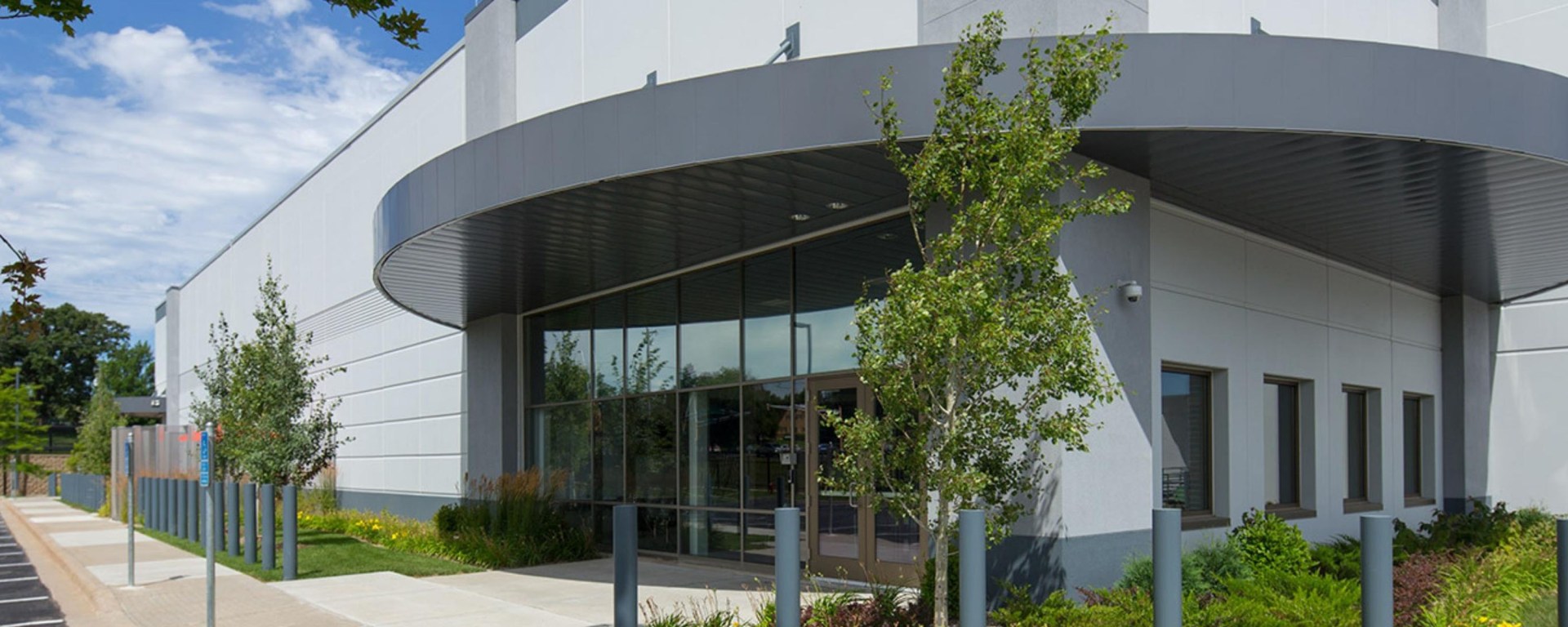
MSP2 – 3255 Neil Armstrong Boulevard, Eagan, MN  

MSP2 is just 20 minutes southeast of Minneapolis in a carrier hotel known to enterprise customers as the “easy alternative” in contrast to another carrier hotel in downtown Minneapolis. Accordingly, as the second carrier hotel serving the Twin Cities region, the MSP2 data center leverages Eagan’s dense concentration of high-performance fiber. The facility is FedRAMP certified and offers 100% renewable power along with a dedicated DataBank cloud node.

A major reason why DataBank decided to open MSP2 in this strategic location is AccessEagan—the 17-mile open-access wholesale fiber network owned by the city of Eagan. The network offers connectivity and fully-scalable, high-speed bandwidth up to 10 Gbps throughout the central portions of Eagan. The network also provides a fiber infrastructure available to any telecommunications provider serving businesses in the area.

MSP2 delivers co-location services to more than 100 enterprise customers. In addition to AccessEagan, carriers include Zayo, AT&T, Cogent Communications, Comcast, Lumen, Megaport, Verizon, and Windstream.

Through MSP2, DataBank also provides interconnectivity to three DataBank data centers in Minneapolis via 1G MPLS and 10G WAVE. In addition, MSP2 features MPLS connectivity to 13 DataBank data centers in other U.S. metros, including Atlanta, Dallas, Kansas City, Salt Lake City, and Ashburn in northern Virginia. Peering occurs directly within MSP2 via the Midwest Internet Cooperative Exchange.

Free Cooling Most of the Year

With a notably high standard of living, Twin Cities is fueling entrepreneurial growth. To meet the area’s compute resource needs, MSP2 East Twin Cities utilizes high-efficiency, air-side and water-side economizers to bring free cooling to data center customers nine months out of the year. The area’s geography also promises reduced risk of natural disaster events. This makes Minneapolis one of the safer markets to colocate mission-critical workloads.

Look for MSP2 and other carrier hotels in DataBank’s portfolio of data centers on the interactive map on this website’s home page. You can also check below for related resources.

Related Resources

DataBank’s Salt Lake City Carrier Hotel Data Center: Expanded Compute Resources & Enhanced Connectivity to Drive Data Science Initiatives
DataBank’s Pittsburgh Carrier Hotel Data Center: Driving Innovation for High-Performance Computing Clusters
DataBank’s Denver Carrier Hotel Data Center: A Key Player in a Critical U.S. Connectivity Hub
DataBank’s NYC and Newark Carrier Hotel Data Centers: Connections to Every Corner of the World
DataBank

Sign Up For Our Resource Library

Enjoying our resource? Get the latest news and articles delivered straight to your inbox.

Can’t see the form? Click here.


Share Article


Popular Categories
Frequently Asked Questions


  • What makes Minneapolis a strategic data center market?
    Minneapolis serves as the connectivity hub for the upper Midwest, with strong fiber routes to Chicago, the Dakotas, and Canada, plus an emerging cloud presence and growing carrier ecosystem. For enterprises serving regional markets or seeking diversity from major hubs, Minneapolis offers a compelling combination of lower cost, strong connectivity, and reduced disaster recovery overlap with Eastern or Coastal metros. The metro punches above its weight for specific use cases.
  • What is a carrier hotel and why does it matter?
    A carrier hotel is a data center facility specifically designed and optimized for high carrier density, typically housing dozens of network providers in a single building. The concentration creates network effects where every additional carrier increases the value of the facility to tenants. For enterprises that need access to many carriers from a single footprint, carrier hotels are the most efficient option.
  • How does Minneapolis compare to other regional data center markets?
    Minneapolis offers cost advantages over coastal metros, strong connectivity to Midwest population centers, and growing cloud presence, while being far enough from major hubs to provide disaster recovery diversity. It is less expensive than Chicago, less cloud-dense than Northern Virginia, but better positioned for regional traffic than either. The right choice depends on which specific advantages matter most for your workloads.
  • What workloads benefit most from a Minneapolis colocation footprint?
    Regional businesses serving Midwest markets, disaster recovery sites for East Coast operations, workloads requiring connectivity to Canadian markets, and any deployment seeking strong connectivity at lower cost than tier-one metros all benefit. Minneapolis also serves financial services, healthcare, and logistics companies headquartered in the region. The metro's specific industry concentrations create connectivity opportunities not available elsewhere.
  • What should we look for in a Minneapolis colocation provider?
    Evaluate the depth of carrier ecosystem present in the facility, the quality of cross-connect operations, the proximity to major fiber routes serving the region, and the provider's track record of expanding capabilities over time. Carrier hotel facilities with active investment programs continue to grow in value, while static facilities can stagnate. The provider's investment trajectory matters as much as their current capabilities.

Get Started

Discover the DataBank Difference today:
Hybrid infrastructure solutions with boundless edge reach and a human touch.