![Best Practices of Colocation Data Center Security [Tips for 2024]](https://www.databank.com/wp-content/uploads/2022/12/Colo-Chilled-Door-2019_09_09_GenDat18_A.jpg?w=1920)
![Best Practices of Colocation Data Center Security [Tips for 2024]](https://www.databank.com/wp-content/uploads/2022/12/Colo-Chilled-Door-2019_09_09_GenDat18_A.jpg?w=600)
Summarize with:
read in < 1 min


Choosing the right colocation facility to host your servers and equipment can be difficult. A major factor you want to thoroughly investigate is the facility’s security.
Implementing layered security controls in colocation data centers reduces unauthorized access incidents by over 50%, enhancing physical and cyber protection.
If you don’t know what to look for when trying to ensure the security of your data and equipment while utilizing colocation services, you have come to the right place. In this list, we identify some best practices that companies should look for when choosing a colocation provider.
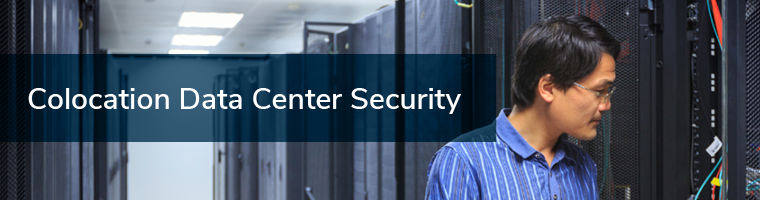
A colocation facility is a physical space where multiple companies store their servers and networking equipment. So, the first step in its security plan is establishing measures for physical security.
Some of the best measures for data center physical security include:
The implementation of many security measures is best as it results in a multi-layered security perimeter. It also offers several security checks that are distributed throughout its layers and segments, enabling multiple opportunities for threat detection.
A secure data and network is another thing to look for in a good colocation facility that’s capable of deterring breaches. A secure infrastructure should have:
Network and data security protocols should be able to identify risks in the systems and prevent them. Colocation providers should also have protocols that restrict remote access to a few trusted devices and IP addresses. When users are in transit, they should have access to secure virtual private networks (VPNs) that encrypt data.
Colocation facilities must have redundant data backups and secondary infrastructure built into their security systems. These backups can save providers and their clients a lot of time and money while reducing the work involved in restoring systems that have been compromised by cyberattacks.
Redundant data backups include multiple copies of the data. This ensures you have plenty of reliable backups in case some of the backups were created after a data breach.
Secondary infrastructure refers to backup generators, ventilation, cooling systems, and other systems used at the colocation facility. Having a backup of these is essential to avoid downtime in case an attack or an emergency occurs at the facility.
Data center network segmentation is a useful strategy for minimizing damage in the face of an attack. It entails dividing the network and isolating each segment independently.
This makes it harder for hackers to access the entire network in one attempt. The more time it takes for hackers to access the network, the more time the facility has to mitigate the risk.
Any good colocation facility should deploy a zero-trust security system that requires constant monitoring at every level. This means ensuring all authorized visitors and activities are tracked whether they’re inside or outside the perimeter.
The second half of the strategy is constant testing to ensure any vulnerabilities in the data center security are minimized and addressed. Testing involves regular security drills to find vulnerabilities in the virtual and physical security systems.
Expect future security regimes to integrate real-time adaptive security models, combining NIDS/IPS with AI‑driven anomaly detection and micro‑segmentation. Fraud‑resilient infrastructure will enforce dynamic policies.
Security personnel and technicians make up a huge part of how well security measures are executed. So, they should have the right training for their daily responsibilities and the ability to mitigate unforeseen risks.
For starters, they should have all the standard industry training and certifications. Secondly, they need to have adequate experience in working with penetration testers who will try to talk their way into the facility.
Hackers are in the habit of finding vulnerabilities before data center providers simply because it’s a major part of their work. While continuous testing and monitoring help to some extent, they can become a lot of work, especially when vulnerabilities increase.
Thankfully, new upgrades in hardware and software are regularly developed and made available to data center providers. These upgrades include features that address security and functional concerns in previous products.
Therefore, a secure colocation facility should always ensure that its systems are updated as soon as the latest patches become available.
Ensuring the presence of these precautions and preventive measures in colocation facilities means additional time and effort on your part but it’s due diligence that pays off. After all, your data, security, and privacy are at stake. In the end, it’s always better to be wary of risks before the damage is done than to try to redress the situation later.
Related Resources:
Colocation 101: A Complete Guide [What it is, Types, Features, How it Works, Benefits]

Sign Up For Our Resource Library
Enjoying our resource? Get the latest news and articles delivered straight to your inbox.
Can’t see the form? Click here.
Share Article
Popular Categories
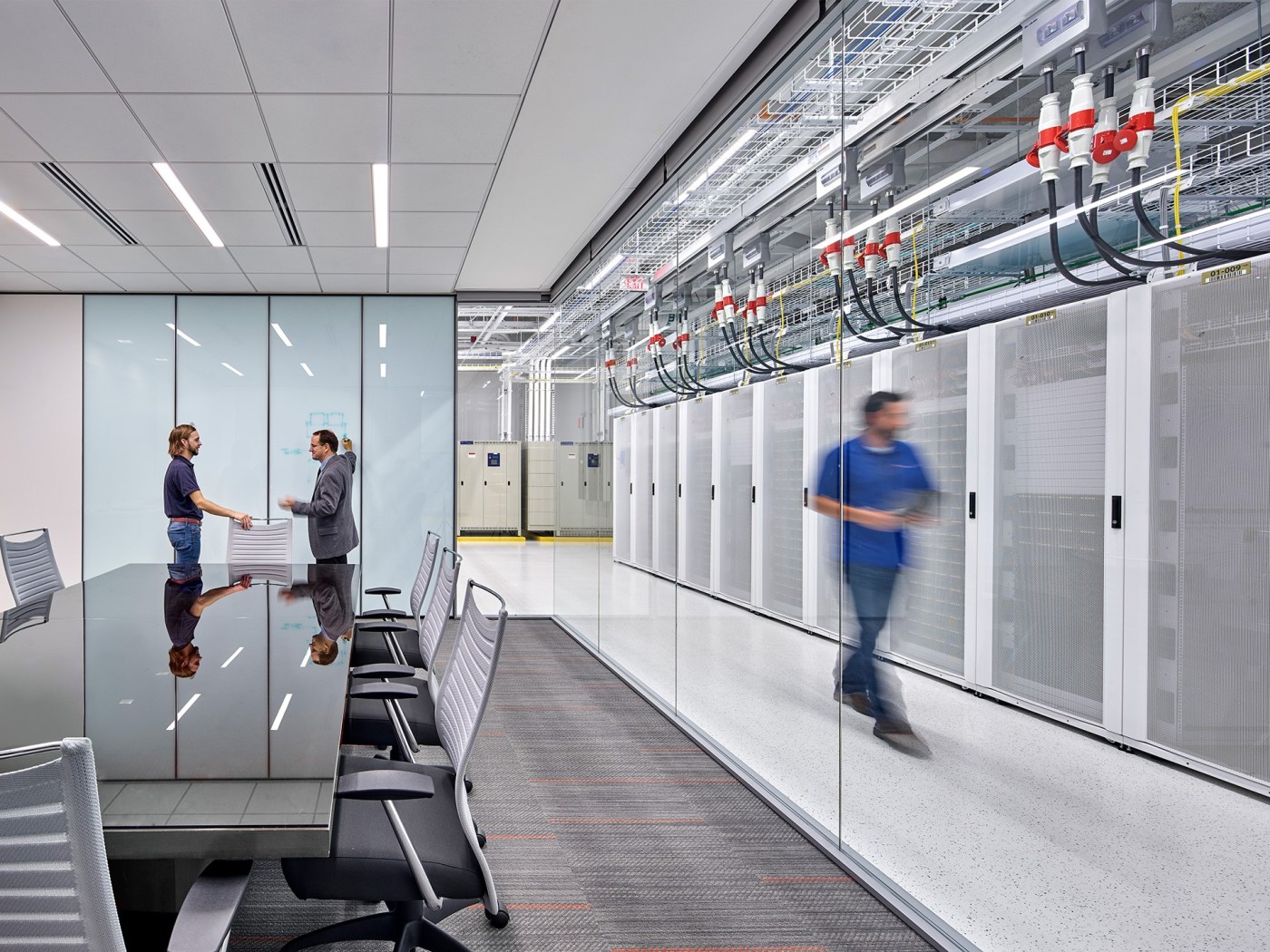
Discover the DataBank Difference today:
Hybrid infrastructure solutions with boundless edge reach and a human touch.
Tell us about your infrastructure requirements and how to reach you, and one of our team members will be in touch shortly.
Can’t see the form? Click here.
Let us know which data center you'd like to visit and how to reach you, and one of our team members will be in touch shortly.
Please understand that we might not be able to accommodate every request for a physical data center tour.
Please allow a minimum of 24-48 hours for a response.
Can’t see the form? Click here.
Enjoying our resource? Get the latest news and articles delivered straight to your inbox.
Can’t see the form? Click here.
Can’t see the form? Click here.