

Summarize with:
read in < 1 min


High-performance computing (HPC) is becoming key to the operations of many industries. As a result, it’s becoming increasingly important for data centers to be able to support HPC implementations. With that in mind, here is a straightforward guide to how Chicago data centers support high-performance computing (HPC).
High-performance computing (HPC) is the strategy of using exceptionally powerful computing resources for tasks that are beyond the capability of regular computers. It can be based on supercomputers or computer clusters.
As their name suggests, supercomputers are single computers with a vast amount of processing power. This is typically delivered by using multiple processors operating in parallel. (Multiple can mean thousands). The processing power is backed by complementary resources of a similar grade, for example, memory, storage, and networking.
Supercomputers are typically custom-built for a particular task. This means they can be optimized for that task and, hence, deliver the highest levels of performance when used for that purpose.
Computing clusters are groups of computers that use a distributed processing software framework to enable them to work essentially as a team. The computers used in computing clusters tend to be powerful by general standards. Individually, however, they are not remotely comparable to supercomputers.
The fact that clusters typically use standard hardware configurations means that they are unlikely to deliver optimum performance for any particular task. They are, however, much more scalable than supercomputers. They also have more flexibility, including the ability to be used for tasks other than high-performance computing.
Here are just 7 of the main benefits of HPC in business innovation.
HPC enables businesses to simulate, test, and refine products rapidly, reducing the need for costly physical prototypes. Industries like automotive, aerospace, and pharmaceuticals use HPC to speed up design cycles and bring products to market faster.
HPC allows businesses to deliver highly personalized products, services, and experiences by processing vast amounts of individual customer data quickly. Industries like e-commerce, entertainment, and healthcare use HPC to tailor offerings in real-time, boosting customer satisfaction, loyalty, and revenue growth in competitive markets.
HPC allows companies to process and analyze massive datasets quickly. This capability is vital for industries like finance, retail, and healthcare, where real-time insights into customer behavior, market trends, or medical data can create a competitive advantage.
By running complex simulations and predictive models, businesses can make more informed, data-driven decisions. HPC supports risk modeling, forecasting, and scenario analysis, helping leaders act confidently in rapidly changing environments.
HPC-powered simulations allow businesses to explore new ideas and test “what-if” scenarios without the risks and costs of real-world experiments. This drives innovation in fields like material science, energy, and biotechnology.
HPC systems, especially when integrated with cloud services, offer scalable resources. Businesses can ramp up computing power for demanding projects without investing in permanent infrastructure, making innovation more accessible and cost-effective.
By leveraging HPC, businesses can outperform competitors through faster innovation cycles, better customer experiences, and superior product performance, ensuring long-term market leadership.
Demand for HPC is high in Chicago, so data centers make it a priority. Here are just 7 examples of how Chicago data centers enable HPC.
Chicago facilities maintain strict physical and cyber security, which enables them to achieve and maintain a range of compliance certifications (e.g., HIPAA, SOC 2, GDPR-Privacy Shield). This means they are able to protect sensitive HPC workloads, including those containing personally identifiable data.
Chicago data centers are equipped with cutting-edge hardware, including high-speed processors, GPUs, and specialized networking equipment. This infrastructure supports parallel processing and rapid data movement essential for HPC workloads.
These data centers offer extensive access to fiber-optic networks, internet exchanges like DE-CIX Chicago, and direct cloud on-ramps. This ensures fast, reliable communication between systems, a critical factor for HPC operations involving large datasets.
Chicago’s central location in the U.S. provides low-latency connections to major cities and research institutions nationwide. This proximity reduces data travel time, improving performance for distributed computing tasks and real-time analytics.
High-performance computing requires massive amounts of power and efficient cooling. Chicago data centers deliver scalable energy solutions and advanced cooling technologies, maintaining system stability under the heavy demands of HPC.
Many Chicago data centers offer hybrid solutions combining colocation, private cloud, and direct cloud access. This flexibility allows organizations to scale HPC resources quickly while optimizing costs.
Chicago’s strong network of universities, tech companies, and research institutions fosters continuous innovation in HPC. Access to skilled engineers, data scientists, and researchers allows data centers to collaborate on advanced projects, adopt the latest technologies, and maintain leadership in high-performance computing solutions.

Sign Up For Our Resource Library
Enjoying our resource? Get the latest news and articles delivered straight to your inbox.
Can’t see the form? Click here.
Share Article
Popular Categories
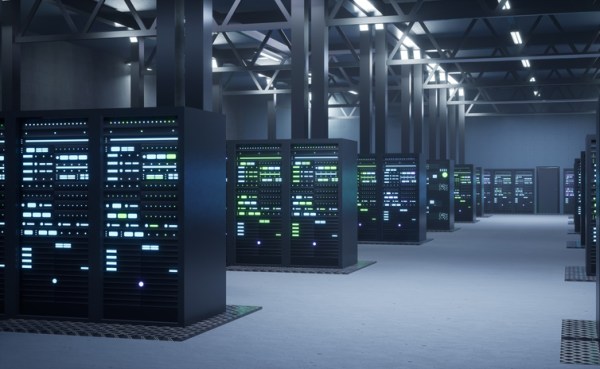
Discover why Chicago is a prime location for data centers. Find out why to choose Chicago for your data center needs. Learn about the key advantages of hosting in Chicago. Explore the infrastructure and connectivity in Chicago. Gain an understanding of how Chicago data centers can serve your business in this helpful guide.
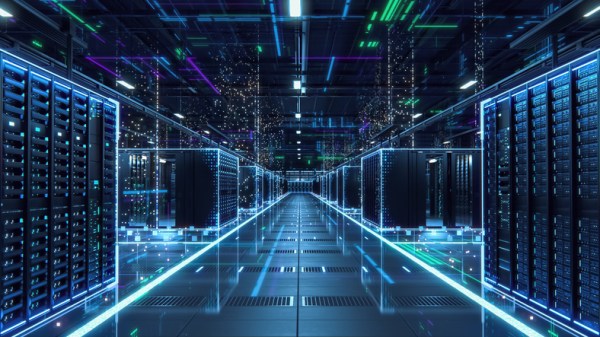
Explore the future of data centers in Chicago and the trends to watch. Gain an understanding of the role of innovation in data center evolution. Learn about emerging trends in data centers. Discover what’s next for Chicago’s data centers. Take a look at the future today in this straightforward guide.
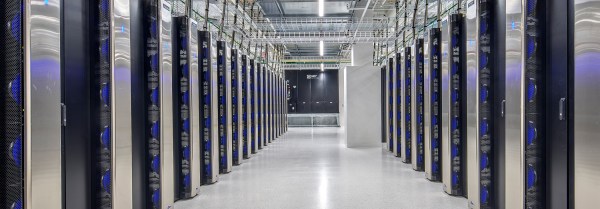
An HPC data center is a facility designed to house and manage large-scale computing systems. These data centers typically feature specialized hardware, software, and networking infrastructure to enable high-speed data processing and storage. They also have advanced security and redundancy measures to ensure data integrity and availability.
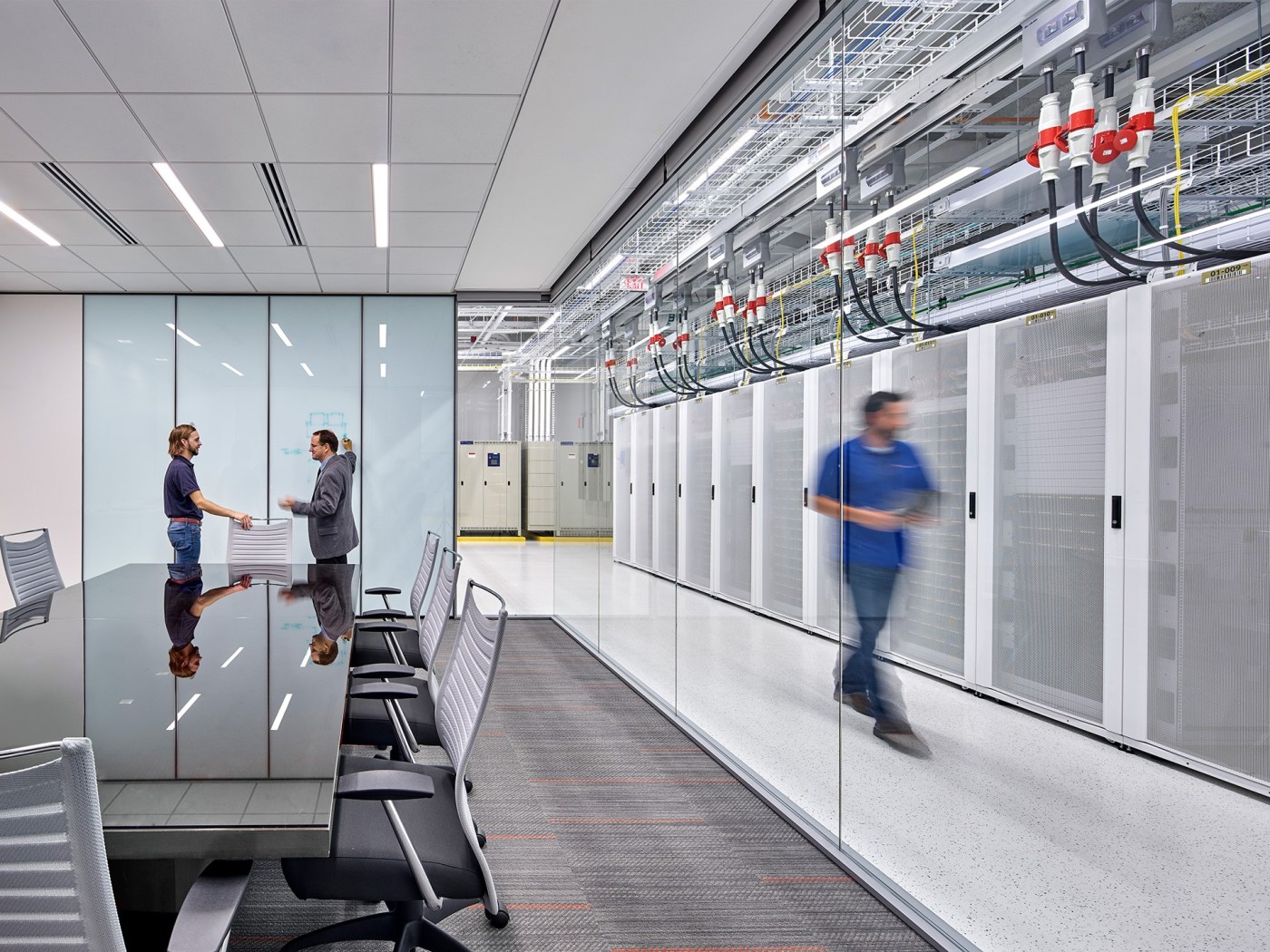
Discover the DataBank Difference today:
Hybrid infrastructure solutions with boundless edge reach and a human touch.
Tell us about your infrastructure requirements and how to reach you, and one of team members will be in touch shortly.
Can’t see the form? Click here.
Let us know which data center you'd like to visit and how to reach you, and one of team members will be in touch shortly.
Can’t see the form? Click here.
Enjoying our resource? Get the latest news and articles delivered straight to your inbox.
Can’t see the form? Click here.
Can’t see the form? Click here.