

Summarize with:
read in < 1 min


The volume and potential value of the data held in data centers make them high-value targets for malicious actors, from regular criminals to state-sponsored “hacktivists”. This means that it’s vital for all data centers to have strong defenses. With that in mind, here is a straightforward guide on how to evaluate the security of data centers in Orange County.
Here are five specific reasons why security is critical for data centers.
Protection of sensitive data: Data centers often store confidential information such as customer records, financial data, and intellectual property. Without robust security, this data is vulnerable to breaches, which can lead to identity theft, financial loss, and reputational damage.
Prevention of service disruption: Cyberattacks like Distributed Denial of Service (DDoS) or ransomware can disrupt operations, leading to downtime. For organizations that rely on 24/7 availability, even short outages can result in significant financial and operational consequences. Security measures help ensure continuity and reliability.
Compliance with regulations: Data centers must comply with industry standards and legal frameworks such as GDPR, HIPAA, and ISO 27001. These regulations require stringent security controls to protect data privacy and integrity. Non-compliance can result in heavy fines and legal action.
Avoiding unexpected costs: Security breaches can have a devastating financial impact, from direct costs like ransom payments and recovery expenses to indirect costs like customer churn, lost revenue, and reputational harm. Security is a proactive investment that minimizes these risks.
Support for business reputation: Clients entrust data centers with their critical operations. A single breach can damage trust and deter current and potential customers. Demonstrating strong security practices builds confidence and supports long-term business relationships.
Here are five key security features that are considered standard in Orange County data centers.
Physical security: Orange County data centers utilize layered access control systems to restrict entry. These typically include perimeter fencing, 24/7 armed or trained security staff, mantrap doors, and biometric authentication such as fingerprint or iris scans. Surveillance systems with high-definition CCTV are monitored in real-time and archived for forensic use.
Seismic reinforcement: Due to the region’s proximity to seismic fault lines, data centers in Orange County are built with earthquake-resistant architecture. Raised flooring is often reinforced, and buildings incorporate base isolators or deep anchoring pylons tied into bedrock to maintain structural integrity during tremors.
Environmental controls and fire suppression: HVAC systems are redundant (N+1 or greater), ensuring constant environmental control. Fire detection is handled by Very Early Smoke Detection Apparatus (VESDA) systems. For suppression, pre-action dry pipe systems are standard, often with inert gas-based clean agent systems that extinguish fires without damaging sensitive hardware.
Cybersecurity: Standard cybersecurity features include dedicated firewalls, intrusion detection and prevention systems (IDS/IPS), DDoS mitigation services, and 24/7 Security Operations Center (SOC) support. Many data centers also implement network segmentation and regularly perform vulnerability assessments to proactively address risks.
Redundant infrastructure: Orange County data centers typically implement redundant power and network infrastructure to minimize the chance of failures (accidental or induced). Some facilities can generate power on-site from renewables. Moreover, Orange County data centers have robust business continuity and disaster recovery protocols.
DataBank implements a comprehensive range of measures to ensure data center security. Here are just five examples of what that means in practice.
Dual-factor authentication and mantrap entry systems: Access to DataBank’s Irvine facilities requires dual-factor authentication, including biometric verification (typically fingerprint or iris scans) and secure access cards. Entry points are protected by mantrap portals (two interlocking doors) that prevent tailgating and hence ensure only one person enters a secured area at a time.
24/7/365 on-site security staff: Both Irvine locations maintain a full-time security presence. Trained personnel continuously monitor the premises, manage visitor access, and respond to incidents in real-time. This human layer adds accountability and rapid intervention capability beyond automated systems.
Continuous CCTV surveillance: Interior and exterior areas are monitored via high-definition CCTV systems. These cameras operate 24/7, with footage stored securely for audit and investigative purposes. Strategic placement ensures coverage of all access points, server rooms, and common areas.
Intrusion detection and environmental alarms: DataBank’s facilities use real-time intrusion detection systems, including door sensors, motion detectors, and alarms integrated with security personnel dashboards. These systems are paired with environmental monitoring tools that detect changes in temperature, humidity, and airflow, indicators of potential tampering or failure.
Visitor management and logging systems: All visitors are required to pre-register and present valid ID upon arrival. They are escorted at all times and logged electronically, creating a traceable audit trail. Access is restricted by role and location to prevent exposure to non-essential systems.

Sign Up For Our Resource Library
Enjoying our resource? Get the latest news and articles delivered straight to your inbox.
Can’t see the form? Click here.
Share Article
Popular Categories
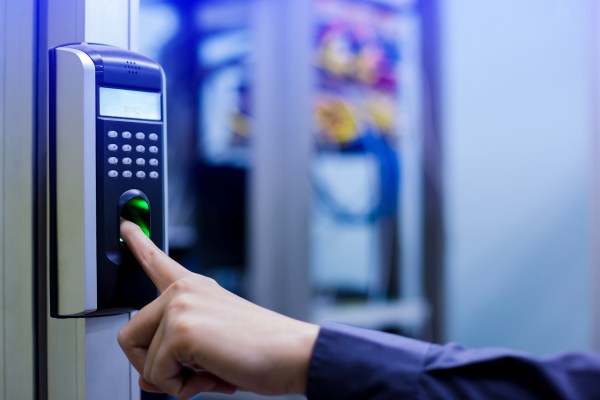
Modern data centers typically hold vast quantities of data (big data). This will generally include personal data and highly sensitive business data. Probably at least some of this data will be required for critical applications. This means that security has to be a top consideration for all modern data centers.

Discover how to scale your IT infrastructure with Orange County data centers. Get an answer to the question “What is scalability in data centers?” and an understanding of why it matters. Find out how Orange County data centers enable scalability. Learn the factors to consider when choosing the right scalable infrastructure.

Discover the advanced security measures offered by data centers to protect infrastructure and data against a variety of threats, including deliberate attacks. Find out about physical, network, and data security and the comprehensive range of security measures regularly deployed in each of these areas.
Discover the DataBank Difference today:
Hybrid infrastructure solutions with boundless edge reach and a human touch.
Tell us about your infrastructure requirements and how to reach you, and one of team members will be in touch shortly.
Can’t see the form? Click here.
Let us know which data center you'd like to visit and how to reach you, and one of team members will be in touch shortly.
Can’t see the form? Click here.
Enjoying our resource? Get the latest news and articles delivered straight to your inbox.
Can’t see the form? Click here.
Can’t see the form? Click here.