Summarize with:
read in < 1 min


Buying data center services is often more cost-effective than running an in-house data center. It does, however, require businesses to budget effectively for the services they require. With that in mind, here is a straightforward guide to the cost of data center services in Orange County so you know what to expect.
Although there are multiple data center pricing models, at a high level, they all come into one of two categories. These are subscription-based pricing and on-demand pricing.
Subscription-based pricing is where a vendor offers a certain level of service for a guaranteed price. The combined value of the services offered is higher than the cost of buying these services individually. How much higher typically depends on the nature of the contract.
As a rule of thumb, the more of a commitment a customer makes to a vendor, the more of a benefit they can expect in return. This means that customers who sign up for long-term contracts typically receive more value than customers on short-term contracts. Likewise, high-volume customers get more than low-volume customers.
Subscription-based pricing can provide excellent value for money, but only if businesses actually use all (or at least most) of the services included in the subscription. This is why subscription-based pricing tends to be most appropriate for core services (i.e., services that a business knows it is definitely going to need).
Also known as pay-as-you-go pricing, on-demand pricing is what vendors charge when customers want (or need) a service without any commitment. This is typically when they need to scale up operations for a temporary, but indefinite, period.
Offering this high level of flexibility is challenging for vendors. As a result, on-demand pricing tends to be noticeably higher than subscription-based pricing. It is therefore best kept as a backup and/or short-term option.
When evaluating data center pricing, it can be helpful to know what factors affect data center costs. Here is an overview of the five main ones.
The cost of land and facilities varies by region. In Orange County, high real estate prices and limited available space can significantly increase the cost of building or leasing a data center compared to other regions with lower property values.
Data centers require substantial electricity for servers and cooling systems. In Orange County, energy costs are higher than the national average, and meeting sustainability requirements may necessitate investment in renewable energy sources or efficiency improvements, further impacting costs.
The quality and scale of IT infrastructure, including servers, networking hardware, and storage, directly affect costs. High-performance systems with redundancy and security features drive up expenses, and in areas like Orange County, compliance with seismic standards may require additional structural reinforcements.
Data centers must adhere to local and federal regulations, including environmental policies, cybersecurity standards, and industry-specific requirements (e.g., HIPAA or PCI DSS). In California, stricter environmental and labor regulations can add compliance costs compared to other states.
Skilled IT personnel, security staff, and maintenance workers contribute to ongoing expenses. Orange County has a competitive job market with higher wages for tech professionals and increasing labor costs for data center operations.
Here are 7 key factors to consider when budgeting for your data center needs.
Decide whether to invest in building your own facility (capital expenditure) or opt for colocation or cloud services (operational expenditure). Owning a data center requires significant upfront investment, while leasing or cloud solutions spread costs over time.
Consider expenses related to real estate, power, cooling, and networking infrastructure. These costs vary by location, with higher prices in urban areas. If redundancy and high availability are priorities, expect additional infrastructure expenses.
Plan for future expansion by budgeting for additional server capacity, storage, and networking equipment. A flexible infrastructure ensures cost efficiency as business needs evolve.
Budget for physical and cybersecurity measures, including firewalls, encryption, access controls, and compliance audits. Industry regulations (e.g., HIPAA, PCI DSS, or SOC 2) may require additional investment in security controls.
Power consumption is a major ongoing cost. Factor in energy-efficient technologies, alternative energy sources, and cooling innovations to reduce operational expenses.
Allocate funds for IT personnel, facility maintenance, and system upgrades. Skilled labor, particularly in high-cost regions, can significantly impact the budget.
Ensure budget coverage for backup systems, redundancy, and disaster recovery solutions, such as Disaster Recovery as a Service (DRaaS), to mitigate downtime and data loss risks.

Sign Up For Our Resource Library
Enjoying our resource? Get the latest news and articles delivered straight to your inbox.
Can’t see the form? Click here.
Share Article
Popular Categories
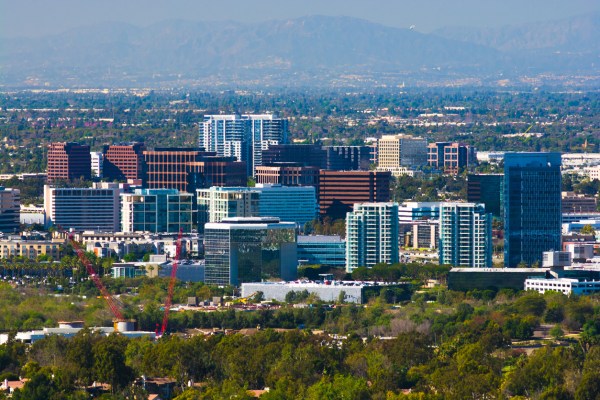
Discover how to scale your IT infrastructure with Orange County data centers. Get an answer to the question “What is scalability in data centers?” and an understanding of why it matters. Find out how Orange County data centers enable scalability. Learn the factors to consider when choosing the right scalable infrastructure.
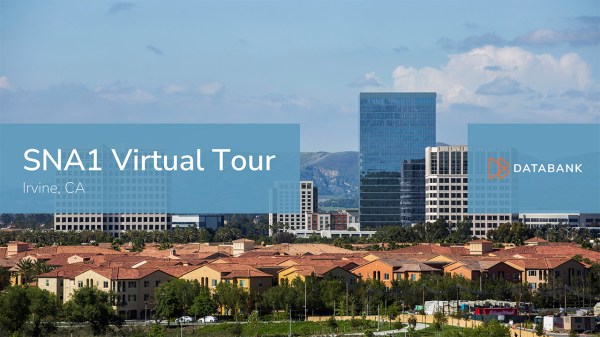
SNA1, Irvine's top-tier data center, offers 36,000 sq ft of space, N+1 power, and 13 carriers. Experience unmatched security and full compliance with industry standards.
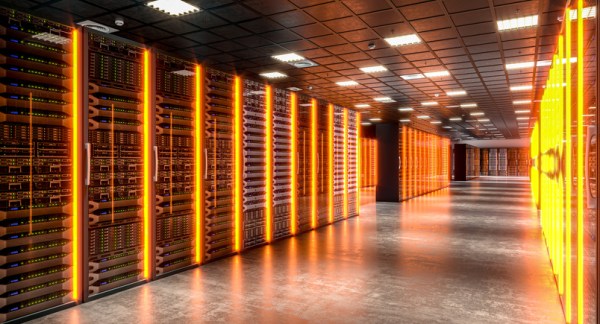
Discover why enterprises trust DataBank’s Orange County data centers to deliver unmatched performance, ironclad security, and seamless cloud integration. Explore how these cutting-edge facilities provide the reliability, compliance, and scalability modern businesses need to thrive in today’s digital landscape.
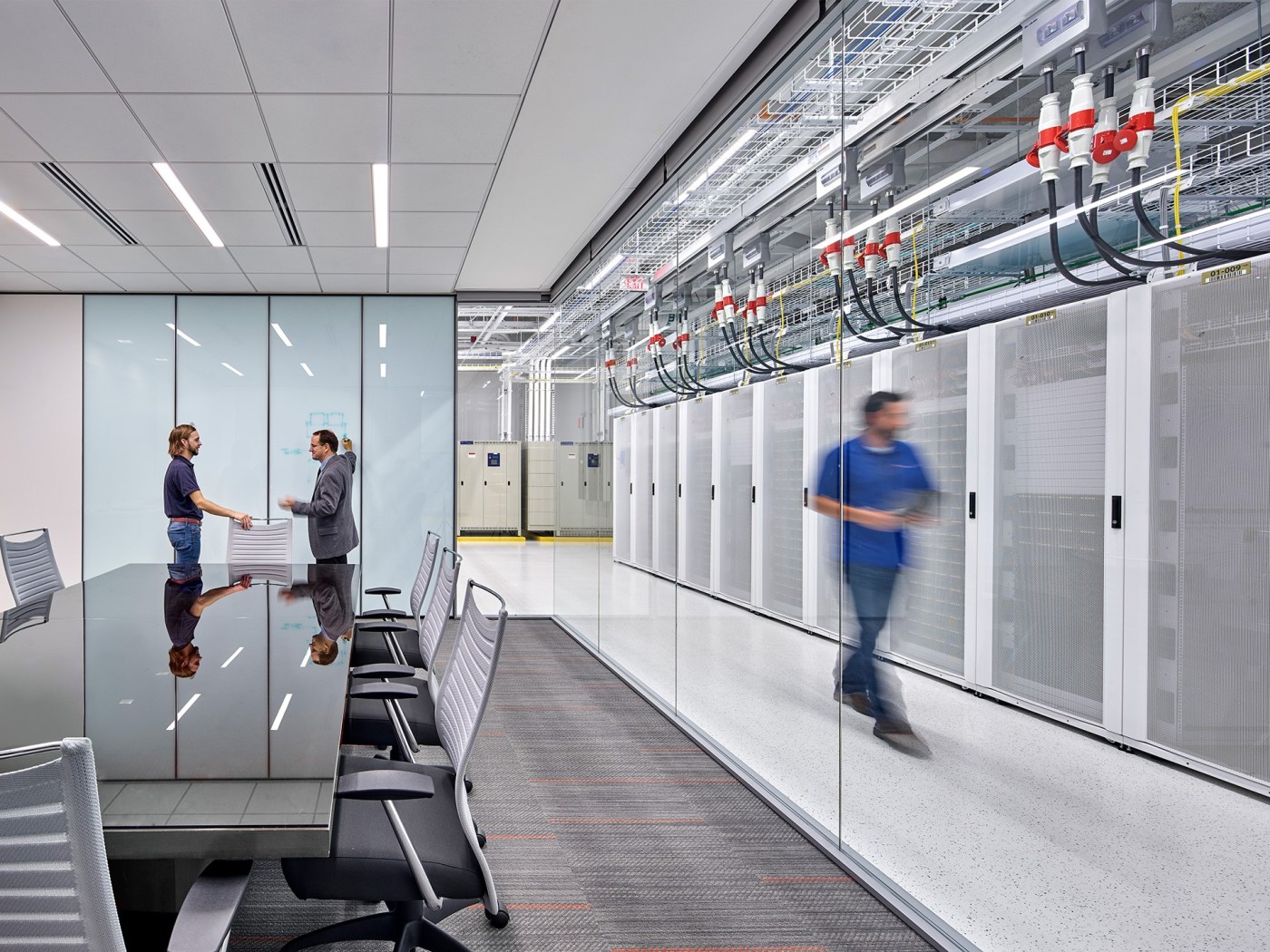
Discover the DataBank Difference today:
Hybrid infrastructure solutions with boundless edge reach and a human touch.
Tell us about your infrastructure requirements and how to reach you, and one of team members will be in touch shortly.
Can’t see the form? Click here.
Let us know which data center you'd like to visit and how to reach you, and one of team members will be in touch shortly.
Can’t see the form? Click here.
Enjoying our resource? Get the latest news and articles delivered straight to your inbox.
Can’t see the form? Click here.
Can’t see the form? Click here.