

Summarize with:
read in < 1 min


Service level agreements (SLAs) are the contractual commitments that define the uptime and performance a data center provider guarantees. This guide explains what SLAs are, their key components, and the five most common SLAs you’ll encounter in a data center.
One of the key business benefits of using data center services (such as colocation) is that they generally offer a guaranteed level of service. To gain maximum value from these guarantees, however, businesses need to ensure that their SLAs are both clear and robust. With that in mind, here is an overview of what you need to know about data center SLAs.
A Service Level Agreement, or SLA, is the contractual guarantee a data center provider makes about uptime, performance, and support response times. It is one of the most important documents to scrutinize before signing any hosting contract. In the data center world, uptime SLAs are expressed as a percentage: 99.9% means your service can be down up to 8.7 hours per year, while 99.999% (the ‘five nines’ standard) allows only 5.26 minutes of downtime annually. For US businesses running revenue-generating applications or serving customers 24/7, even an hour of downtime can mean tens of thousands of dollars in lost revenue and damaged reputation. This makes SLA terms a business-critical consideration. Beyond uptime, strong SLAs also cover network latency guarantees, power redundancy standards (N+1 or 2N configurations), mean time to repair (MTTR), and escalation procedures for critical incidents. Equally important: understand the remedies. Most SLAs offer service credits for outages that breach the agreement, but those credits are often capped at a small percentage of monthly fees. Before signing, ask providers how SLA credits are calculated, how outages are measured, and whether planned maintenance windows count against uptime guarantees.
Service Level Agreements (SLAs) in data center environments are formal contracts between service providers and clients that define the expected level of service, specifically detailing the performance metrics that the provider is obligated to meet.
Data center SLAs are evolving to include automated, AI‑driven performance assurance, blockchain-based auditability, and even sustainability metrics. The future will bring dynamic, personalized SLAs that adapt in real time.
Here are the 7 key components of SLAs in data center environments.
Service availability: This component specifies the guaranteed uptime of the data center services, often represented as a percentage. For example, an SLA might guarantee 99.99% uptime, indicating the maximum allowable downtime over a specified period.
Support response time: This defines the maximum time allowed for the service provider to respond to a client’s support request or incident report. Quick response times are essential for minimizing the impact of any issues on the client’s operations.
Resolution time: This metric details the expected time frame within which a reported issue must be resolved. It ensures that problems are not only acknowledged but also addressed promptly to restore normal operations.
Performance metrics: These include specific performance benchmarks such as latency, throughput, and processing speed. They ensure that the data center services operate at an optimal level, meeting the technical needs of the client.
Security measures: This component outlines the security protocols and measures in place to protect the client’s data. It can include details on encryption, access controls, and compliance with industry standards.
Penalties and remedies: This section specifies the consequences for failing to meet the SLA commitments, such as service credits or financial penalties. It serves as an incentive for the provider to adhere to the agreed-upon service levels.
Monitoring and reporting: This involves the mechanisms for tracking and reporting the service performance against the SLA metrics. Regular reports provide transparency and help in identifying areas for improvement.
Here is an overview of the 5 most common SLAs in data centers.
Each of these SLAs addresses a specific aspect of data center service performance, collectively ensuring that the services are reliable, efficient, and meet the technical and operational needs of clients.
Uptime guarantees specify the percentage of time that data center services will be available and operational. For instance, a common uptime guarantee is 99.99%, equating to roughly 52.6 minutes of downtime per year.
This SLA is critical because it directly impacts the reliability of the services provided. High uptime guarantees ensure that businesses can depend on their data center services to be continuously available, minimizing disruptions to their operations and enhancing customer satisfaction.
Support response time guarantees define the maximum time within which the data center provider must respond to a client’s support request or incident report. For example, an SLA might guarantee a response time of 15 minutes for critical issues.
This SLA is crucial because swift responses can significantly reduce the impact of issues, enabling quicker troubleshooting and resolution. Prompt support response times ensure that clients receive immediate attention when problems arise, maintaining the smooth operation of their IT infrastructure.
Issue resolution time specifies the expected duration within which a reported problem must be resolved. An example might be resolving critical issues within four hours.
This SLA is important because it sets clear expectations for how quickly problems will be fixed, reducing prolonged downtimes and mitigating business risks. Ensuring timely resolution of issues helps maintain operational continuity and trust in the data center services.
Data backup and recovery SLAs outline the frequency of data backups and the time frame for restoring data in case of loss. For instance, an SLA might specify daily backups with a recovery time objective (RTO) of one hour.
These SLAs are vital for protecting against data loss and ensuring business continuity. Regular backups and quick recovery times mean that in the event of data corruption or loss, businesses can restore their operations with minimal disruption and/or damage.
Network latency SLAs define the maximum allowable delay in data transmission within the data center network. For example, an SLA might guarantee latency below 10 milliseconds.
This is important for applications requiring real-time data processing and high performance, such as online transaction processing systems or streaming services. Low latency ensures efficient and fast data flow, enhancing the overall performance and responsiveness of applications hosted in the data center.

Sign Up For Our Resource Library
Enjoying our resource? Get the latest news and articles delivered straight to your inbox.
Can’t see the form? Click here.
Share Article
Popular Categories
Strategic, Technical, and Future alignment gives you the best possible data center experience today and tomorrow.

A data center migration is always a significant undertaking. The more you have to move, the more challenging a data center migration becomes. This increases both the risk of something going wrong and the consequences of it happening.

To keep pace with business growth, many companies unintentionally create a hybrid IT infrastructure that adds complexity, costs, and risk. With an intentional, proactive, and well-defined hybrid IT strategy—one that includes on-premises, colocation, private and public cloud hosting options in the data center, plus the right infrastructure partner—companies can achieve the agility, performance, and security that their growing businesses require.
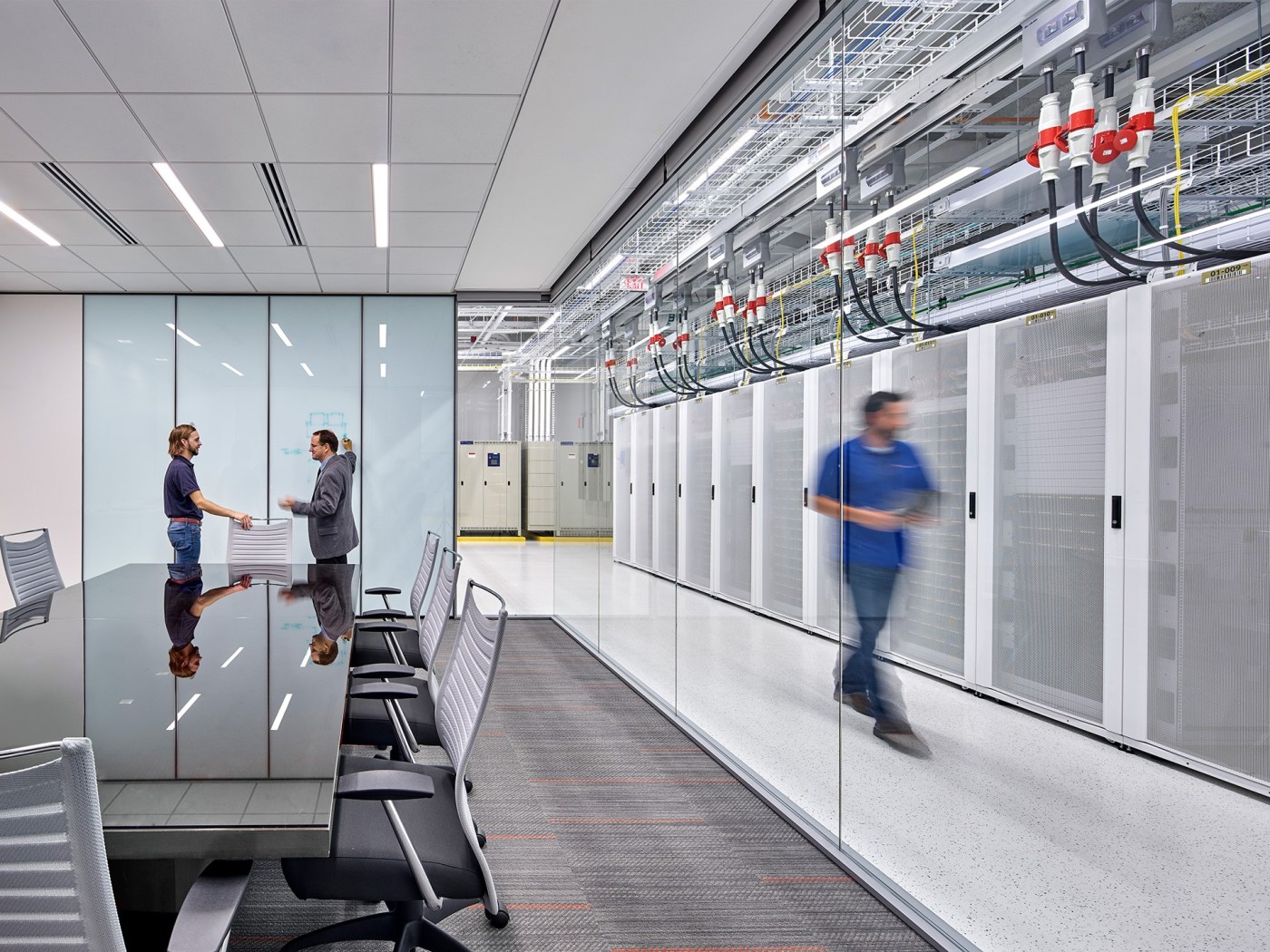
Discover the DataBank Difference today:
Hybrid infrastructure solutions with boundless edge reach and a human touch.
Tell us about your infrastructure requirements and how to reach you, and one of our team members will be in touch shortly.
Can’t see the form? Click here.
Let us know which data center you'd like to visit and how to reach you, and one of our team members will be in touch shortly.
Please understand that we might not be able to accommodate every request for a physical data center tour.
Please allow a minimum of 24-48 hours for a response.
Can’t see the form? Click here.
Enjoying our resource? Get the latest news and articles delivered straight to your inbox.
Can’t see the form? Click here.
Can’t see the form? Click here.