

Loading audio...
The Truth About Data Centers: Why This Conversation is Happening Now
This is the first in a multi-part series separating fact from misinformation in the national debate over data centers. Read the eBook, The Truth About Data Centers, for a deeper look.
Data centers have spent decades as invisible infrastructure, powering nearly everything we do online while attracting almost no public attention.
That era is over. Today data centers are the subject of city council hearings, legislative battles, and front-page headlines. Maine just passed what is expected to become the nation’s first statewide moratorium on large data center construction. Denver enacted its own ban earlier this year. At least 12 other states have bills in active consideration, and more than 100 cities and counties across the country have already taken similar action.
The questions driving that reaction are legitimate, and they deserve straight answers. This series — and our engagement with the communities where we operate — is our attempt to provide them.
Data centers are not a new invention. The concept of centralized computing infrastructure predates the commercial internet. Yet for most people, their relevance became personal much later: when online banking went mainstream in the mid-2000s, when smartphones became universal around 2010, and when the world went remote practically overnight in 2020. Every time you stream a show, check the weather, use GPS to navigate, or place a call to 911, that interaction runs through a data center.
What is new is the scale. AI has fundamentally accelerated demand for this infrastructure, and that acceleration is real and worth taking seriously:
That level of growth has implications for the power grids, water supplies, and the communities where this infrastructure gets built. The concerns being raised are not imaginary, and they deserve a serious look at the facts behind them.
Communities deserve better than headlines built on incomplete information. DataBank’s eBook, The Truth About Data Centers, covers the facts behind the debate in full. Download your copy now.
Many of the specific claims driving the current backlash are incomplete, outdated, or simply wrong. When policy gets made on inaccurate information, communities end up with worse outcomes than they would have gotten from a more honest conversation.
A few examples worth examining:
We’ll cover each of these topics in more detail in the next articles in this series.
Our goal is not to defend the data center industry. It is to give communities, policymakers, and anyone following this debate the clearest possible picture of what these facilities are, what they require, and what they contribute. After all, we live and work in the communities where we operate. These issues affect us and our families as well.
There is a better conversation to be had about data centers than the one currently taking place. We would like to start having it.
The facts behind each of these topics are covered in full in DataBank’s eBook, The Truth About Data Centers. Download it now.
Stay current on the trends and developments shaping the data center industry. Visit DataBank Digest for analysis, insights, and the latest news from the world of colocation and digital infrastructure.

Sign Up For Our Resource Library
Enjoying our resource? Get the latest news and articles delivered straight to your inbox.
Can’t see the form? Click here.
Share Article
Popular Categories

The Truth About Data Centers: a factual response to legitimate concerns: tech demand, power, water, batteries, generators, community impact, and more.

Despite AI hype and unprecedented capital deployment, 2026 will see tighter financing, constrained power, and gradual enterprise adoption as the industry returns to fundamentals.
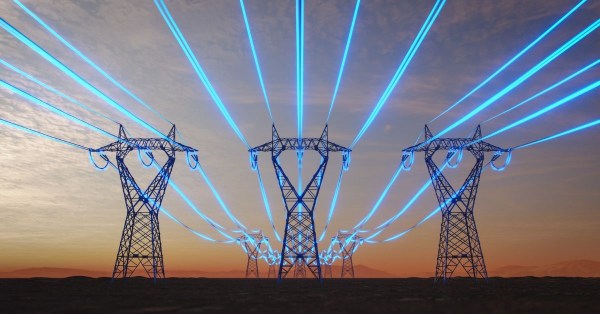
AI data centers' explosive power growth seems alarming, but innovative energy storage, virtual power plants, and grid flexibility solutions are already addressing demand without requiring panic-inducing infrastructure overhauls.
Discover the DataBank Difference today:
Hybrid infrastructure solutions with boundless edge reach and a human touch.
Tell us about your infrastructure requirements and how to reach you, and one of our team members will be in touch shortly.
Can’t see the form? Click here.
Let us know which data center you'd like to visit and how to reach you, and one of our team members will be in touch shortly.
Please understand that we might not be able to accommodate every request for a physical data center tour.
Please allow a minimum of 24-48 hours for a response.
Can’t see the form? Click here.
Enjoying our resource? Get the latest news and articles delivered straight to your inbox.
Can’t see the form? Click here.
Can’t see the form? Click here.