Summarize with:
read in < 1 min


Energy efficiency and sustainability have become top priorities for data centers all over the world. With that in mind, here is a straightforward guide to energy efficiency and sustainability in Orange County data centers.
Energy efficiency in data centers refers to optimizing energy use to deliver computing services while minimizing waste. This involves using advanced cooling systems, energy-efficient hardware, and intelligent workload management to reduce power consumption. Metrics like Power Usage Effectiveness (PUE) help measure efficiency by comparing total energy consumption to the energy used by IT equipment. A lower PUE indicates better efficiency.
Here are five of the main reasons why energy efficiency matters in data centers.
Data centers consume vast amounts of energy, contributing to carbon emissions. Improving efficiency helps reduce the environmental footprint, supporting sustainability goals and compliance with green regulations.
Efficient data centers lower electricity bills by reducing the power needed for servers, cooling, and backup systems. This is crucial as energy costs are one of the largest operational expenses for data centers.
Excessive energy use generates heat, increasing the risk of hardware failures. Efficient cooling and power management enhance system stability, reducing downtime and maintenance costs.
Governments and industry bodies impose energy efficiency standards. Meeting these ensures compliance, avoiding penalties and reputational damage while qualifying for incentives.
Efficient energy use enables data centers to scale without overloading power and cooling systems. This allows businesses to expand services without excessive infrastructure investment.
California as a whole is very focused on sustainability. As you would expect, therefore, Orange County data centers are leading in sustainability. Here are four examples of what that means in practice.
Data centers consume substantial electricity to power servers and cooling systems, contributing to greenhouse gas emissions. To address this, Orange County data centers are investing in energy-efficient technologies, such as advanced cooling systems and energy-efficient hardware, to reduce electricity usage and associated emissions. Additionally, many are transitioning to renewable energy sources by installing on-site solar panels or purchasing renewable energy credits, aligning with California’s ambitious renewable energy goals.
Traditional data center cooling methods can be water-intensive. This raises particular sustainability concerns in regions such as Orange County that experience periodic droughts. Orange County data centers are therefore adopting innovative cooling technologies, such as air-cooled systems and liquid immersion cooling. These significantly reduce or eliminate water usage. As a bonus, they also significantly enhance cooling efficiency. This means they also reduce the amount of energy required for cooling. It therefore boosts sustainability even further.
The rapid development of technology means that equipment has to be upgraded frequently. This results in electronic waste that can harm the environment if not properly managed. Orange County data centers are implementing comprehensive e-waste management programs, focusing on recycling and refurbishing outdated equipment. Collaborations with certified e-waste recycling firms ensure that hazardous materials are handled responsibly, minimizing environmental contamination.
The construction and expansion of data centers require significant land use, potentially affecting local ecosystems and communities. In Orange County, data centers are engaging in sustainable site selection and design practices, such as repurposing existing structures and incorporating green building standards, to minimize their environmental footprint. Community engagement initiatives ensure that development projects consider local concerns and contribute positively to the area.
Many of the green technologies used in OC data centers focus on cooling. Here are five of the most important ones.
Airside economizers utilize cool outside air to maintain optimal temperatures within data centers, reducing reliance on traditional mechanical cooling systems. In Orange County’s mild climate, these systems can be particularly effective, drawing in external air during cooler periods to dissipate heat from servers.
To ensure continuous cooling during maintenance or emergencies, some Orange County data centers deploy air-cooled temporary chillers supplemented by backup generators. This setup provides chilled water to critical facilities, maintaining optimal temperatures and preventing overheating.
CRAC units provide precise control over temperature, humidity, and airflow within data centers. By maintaining optimal environmental conditions, these units ensure efficient cooling and reliable operation of servers. Orange County data centers utilize CRAC units to enhance energy efficiency and maintain system stability.
Servers are submerged in dielectric fluids, which efficiently absorb and dissipate heat. This technique not only enhances cooling efficiency but also reduces the need for mechanical cooling systems, leading to substantial energy savings. The adoption of immersion cooling aligns with Orange County’s commitment to sustainable data center operations.
This method delivers coolant directly to the processors, effectively dissipating heat at the source. By minimizing the reliance on traditional air conditioning, direct-to-chip cooling significantly reduces energy consumption. This approach is particularly beneficial for high-density computing environments common in Orange County’s data centers.

Sign Up For Our Resource Library
Enjoying our resource? Get the latest news and articles delivered straight to your inbox.
Can’t see the form? Click here.
Share Article
Popular Categories
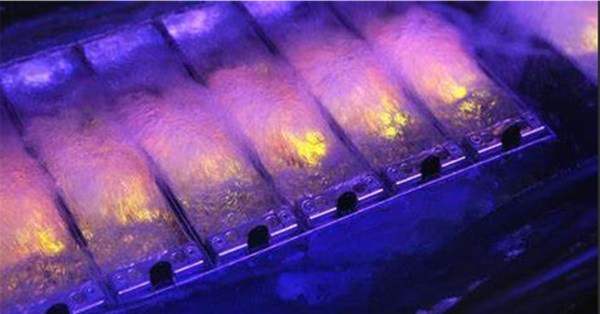
Demand is escalating for data centers to provide cooling solutions that keep pace with emerging technologies. These workloads require high-density server racks that call for liquid cooling to rack doors and chips—and in some cases, complete server immersion—to make sure they don’t overheat.
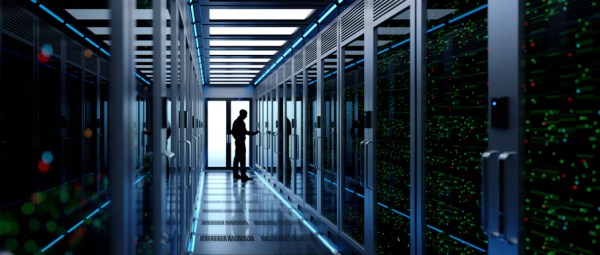
Discover state-of-the-art cooling technologies in data centers. Explore advanced air-based solutions like hot aisle/cold aisle containment, and variable speed fans. Dive into liquid-based options such as direct-to-chip cooling and immersion systems. Find out how data centers are increasing sustainability and reducing costs.

Explore the topic of green data centers and the future of sustainable data center infrastructure. Find out why it’s so important to implement green data centers. Learn the 7 key characteristics of sustainable data center infrastructure, Discover the 3 main challenges of implementing green data centers.
Discover the DataBank Difference today:
Hybrid infrastructure solutions with boundless edge reach and a human touch.
Tell us about your infrastructure requirements and how to reach you, and one of team members will be in touch shortly.
Can’t see the form? Click here.
Let us know which data center you'd like to visit and how to reach you, and one of team members will be in touch shortly.
Can’t see the form? Click here.
Enjoying our resource? Get the latest news and articles delivered straight to your inbox.
Can’t see the form? Click here.
Can’t see the form? Click here.