

Loading audio...
Carrier Hotels: The Connectivity Infrastructure You Didn’t Know You Needed
As enterprise infrastructure demands grow more complex, power density and operational reliability have moved to the top of the priority list. Yet what’s less discussed is the connectivity layer that can make or break performance at scale. This is where carrier hotels matter: a specialized class of data center facility whose connectivity capabilities go beyond what standard colocation can offer.
What makes a facility a carrier hotel comes down to who’s in it: telecommunications carriers, ISPs, and network operators, all with the specific goal of enabling network-to-network interconnection at scale. Organizations gain access to carrier choice, competitive pricing, and direct cloud reach that simply aren’t available in a standard colocation environment.
This article breaks down what carrier hotels are, how they work, and why they represent a meaningful upgrade over conventional colocation for enterprises with serious infrastructure requirements.
Carrier hotels emerged in the 1990s as the internet began its commercial expansion. Telecom providers needed a neutral, shared environment where they could exchange traffic with competing and complementary carriers without building redundant physical infrastructure across every major market. These facilities became the foundation of modern internet peering and transit.
Today, carrier hotels serve as the physical home for internet exchange points (IXPs), cloud on-ramps, and content delivery networks, creating a single location where networks, cloud providers, and content platforms can interconnect directly. That concentration reduces latency, eliminates unnecessary hops across third-party networks, and keeps traffic local when it doesn’t need to travel globally. The result is a faster, more resilient connectivity fabric that benefits every organization with a presence in or near that facility.
The concentration of carriers in a single location is what makes these facilities so powerful. Where a typical colocation site might offer access to a handful of network providers, a carrier hotel can host dozens — sometimes more than 100 — giving tenants an extraordinary range of connectivity options.
At the operational core of every carrier hotel is the meet-me room (MMR): a dedicated space where carriers physically cross-connect their infrastructure. MMRs enable fast, low-cost fiber connections between providers, which, for enterprises, translates into faster provisioning and more competitive pricing for the connectivity that powers cloud access, distributed workloads, and hybrid infrastructure.
The underlying infrastructure reflects those demands as well. Carrier hotels are built to support a high concentration of active networking equipment, with power and cooling infrastructure sized accordingly. Reliability standards are strict, and redundancy across power, cooling, and physical access is built in from the ground up.
Security and compliance requirements follow the same logic. Carrier hotels host infrastructure that is, in many cases, critical to regional and national communications networks. Access control, monitoring, and certifications are held to a higher standard as a result.
For enterprise IT teams, proximity to a carrier hotel, or presence within one, creates a measurable performance advantage. Latency-sensitive applications, including financial trading platforms, real-time communications, and AI inference workloads, perform better when the path between compute and network is as short as possible.
Carrier density also shifts negotiating leverage in the customer’s favor. When multiple providers compete for the same tenant in the same building, pricing becomes more transparent and procurement cycles shorten. Organizations can switch providers without a costly physical move, which changes the dynamic of every contract conversation.
Cloud connectivity is where carrier hotels deliver some of their most tangible value. Major hyperscalers, including AWS, Microsoft Azure, and Google Cloud, establish direct connect and private peering access within carrier hotel environments. That gives enterprises a private, low-latency path to cloud resources that bypasses the public internet entirely, strengthening both performance and security posture.
Not all carrier hotels are created equal. A facility with 20 carriers offers meaningfully different value than one with 100. Ecosystem depth, measured by the number and variety of networks, cloud providers, and content delivery networks present in a facility, is one of the most important criteria when evaluating interconnection options.
Geographic positioning matters just as much. Carrier hotels in major metro markets typically sit at the crossroads of regional and long-haul fiber routes, giving tenants access to connectivity that spans continents, not just cities. For organizations with global operations, that reach is essential.
For enterprises navigating distributed infrastructure, hybrid cloud, and AI-driven workloads, the question isn’t just whether a data center can house the equipment. It’s whether it can connect it the way the business requires.
As enterprise workloads grow more distributed, spanning on-premises infrastructure, multiple cloud environments, and edge deployments, the carrier hotel shifts from a niche consideration to a strategic anchor. The ability to connect everything an organization runs, at the speed and reliability the business demands, starts with being in the right place.
Carrier hotels represent a distinct class of infrastructure, and organizations that understand that distinction make better decisions about where they place their most demanding workloads. Connectivity depth, carrier choice, cloud reach, and geographic positioning all compound over time into real performance and cost advantages.
For enterprises navigating distributed infrastructure, hybrid cloud, and AI-driven workloads, the question isn’t just whether a data center can house the equipment. It’s whether it can connect it the way the business requires.
Looking to learn more about carrier hotels and the connectivity strategies behind high-performance enterprise infrastructure? Visit DataBank Digest for expert perspectives on the infrastructure decisions that matter most.

Sign Up For Our Resource Library
Enjoying our resource? Get the latest news and articles delivered straight to your inbox.
Can’t see the form? Click here.
Share Article
Popular Categories

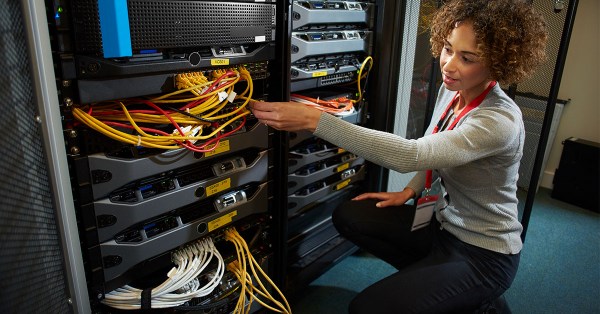
Data center interconnections deliver better performance, security, and cost savings. Discover how DataBank's Interconnection Marketplace makes finding connectivity providers much easier.
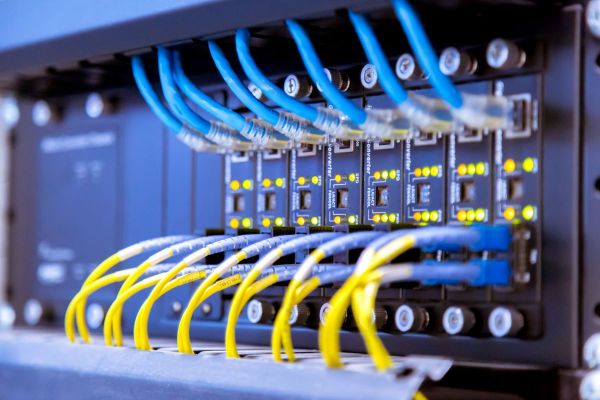
Just what are interconnections? Improve your understanding of interconnection in colocation data centers. Discover the five key interconnection approaches, how they work, and real-world examples to help you choose the best strategy for your business.
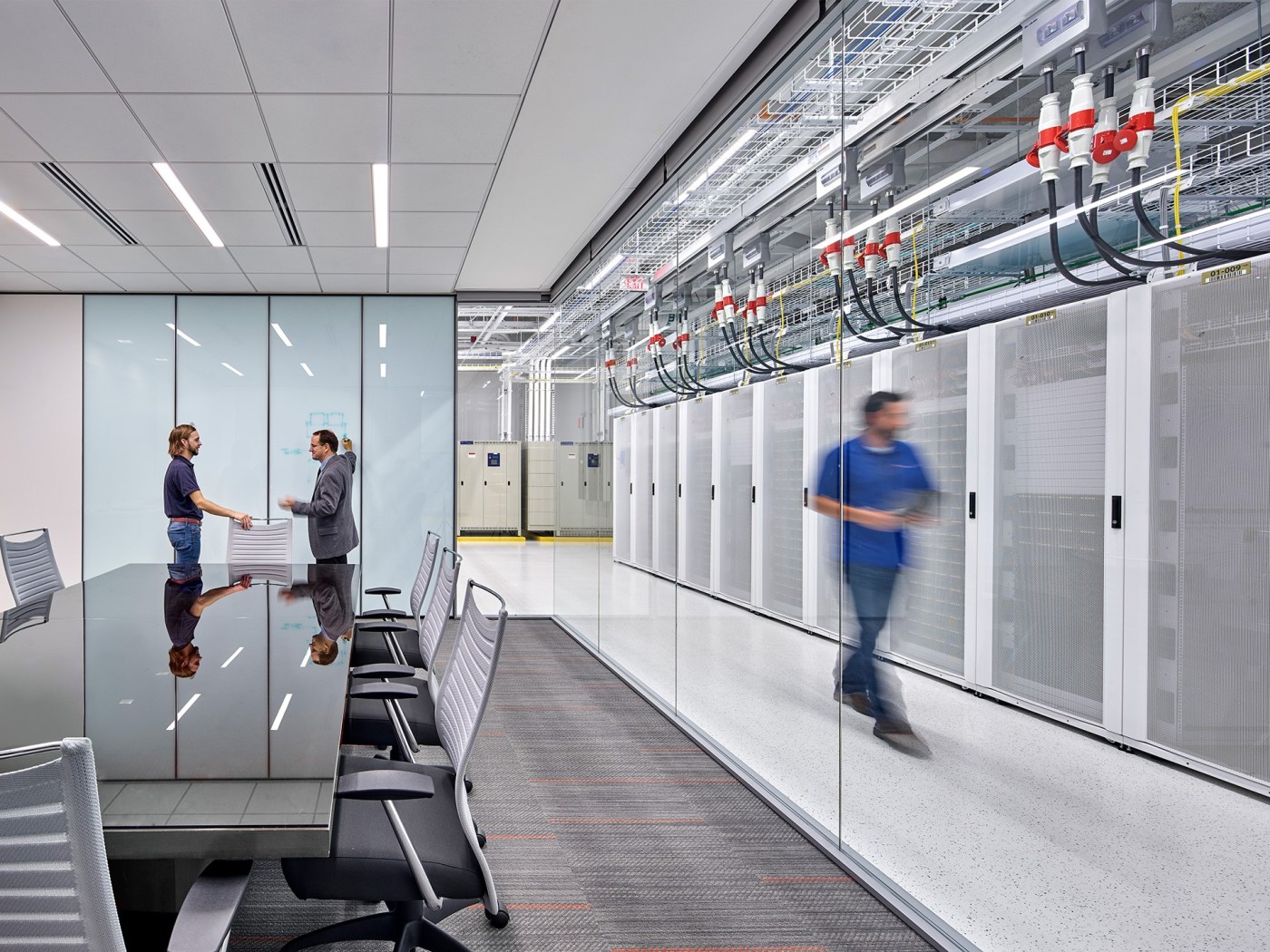
Most providers focus on interconnection features. The real differentiator is customer experience: understanding requirements, eliminating friction, and delivering service excellence.
Discover the DataBank Difference today:
Hybrid infrastructure solutions with boundless edge reach and a human touch.
Tell us about your infrastructure requirements and how to reach you, and one of our team members will be in touch shortly.
Can’t see the form? Click here.
Let us know which data center you'd like to visit and how to reach you, and one of our team members will be in touch shortly.
Please understand that we might not be able to accommodate every request for a physical data center tour.
Please allow a minimum of 24-48 hours for a response.
Can’t see the form? Click here.
Enjoying our resource? Get the latest news and articles delivered straight to your inbox.
Can’t see the form? Click here.
Can’t see the form? Click here.