

Today, enterprise AI deployments are reshaping network demands faster than traditional infrastructure management can adapt.
Consider the scale: Machine learning models require massive datasets to move quickly between storage, compute, and processing nodes, often saturating network links for hours or days during training runs. Additionally, inference workloads add another layer of complexity, demanding microsecond-level latency to deliver real-time results.
As organizations scale from pilot projects to production AI, these demands multiply across hundreds or thousands of interconnected systems, creating network complexity that manual management simply can’t handle.
For data center providers, this creates a difficult equation. Customers expect their AI workloads to run at peak performance with minimal latency and zero downtime. However, delivering that level of service means managing exponentially more network traffic, monitoring thousands of potential failure points, and responding to issues before they can affect workloads.
Yet traditional network operations approaches such as reactive monitoring, manual optimization, and scheduled maintenance windows simply can’t scale to meet these demands without adding substantial cost and operational overhead.
The answer lies in applying AI to the very infrastructure that supports AI workloads. By using machine learning to monitor network health, predict bottlenecks, and automatically adjust configurations, data center operators can deliver the performance AI customers require while maintaining operational efficiency. This approach rests on three fundamental capabilities: observability, optimization, and automation.
These three pillars work together to transform how data centers manage connectivity infrastructure. Observability provides deep visibility into network performance and behavior. Optimization uses that visibility to continuously improve how the network operates. Automation reduces manual intervention while enabling faster, more consistent responses to changing conditions. Together, they allow operators to maintain the performance and reliability AI applications require at scale.
Here’s a closer look at how each capability works in practice.
Traditional network monitoring provides basic metrics like bandwidth utilization and uptime percentages. Yet AI workloads create traffic patterns that shift dynamically based on training schedules, data pipeline flows, and inference request volumes. Understanding network health requires deep visibility into these patterns.
AI-powered observability platforms process massive amounts of network telemetry data in real time, detecting anomalies before they become problems. Machine learning models can detect subtle patterns that indicate a switch is beginning to fail, a fiber connection is degrading, or traffic is routing suboptimally. This level of insight allows operators to understand not just what is happening on the network, but why it’s happening.
The result is a shift from reactive troubleshooting to proactive management. Instead of waiting for customers to report performance issues, operators can see problems developing and address them before they impact workloads.
This visibility becomes especially critical as AI deployments scale and network complexity grows beyond what manual monitoring can effectively track. Strategic interconnection decisions that reduce latency and improve path diversity make this observability even more valuable, allowing operators to optimize performance across increasingly complex network topologies.
Network optimization has traditionally relied on periodic analysis and manual configuration changes. Engineers review performance data, identify bottlenecks, and adjust routing or bandwidth allocation during maintenance windows. This approach works for relatively stable workloads but struggles with the dynamic demands of AI infrastructure.
AI-powered optimization operates continuously, analyzing traffic patterns and automatically adjusting network configurations to improve performance. Machine learning algorithms can predict when certain network paths will become congested and proactively reroute traffic. The right connectivity architecture makes this optimization possible by providing the diverse paths and direct connections AI workloads require. They can allocate bandwidth dynamically based on workload priority, ensuring critical AI training jobs get the resources they need while maintaining service levels for other applications.
This continuous optimization delivers measurable improvements in network efficiency and application performance. Latency drops, throughput increases, and resource utilization improves without requiring constant manual intervention.
Network engineers spend significant time on routine tasks like responding to alerts, updating configurations, and troubleshooting connectivity issues. As network complexity grows with AI workload demands, these manual processes become bottlenecks that limit how quickly operators can respond to problems or scale infrastructure.
AI-powered automation handles many of these routine tasks without human intervention. Systems can automatically remediate common issues, adjust configurations based on changing conditions, and even predict maintenance needs before equipment fails. This reduces the operational burden on engineering teams while improving response times from hours or days to minutes or seconds.
Automation also brings consistency to network operations. Configurations are applied uniformly across infrastructure, reducing the risk of human error. Engineers can focus on strategic initiatives rather than firefighting daily issues, improving both operational efficiency and service quality.
Together, these three capabilities create a network management approach that matches the scale and complexity of modern AI workloads. Observability reveals what’s happening across the infrastructure, optimization ensures it operates efficiently, and automation enables rapid response without manual intervention.
As AI workloads continue to grow in scale and complexity, the network infrastructure supporting them must evolve beyond traditional management approaches. AI-powered network operations provide the observability, optimization, and automation capabilities needed to deliver the performance and reliability enterprise AI applications demand.
By applying intelligence to the network layer itself, data center operators can meet customer expectations while maintaining operational efficiency at scale. The result is infrastructure that doesn’t just support AI workloads but adapts and improves alongside them.
Want to stay ahead of infrastructure technology trends like these? Check out DataBank Digest for more insights on data center industry trends and infrastructure strategy.

Sign Up For Our Resource Library
Enjoying our resource? Get the latest news and articles delivered straight to your inbox.
Can’t see the form? Click here.
About the Author

Share Article
Popular Categories

Without robust connectivity architecture, even the most powerful hardware sits isolated and underperforming. Discover why connectivity has become the primary driver of business outcomes in the AI era.
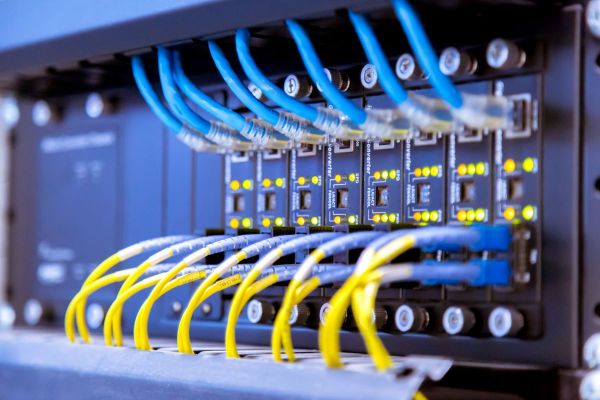
Most providers focus on interconnection features. The real differentiator is customer experience: understanding requirements, eliminating friction, and delivering service excellence.
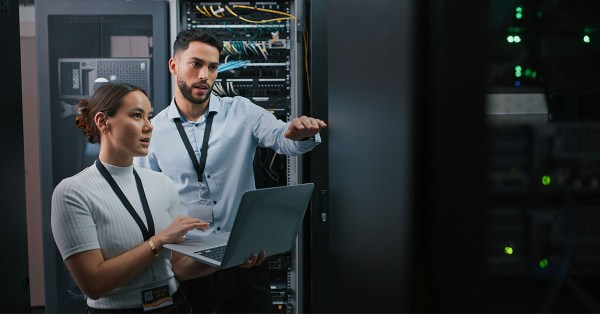
As AI continues to play a role in enhancing AI-driven networks in the data centers, observability can help deliver a wide range of important benefits.
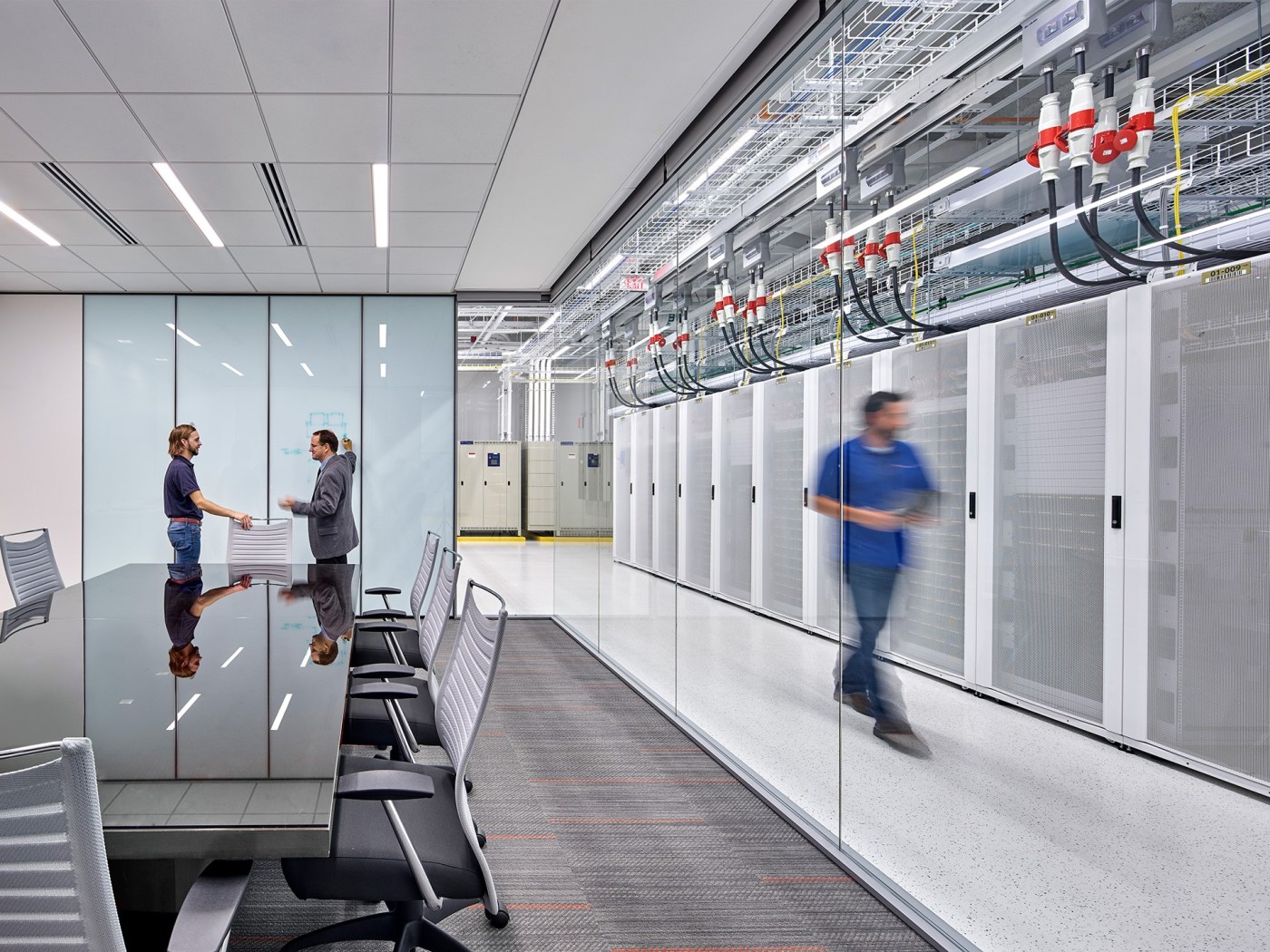
Discover the DataBank Difference today:
Hybrid infrastructure solutions with boundless edge reach and a human touch.
Tell us about your infrastructure requirements and how to reach you, and one of our team members will be in touch shortly.
Can’t see the form? Click here.
Let us know which data center you'd like to visit and how to reach you, and one of our team members will be in touch shortly.
Please understand that we might not be able to accommodate every request for a physical data center tour.
Please allow a minimum of 24-48 hours for a response.
Can’t see the form? Click here.
Enjoying our resource? Get the latest news and articles delivered straight to your inbox.
Can’t see the form? Click here.
Can’t see the form? Click here.