

There’s a lot of talk these days about AI, cloud growth, and the future of digital infrastructure. The reality beneath all of it is something much more physical: data centers. Keeping those data centers running requires a workforce of skilled tradespeople and technicians who rarely make the headlines.
That’s why I believe we’re in the middle of a blue-collar gold rush.
As the data center industry grows, so does the demand for electricians, HVAC technicians, mechanics, facilities engineers, controls specialists, and other critical operations talent. In many of our high-growth markets, that demand is outpacing supply — and it’s changing the way we think about recruiting.
The reality is, this talent is in high demand everywhere. We’re not just competing with other data center companies. We’re competing with manufacturing, energy, semiconductor fabrication, telecom, and other industries attempting to hire from the same skilled labor pool.
The reality is, this talent is in high demand everywhere. According to a 2025 Deloitte survey, 63% of data center executives cite a shortage of skilled labor as their single biggest obstacle to securing talent. We’re not just competing with other data center companies. We’re competing with manufacturing, energy, semiconductor fabrication, telecom, and other industries attempting to hire from the same skilled labor pool.
So how are we responding?
First, we’ve had to widen the lens on where talent comes from. Great data center talent doesn’t always come from data centers. Some of the best candidates have transferable experience from adjacent industries — including military service — and bring the technical skills, discipline, and problem-solving ability needed to succeed in mission-critical environments.
Second, we’re spending more time building relationships before roles open. In fast-growth markets, reactive hiring isn’t enough. We’re investing in talent pipelines, workforce partnerships, and stronger connections with trade schools, technical programs, and local communities.
What does that look like in practice? In Atlanta, we opened one of our data centers on a Saturday to nearly 20 young people for a career exploration event focused on data center operations and the trades.
Our Critical Facility Manager there made a direct case for the economics: A student who joins the International Brotherhood of Electrical Workers (IBEW), completes trade training, and enters the workforce in four years can come out earning close to six figures, often with better long-term stability than a peer who spent the same four years accumulating college debt.
In Culpeper, Virginia, we partnered with the local career and technical education school, which happens to sit directly across the street from our data centers currently under construction. Over two days, 40 electrical students experienced the full arc of a data center career — from their own lab model of a data hall, to a live construction site, to a fully operational facility in Ashburn — hearing directly from construction managers and technicians about how their training maps to real careers. That kind of experience doesn’t come from a job posting.
Ultimately, these programs are a long-term investment in the workforce this industry will require.
The scale of what’s coming makes this more than a long-term investment. It’s an immediate operational priority. DataBank’s construction leadership has noted that peak crew sizes on major data center builds have grown from roughly 750 workers to 4,000 or more on a single campus. The second half of 2026 into 2027 will see massive capacity activation across the country, and the industry simply doesn’t have enough qualified workers to meet that demand.
The operators who secure skilled labor now, through early contractor commitments, trade school partnerships, and creative workforce strategies, will have significant advantages over those waiting until projects break ground.
Just as importantly, we’re focused on telling a better story about these careers.
For too long, skilled trades have been overlooked in conversations about the future of work. These are high-impact, well-paying, highly technical roles with real long-term opportunity. In many ways, they are some of the most future-proof careers out there.
What’s happening in data centers is bigger than a hiring challenge. It’s a shift in how we value skilled labor and infrastructure talent. The companies that recognize that — and act on it — will be in the best position to grow.
Because at the end of the day, the future of digital infrastructure depends on the people who build it, power it, and keep it running.

Sign Up For Our Resource Library
Enjoying our resource? Get the latest news and articles delivered straight to your inbox.
Can’t see the form? Click here.
About the Author

Share Article
Popular Categories

The technology hiring market remains challenging despite economic uncertainty. Here's what actually works for finding, hiring, and keeping technical talent in 2026.
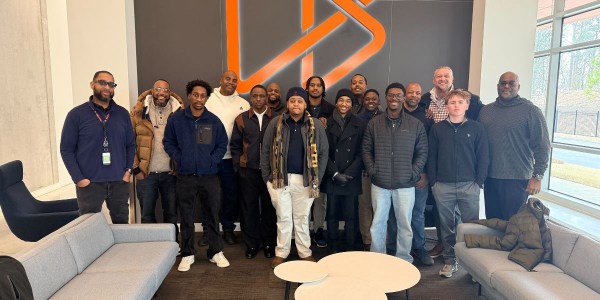
DataBank Atlanta hosted a career exploration event to show young people the diverse, high-paying opportunities available in the data center industry beyond traditional college paths.
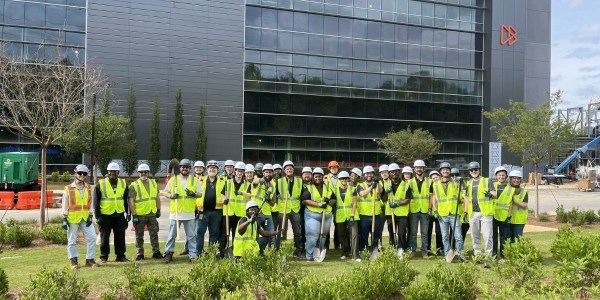
When construction on our Atlanta data center campus turned up a rare threatened wildflower, DataBank chose to act, sparking an environmental partnership that continues to grow today.
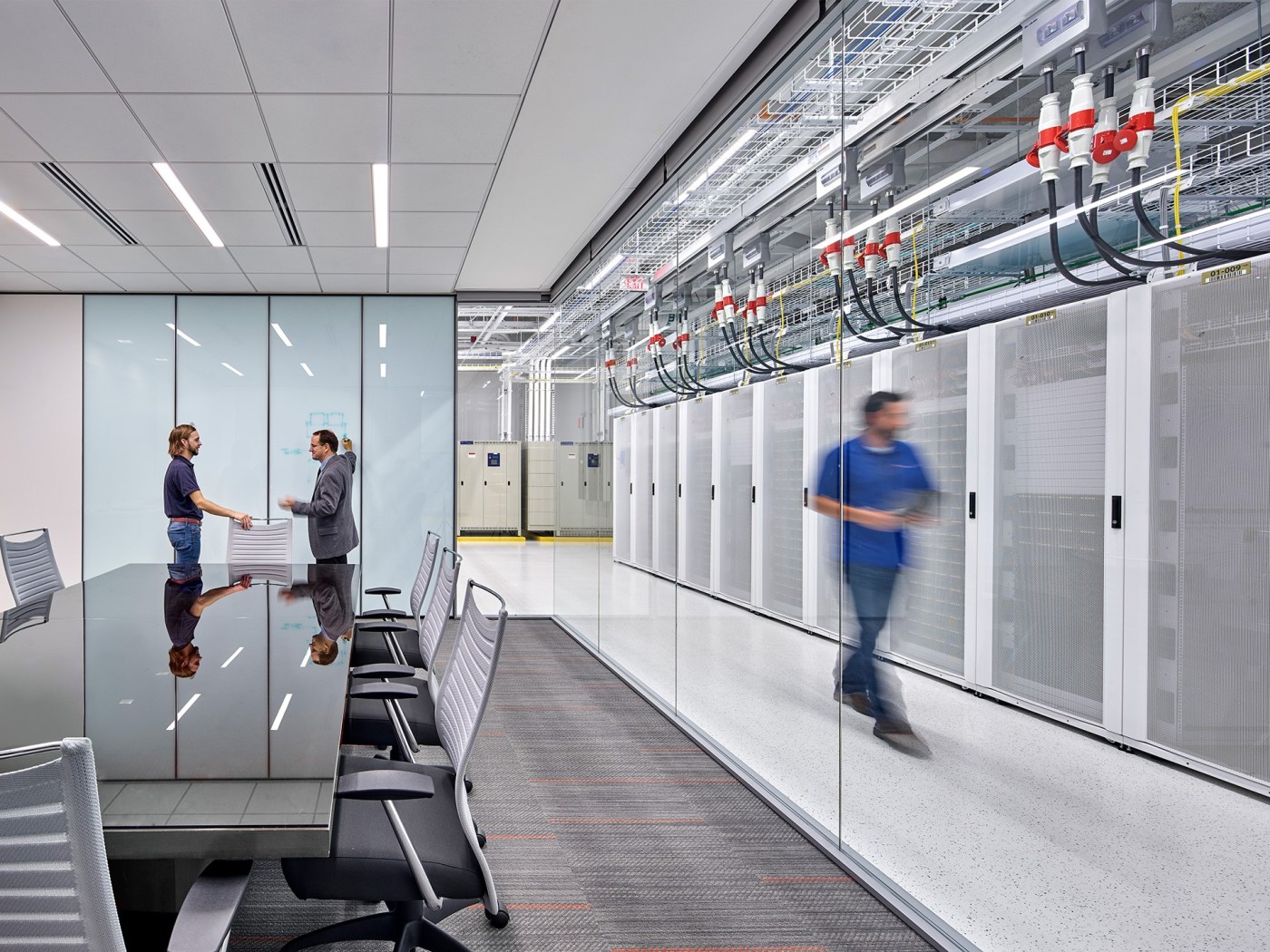
Discover the DataBank Difference today:
Hybrid infrastructure solutions with boundless edge reach and a human touch.
Tell us about your infrastructure requirements and how to reach you, and one of our team members will be in touch shortly.
Can’t see the form? Click here.
Let us know which data center you'd like to visit and how to reach you, and one of our team members will be in touch shortly.
Please understand that we might not be able to accommodate every request for a physical data center tour.
Please allow a minimum of 24-48 hours for a response.
Can’t see the form? Click here.
Enjoying our resource? Get the latest news and articles delivered straight to your inbox.
Can’t see the form? Click here.
Can’t see the form? Click here.